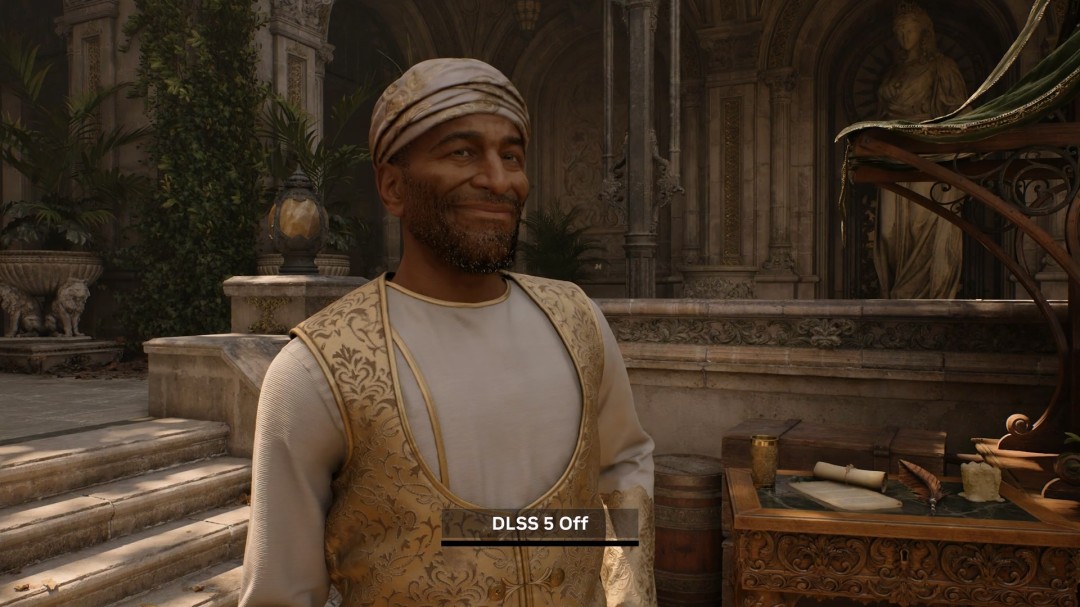
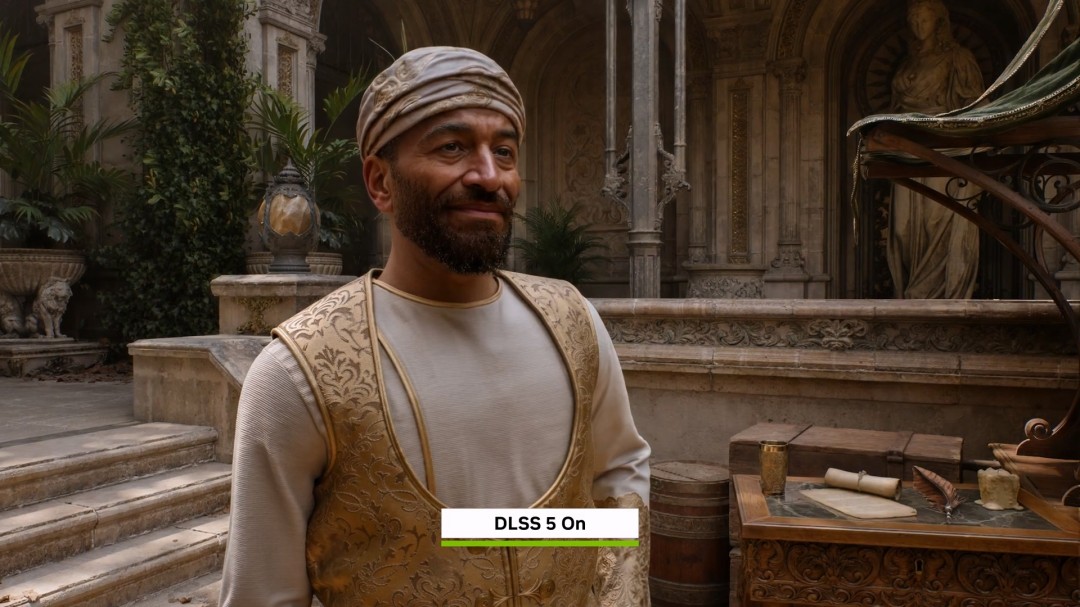
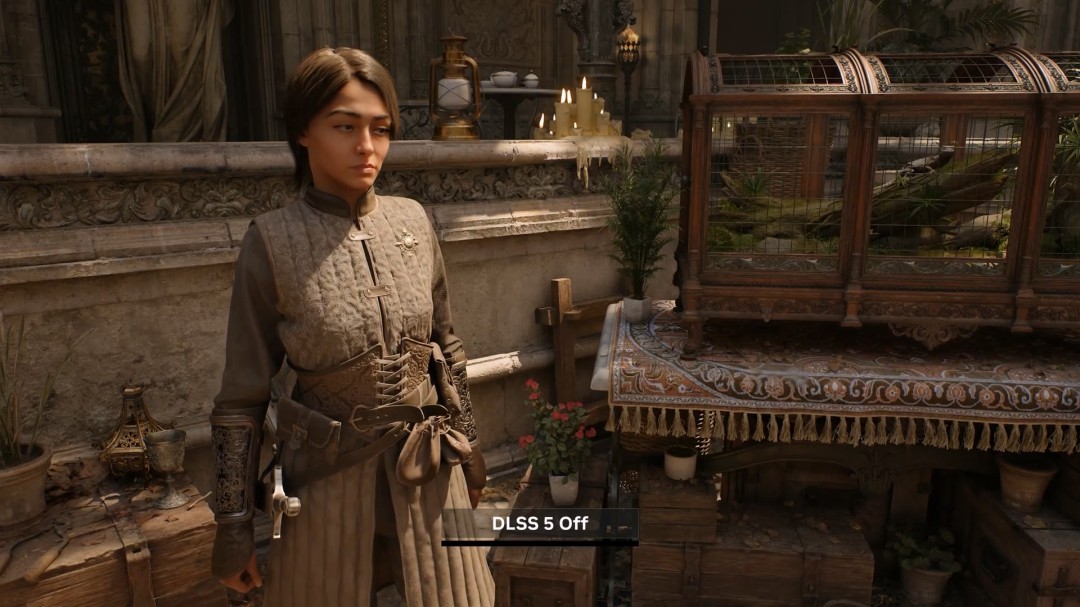
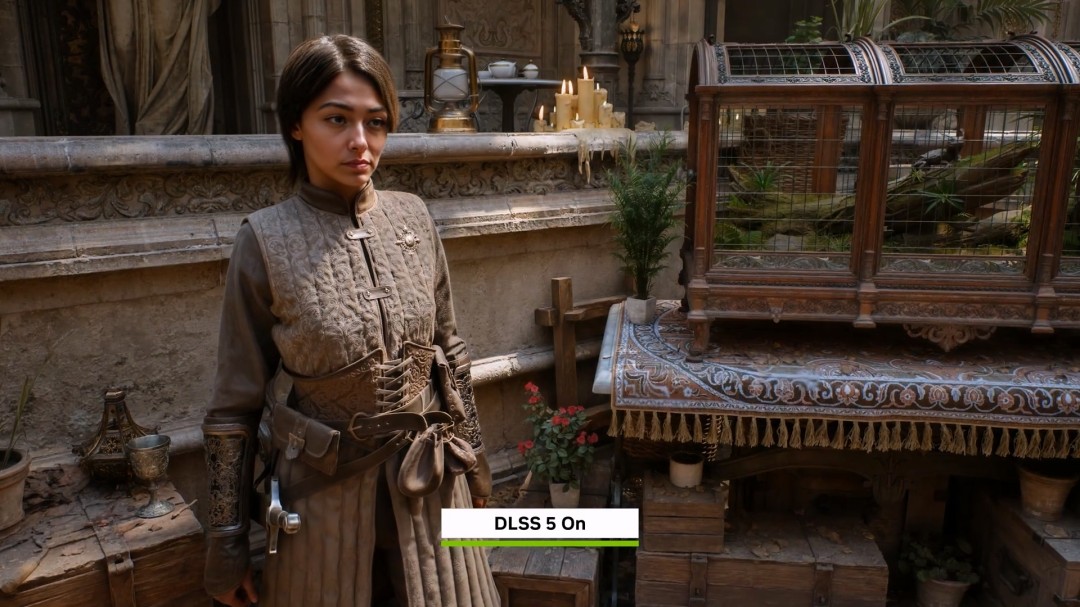
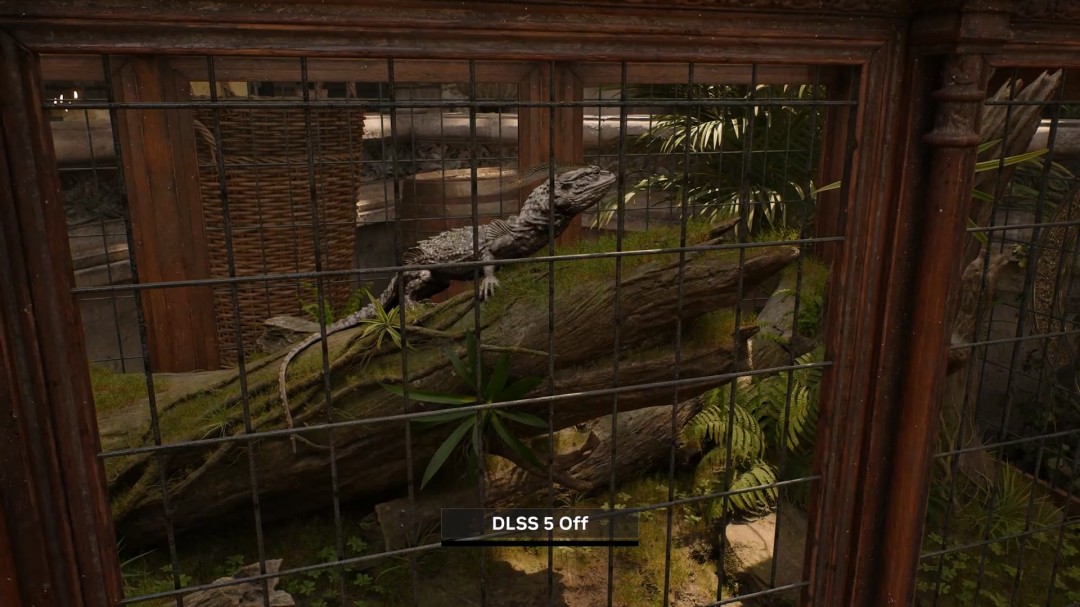
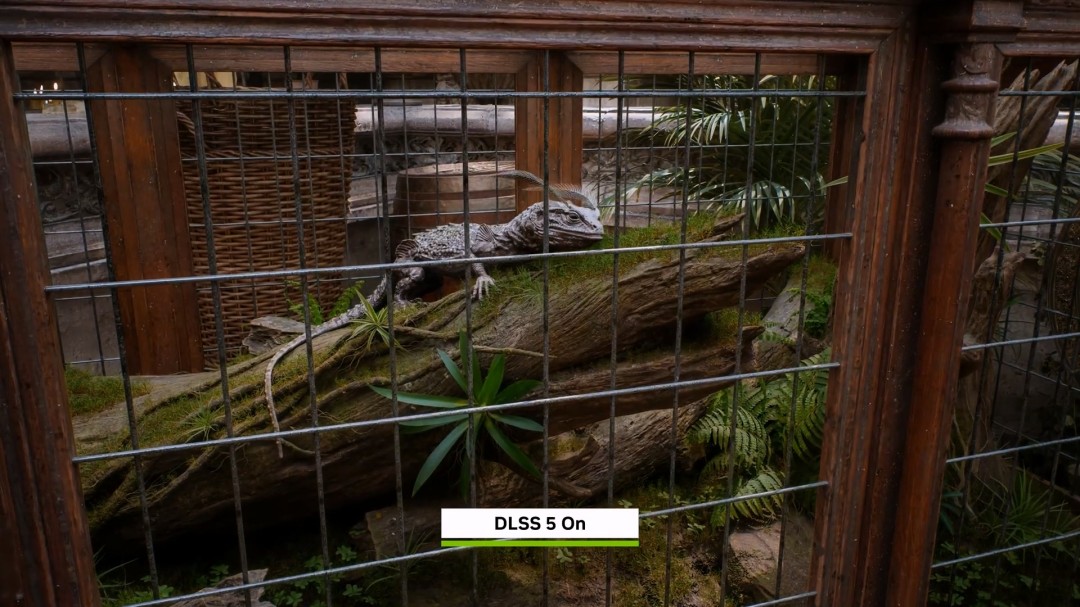
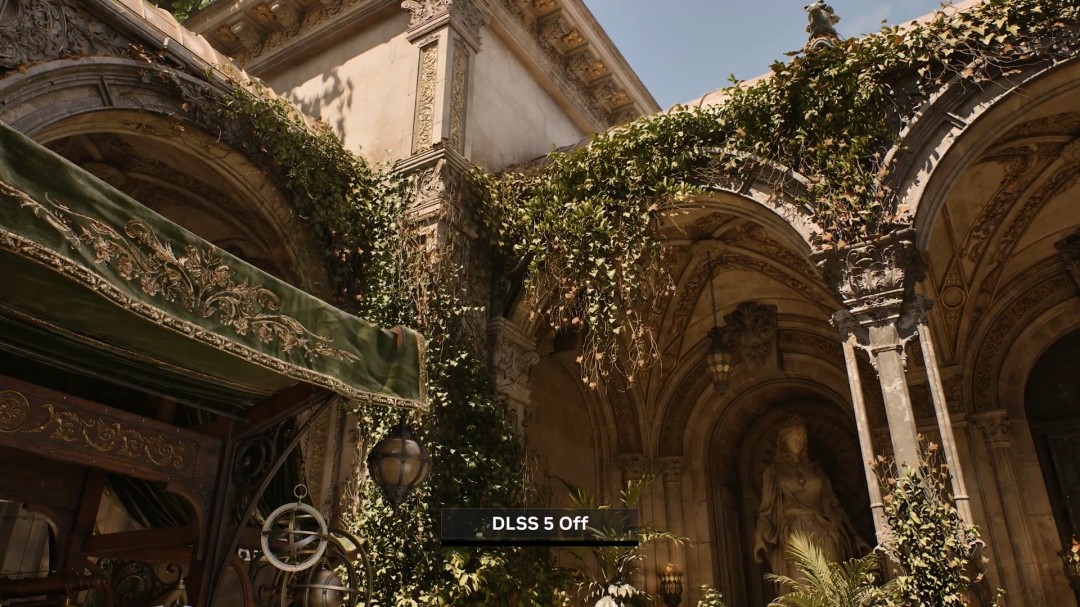
Today, NVIDIA suddenly launched a shock bomb: DLSS 5. This groundbreaking new technology uses neural rendering technology to achieve unprecedented visual fidelity improvements and is scheduled to be launched this fall. Although everyone was shocked by the launch, some people raised questions based on comparisons, because after enabling DLSS 5, the scenes presented may damage the original author's artistic vision.
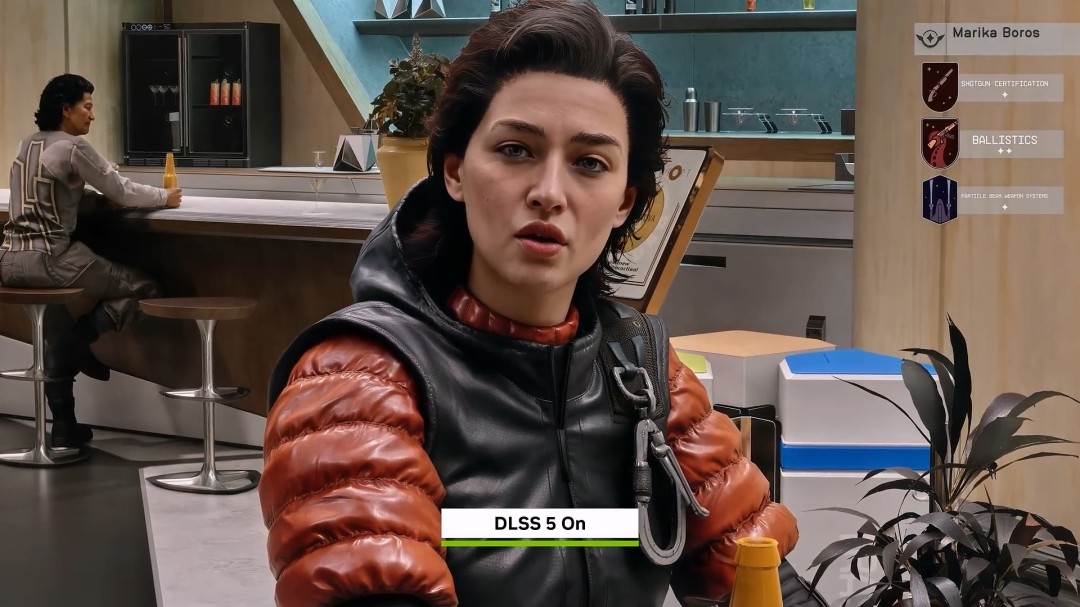
In this regard, NVIDIA has made it clear that DLSS 5 will fully ensure that the image quality of scenes presented using DLSS 5 can faithfully represent the artist's intention in the following two ways:
Input color and motion vectors for every frame in the game into the model, and anchor the output to the source 3D content
By providing developers with granular controls such as intensity and color grading, artists can use these controls to adjust blending, contrast, saturation, and gamma, and decide where and how enhancements are applied to maintain a game's unique visuals. Developers can also mask specific objects or areas so that they do not participate in enhancement adjustments.
The NVIDIA GeForce team also shared a FAQ that answers some of the most frequently asked questions about DLSS 5.


First, although DLSS 5 will be launched this fall, attendees at GTC 2026 will have the opportunity to experience the technology early.
Does DLSS 5 require two GPUs to run?
The early version currently on display runs on two RTX 5090 GPUs. One RTX 5090 is used for rendering games, and the other is dedicated to running DLSS 5 models. That doesn't mean you need two GPUs like the RTX 5090 to run games with DLSS 5, though.
DLSS 5 is still in the early stages of development, but Nvidia confirmed that the first version will be optimized for a single GPU. Given that the RTX 5090 will be the fastest GPU this year, all RTX 5090 users are relieved to hear this news.
Technical support and integration:
DLSS 5 does an excellent job of improving lighting, shadows and reflections, whether on characters, objects or environments. But at the same time, this technology is not intended to replace ray tracing or path tracing technology, but rather complement each other. DLSS 5 will also support technologies such as super-resolution, frame generation, multi-frame generation and light reconstruction.
What are the main advantages of DLSS 5?
DLSS 5 has the following significant advantages:
Cinematic Lighting: Complex effects such as rim lighting, subsurface scattering and contact shadows for realistic skin are recreated with high fidelity.
Material Depth: Enhances properties like roughness in PBR and adds microscopic realism to complex objects like eyes and hair.
Temporal consistency: Provides stable image quality from frame to frame, consistent with the underlying game content.
Real-time performance: Deliver realistic enhancements up to 4K resolution while maintaining a smooth, interactive gaming experience.
Controllability: Allows game developers to adjust intensity, color, and masking to determine where and how enhancements are applied, maintaining the unique aesthetic of their games.
Developers will also find it relatively easy to integrate DLSS 5 into their games, as it uses a similar approach to DLSS frame generation, and even better, the NVIDIA Streamline SDK makes this even easier, enabling DLSS 5 in a variety of games that already support DLSS technology.
Nvidia has not announced the minimum configuration requirements for DLSS 5.
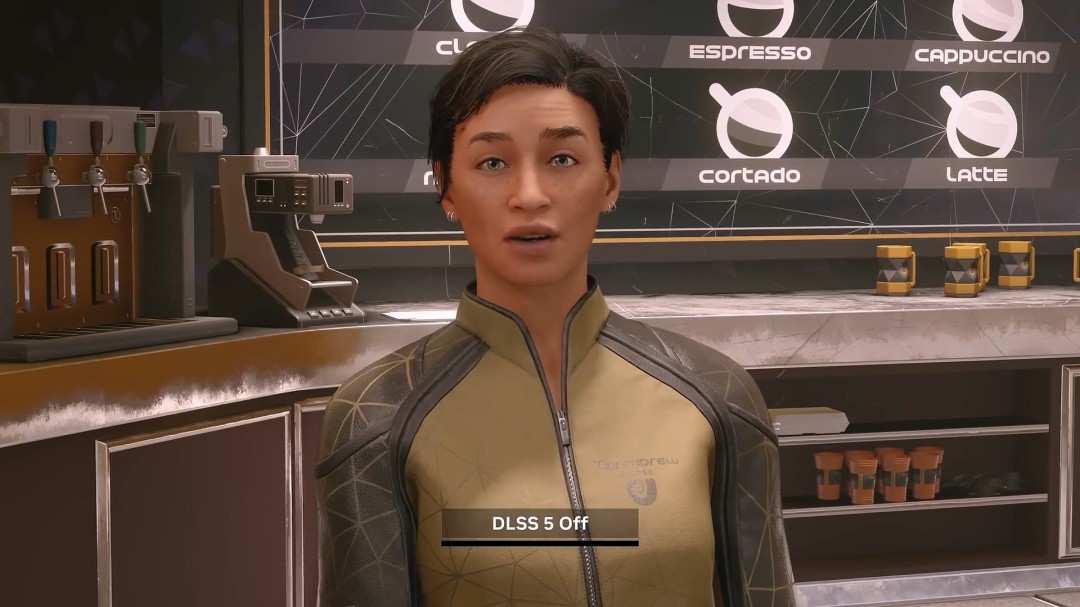
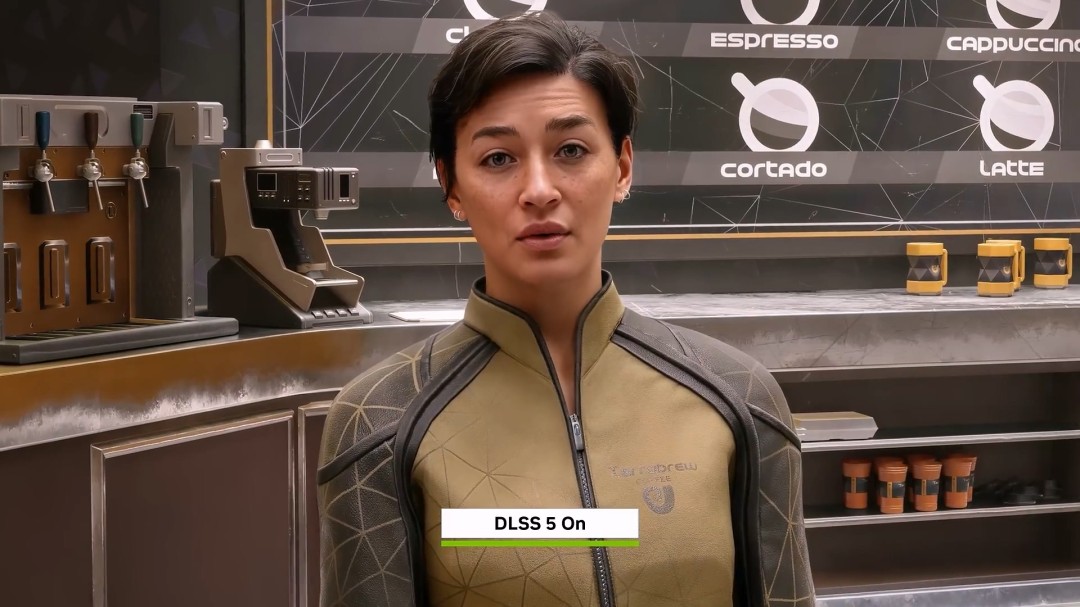
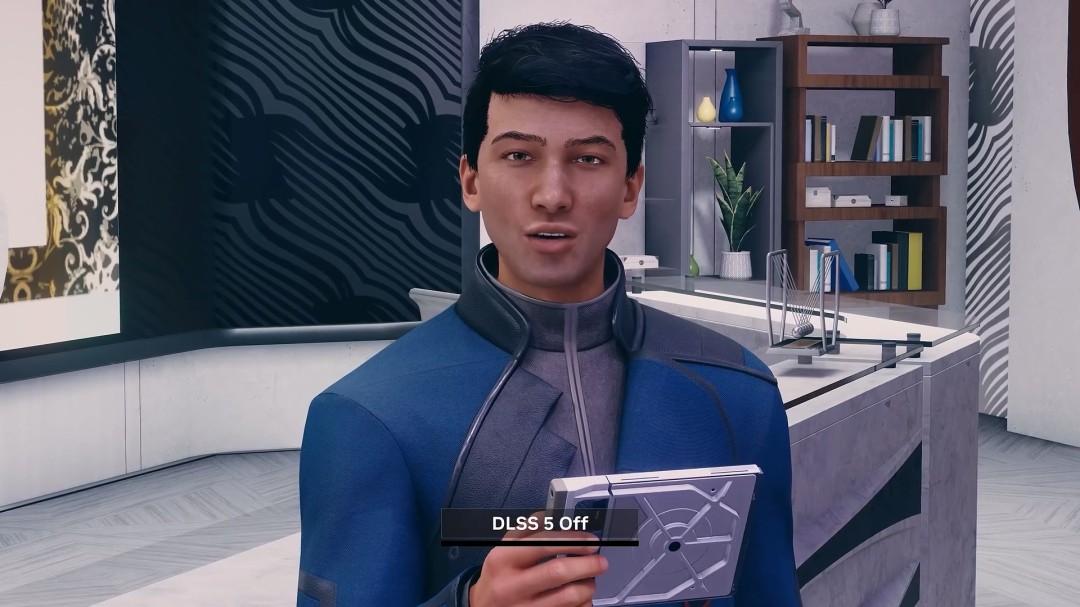
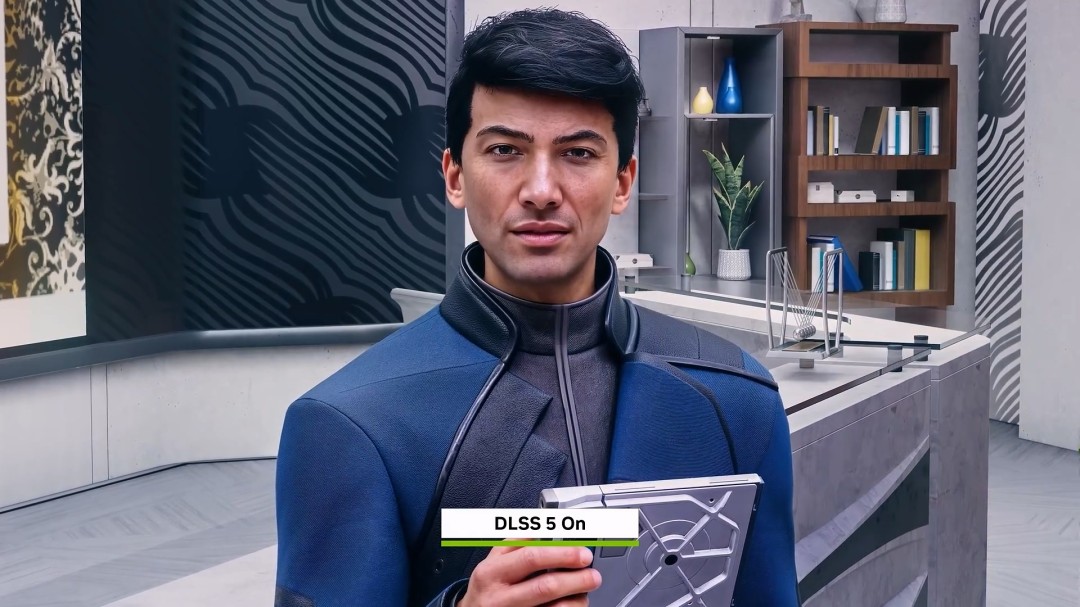
Comparison before and after DLSS is turned on:
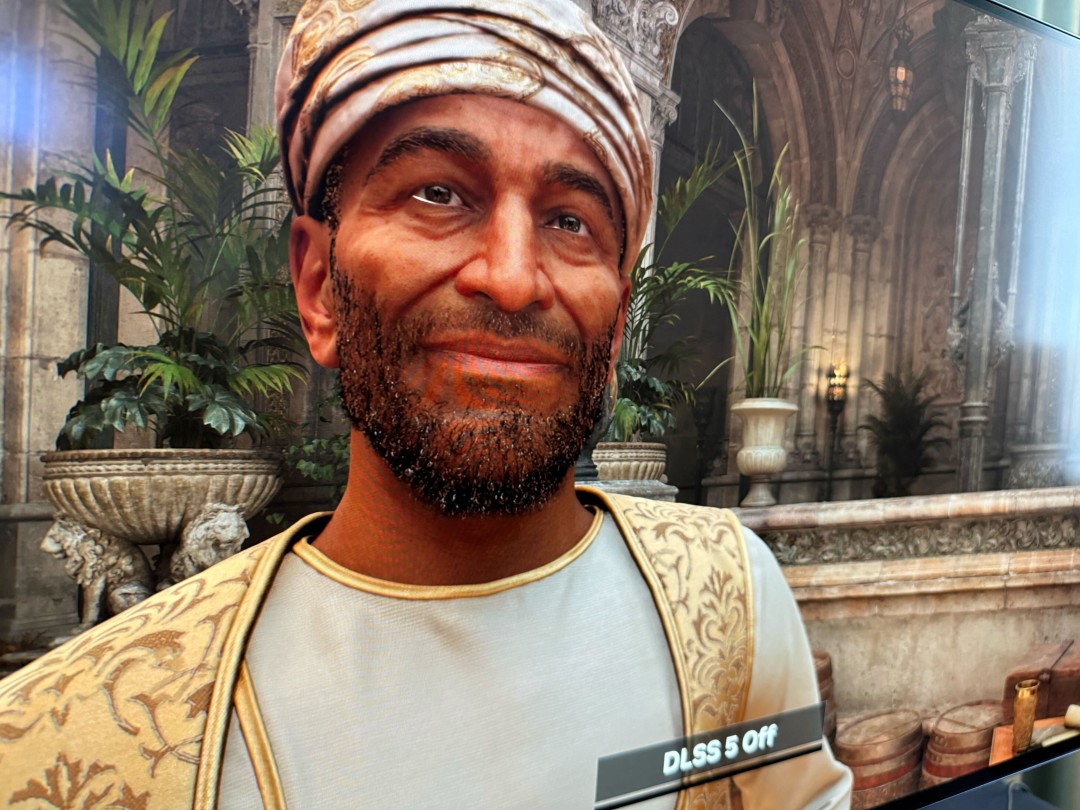



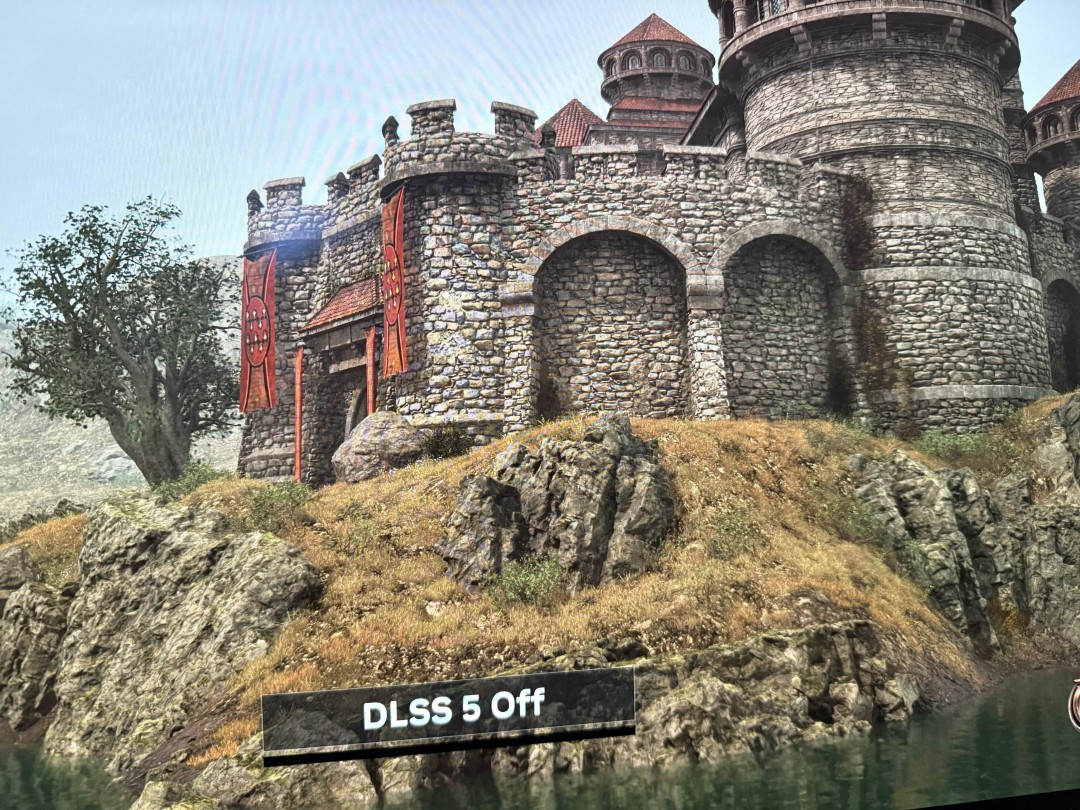
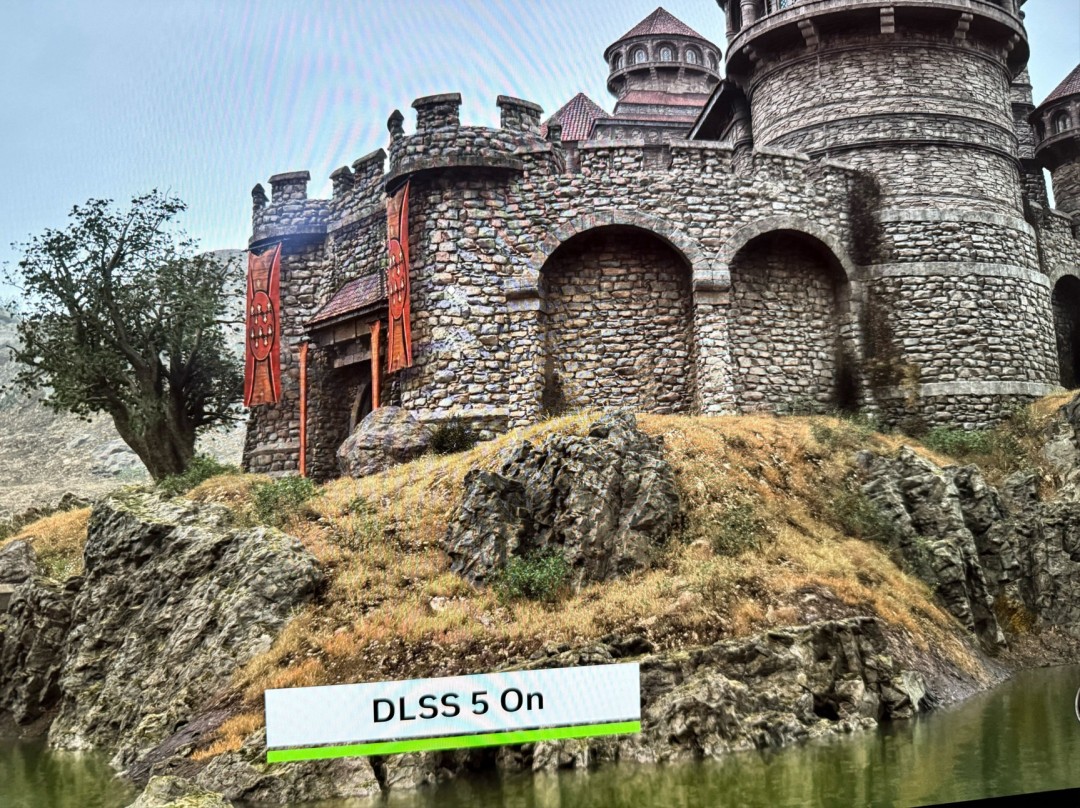
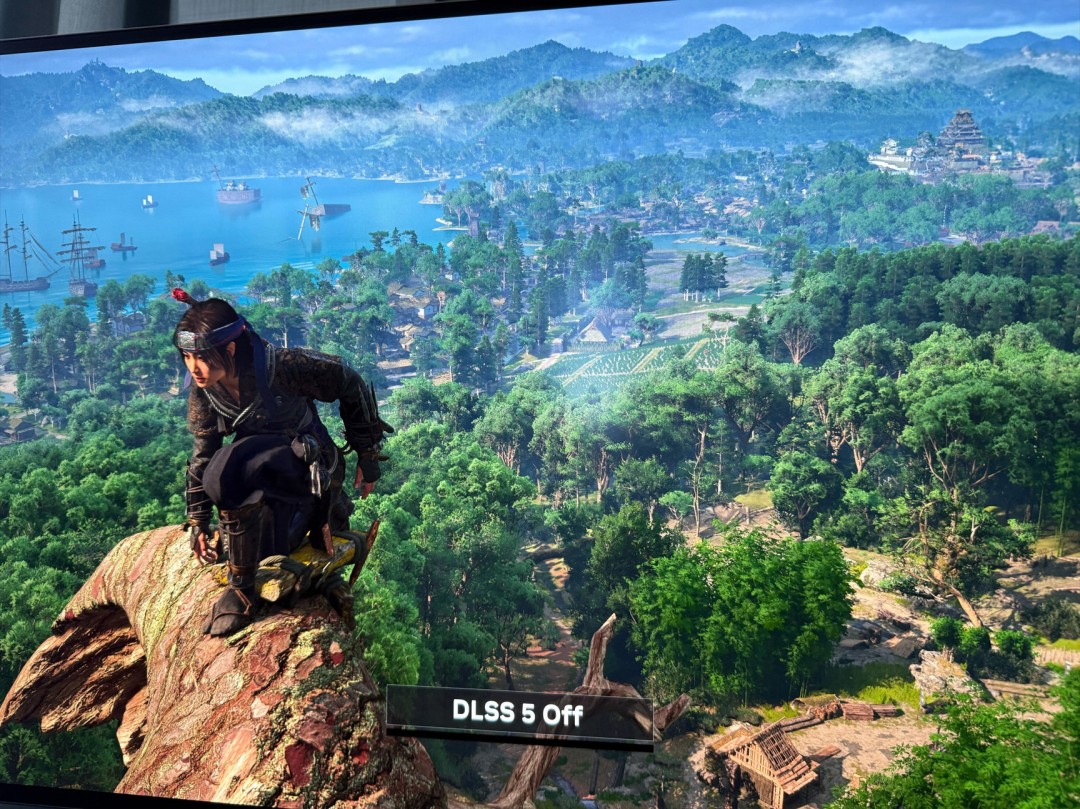
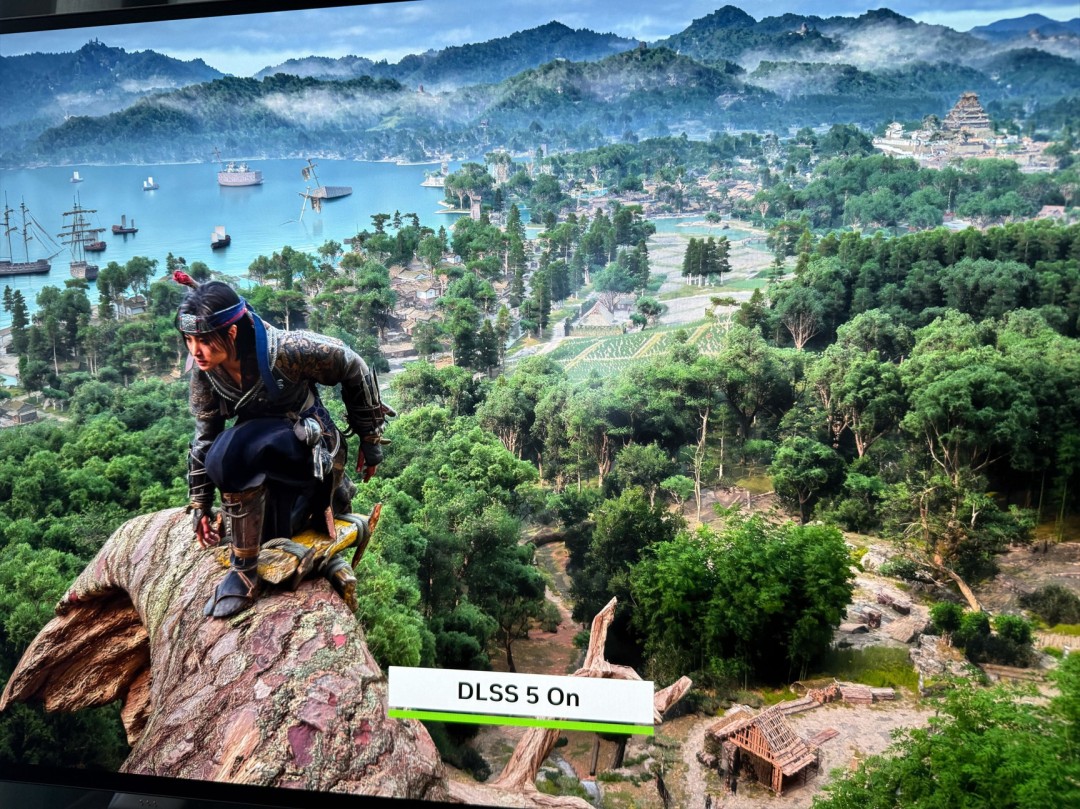
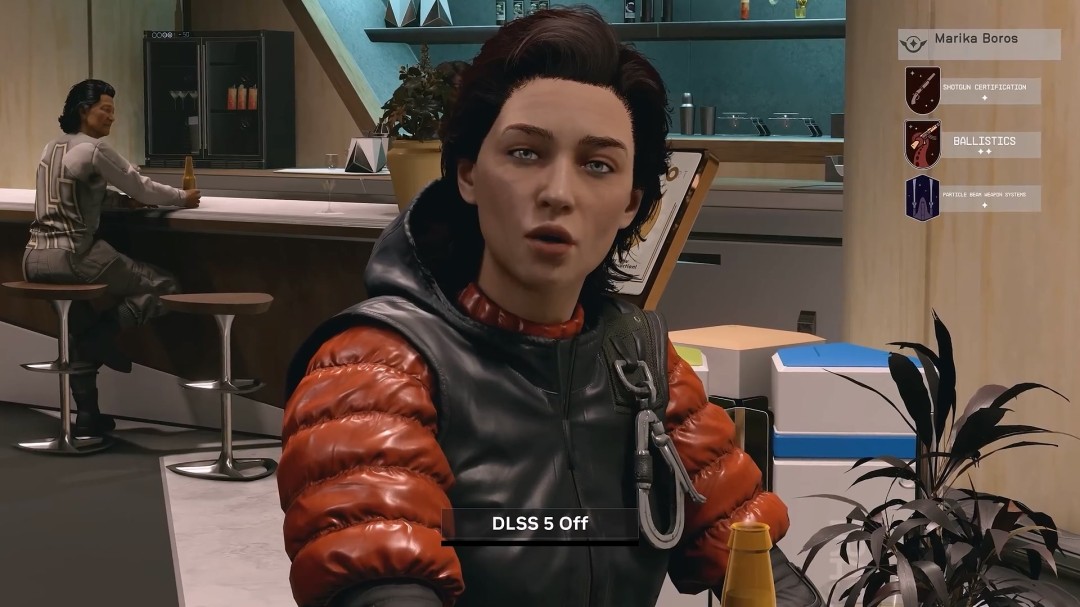
"Starry Sky" DLSS 5 display:
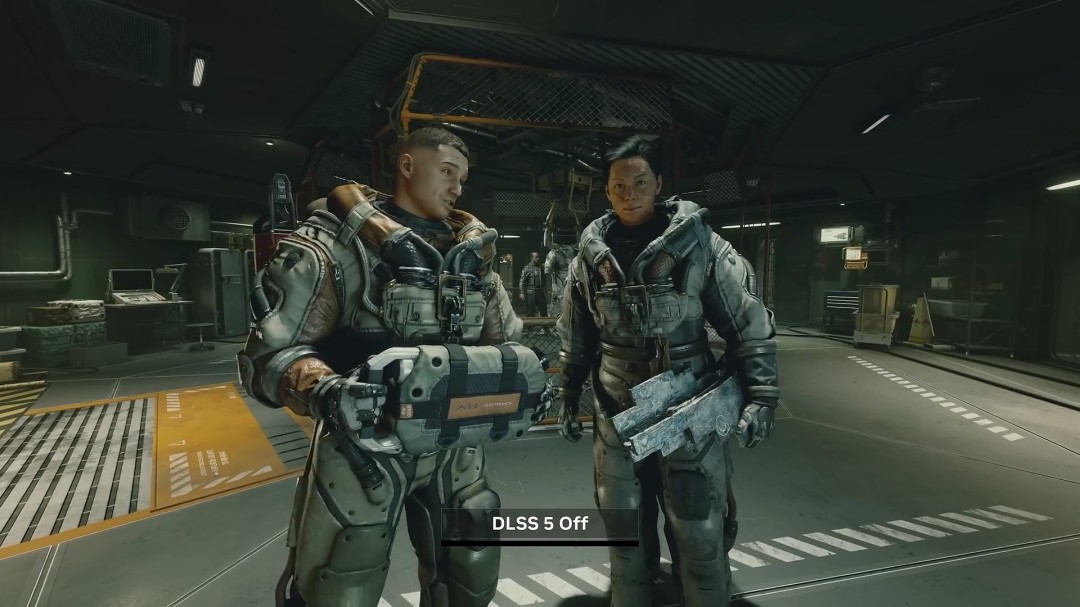
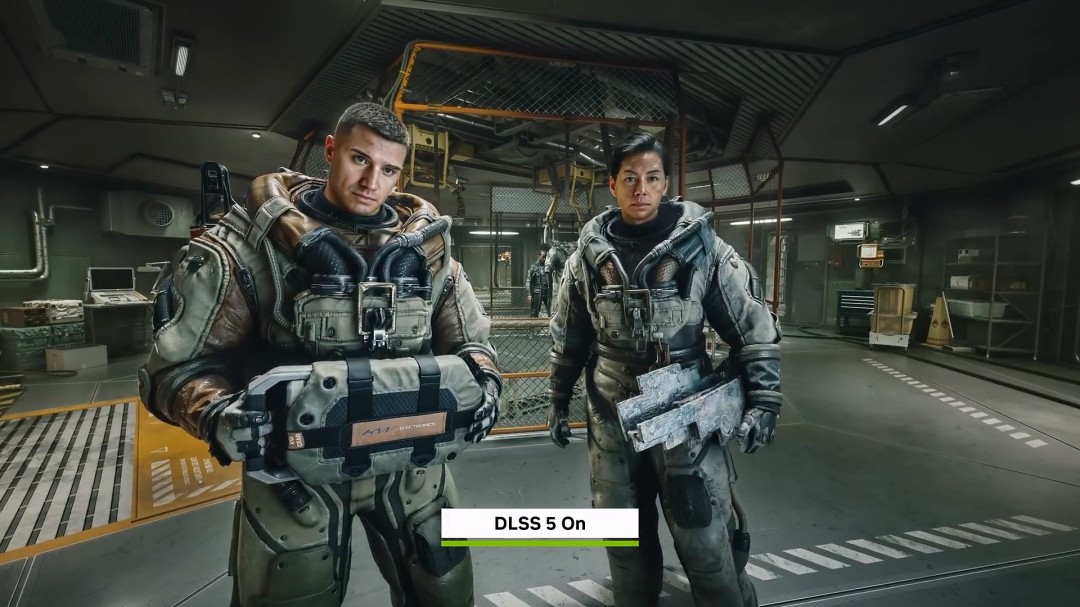
"Hogwarts Legacy" DLSS 5 presentation: