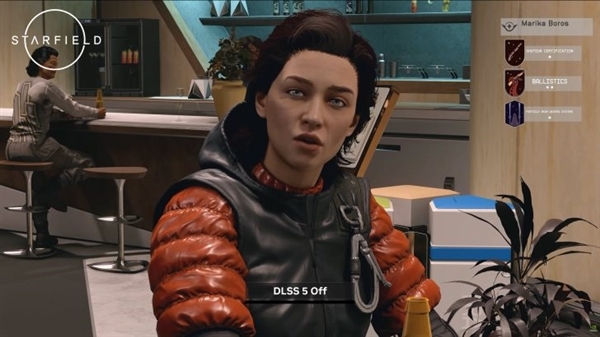
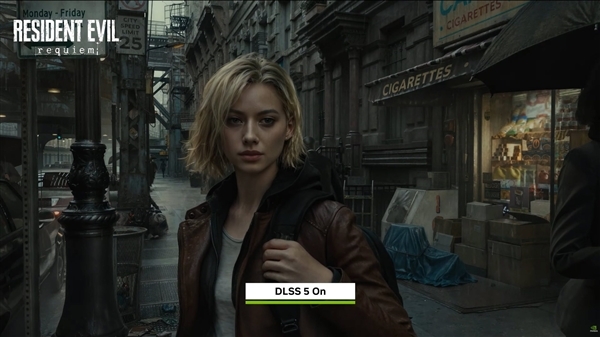
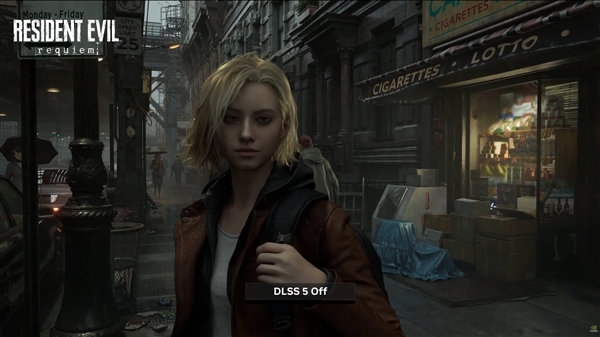
For gamers, the biggest surprise at this GTC 2026 conference is that NVIDIA unexpectedly released DLSS 5, which is known as the "GPT moment" in the field of graphics technology. Once it was unveiled, it caused a sensation in the industry.Regarding the display effect of DLSS 5, experts from Digital Foundry, the world's top technology evaluation organization, spoke highly of it: "The most shocking game demonstration I have ever seen."
However, some people think that the picture "modified" by DLSS 5 is too strong in AI flavor and does not look like the same game as the original picture. They are blasting it as "AI garbage", which is comparable to witchcraft.
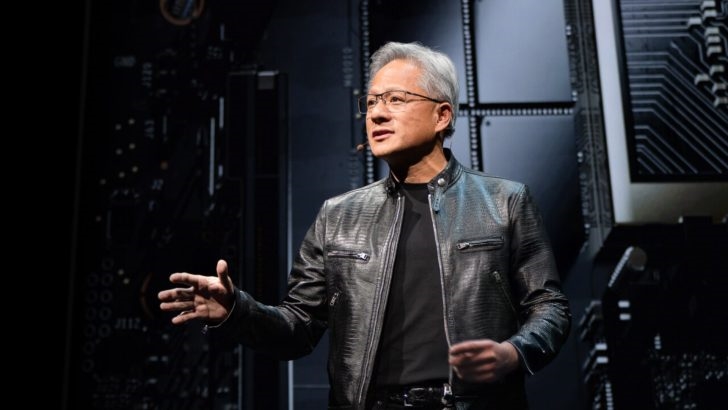
After the meeting, NVIDIA CEO Jen-Hsun Huang talked about the outside criticism of DLSS 5 in a media Q&A session with Tom's Hardware.
Some players have openly complained on social media that the technology makes games look worse, more uniform, or simply represents NVIDIA's version of the world. Much criticism has focused on the graphical updates to Grace Ashcroft and Leon Kennedy in Resident Evil: Requiem.
"First of all, what they're saying is completely wrong," Huang said in response to a question from Tom's Hardware editor-in-chief Paul Alcorn about the criticism.
"The reason is, as I've explained in detail before, DLSS 5 fuses geometry, textures, and control of all elements in the game with generative artificial intelligence," Huang continued.
He added that developers can still "fine-tune generative AI" to suit their own style. He noted that DLSS 5 adds generation capabilities to the game's existing geometry, but "doesn't change the art control."
“It’s not post-processing, it’s not frame-level post-processing, it’s geometry-level generation control,” he said.
Huang explained that all of this is directly controlled by the game developers. This is very different from generative AI; it is content-controlled generative AI. That's why we call it neural rendering.
In other words, DLSS 5 is not just a shallow visual filter. This technology has been integrated into the rendering pipeline of the 3D engine and can generate data that he calls "generative control." At the same time, DLSS 5 also ensures that the relevant AI layer will not make "guesses" in terms of visual enhancement.
It obtains structured data, such as 3D bones (geometry), character movement patterns (motion vectors), and scene depth, and then generates realistic textures, rather than generating "AI garbage" as the outside world calls it.