Apple’s autumn new product launch event in September every year has always been known as the Spring Festival Gala in the technology world. As usual, the new generation of iPhone will be officially unveiled at this point in time, becoming the focus of global consumers and industry attention. However, starting from the iPhone 18 series, Apple’s release strategy seems to have undergone a major adjustment. According to various sources,Apple plans to change the annual update rhythm that has been maintained for many years to two updates a year to respond to rapidly changing market demands with a more flexible attitude.
According to internal sources, Apple will release three models next spring, namely iPhone 18 standard version, iPhone 18e and iPhone 18 Plus. It is worth noting that last year Apple replaced the Plus model with iPhone Air, so this rumored new machine is most likely to be the second generation of iPhone Air.
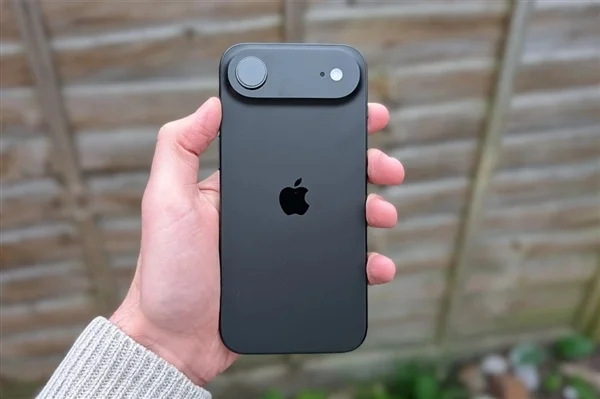
Many research institutions pointed out that Apple’s Plus and Air series have been unsatisfactory in the market. Especially the previous iPhone Air saw a steep price cut of up to 2,000 yuan in January this year due to sales far below expectations. After adding subsidies, its starting price set a record for the largest drop after a new machine was launched.
Although the market feedback of the first-generation product did not meet expectations, iPhone Air 2 will still be iterated as planned. It is reported that the new phone will introduce a key ultra-wide-angle lens, aiming to completely make up for the shortcomings of the first-generation product in imaging hardware and restore consumer confidence by completing the configuration.
Industry analysts believe that Apple’s strategy of launching two updates a year has far-reaching business considerations. On the one hand, it is to respond more directly to the fierce competition in the Android camp and fill the half-year market gap in the first half of the year; on the other hand, it is to flexibly avoid the super cycle of sharp price increases for components such as memory, so as to control hardware costs more accurately.
This change in release frequency marks that Apple is breaking the traditional operating model that has been maintained for many years. A new round of competition in the mobile phone market will also begin. Apple is trying to take the initiative in the fierce global competition through a more frequent update rhythm.