On April 14, eight new high-resolution optical remote sensing satellites were added to the Jilin-1 satellite constellation, namely the "Jixing" Gaofen 07A02-04 satellite, 07B02-04 satellite, and 07C02-03 satellite. So far, the Jilin-1 constellation has launched 152 satellites in orbit, making it the world's largest sub-meter commercial remote sensing constellation. It plans to achieve all-weather coverage with 300 satellites by 2027.
After the eight satellites were put into orbit, they quickly completed the establishment of working status independently. They all completed their first power-on imaging and data return on the day of launch, successfully achieving the goal of the early orbit entry stage.
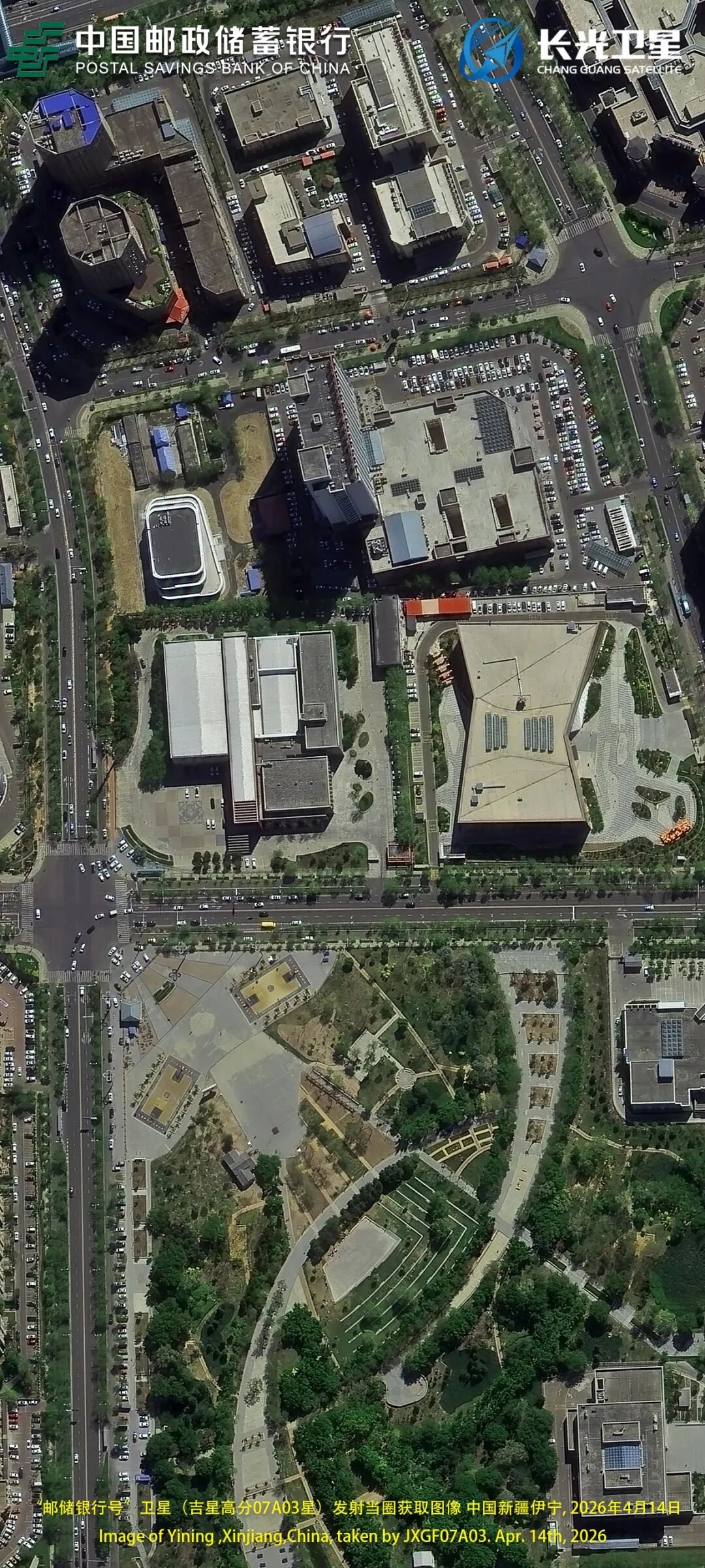
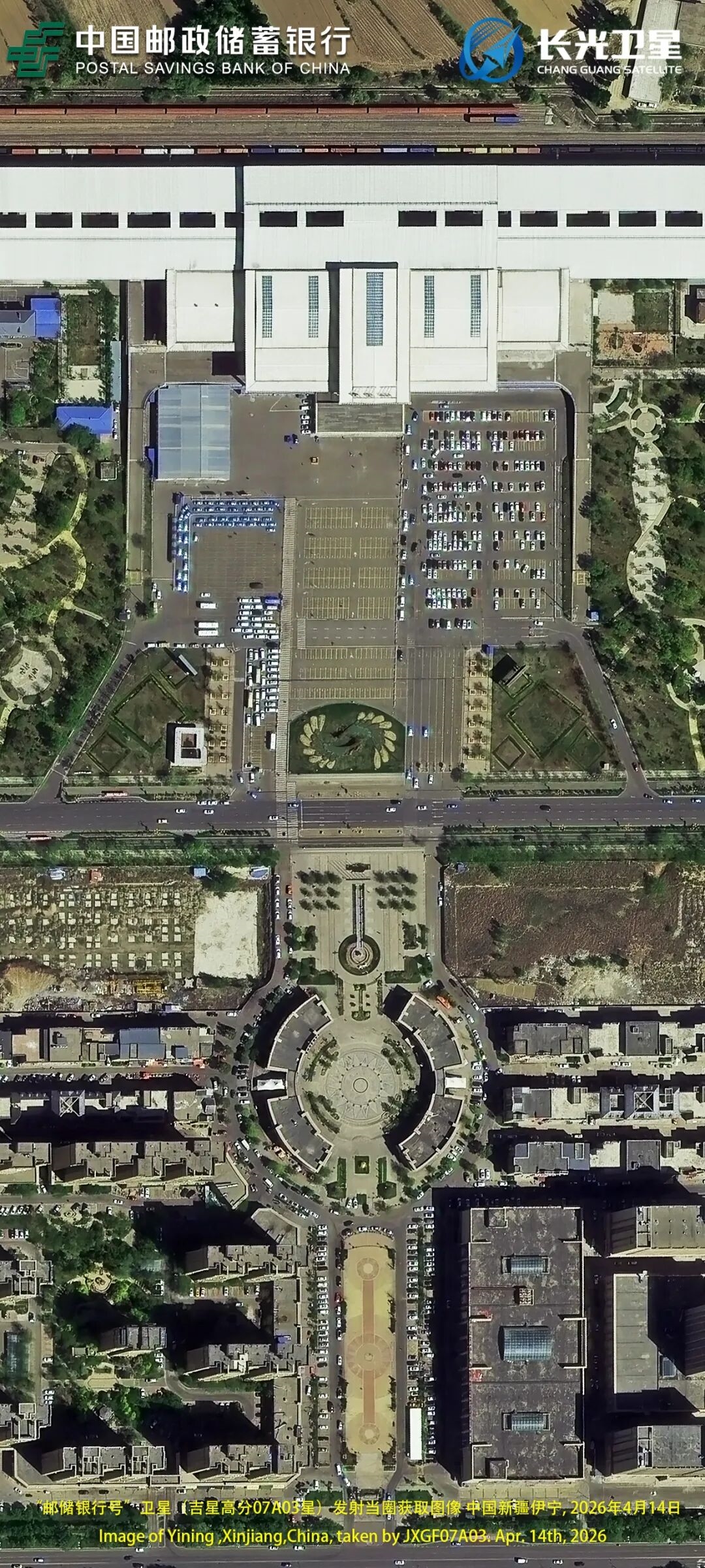
Among them, the "Jixing" Gaofen 07A03 satellite, also known as the "Postal Savings Bank" satellite, is a high-precision, high-resolution optical remote sensing satellite jointly built by Changguang Satellite and the Postal Savings Bank of China.
The satellite was powered on in the first lap after launch and took real-life photos and imaging of the Yining region in Xinjiang. Only 1 hour and 40 minutes had passed since the launch, and when the images were obtained on the ground, it was less than 2 hours before the rocket was ignited and launched.
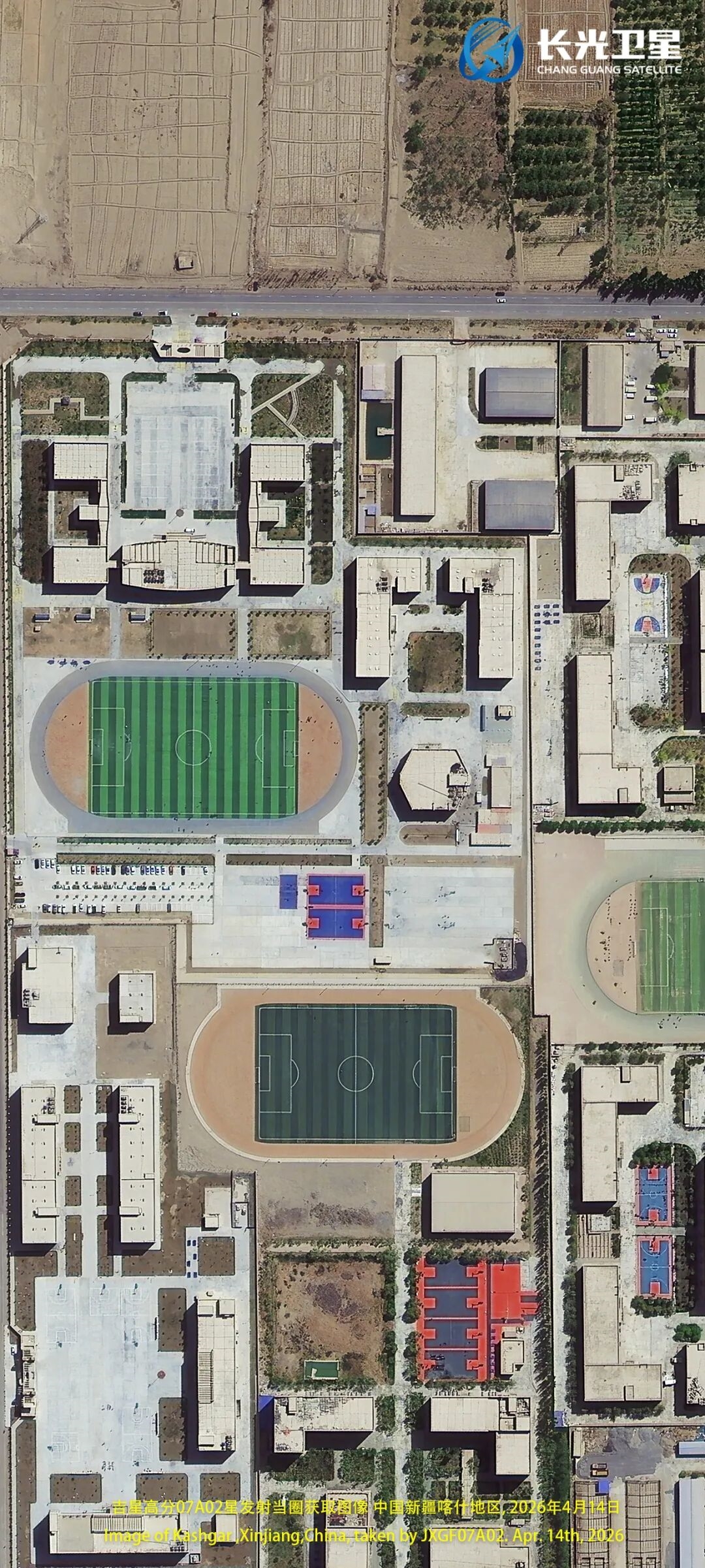
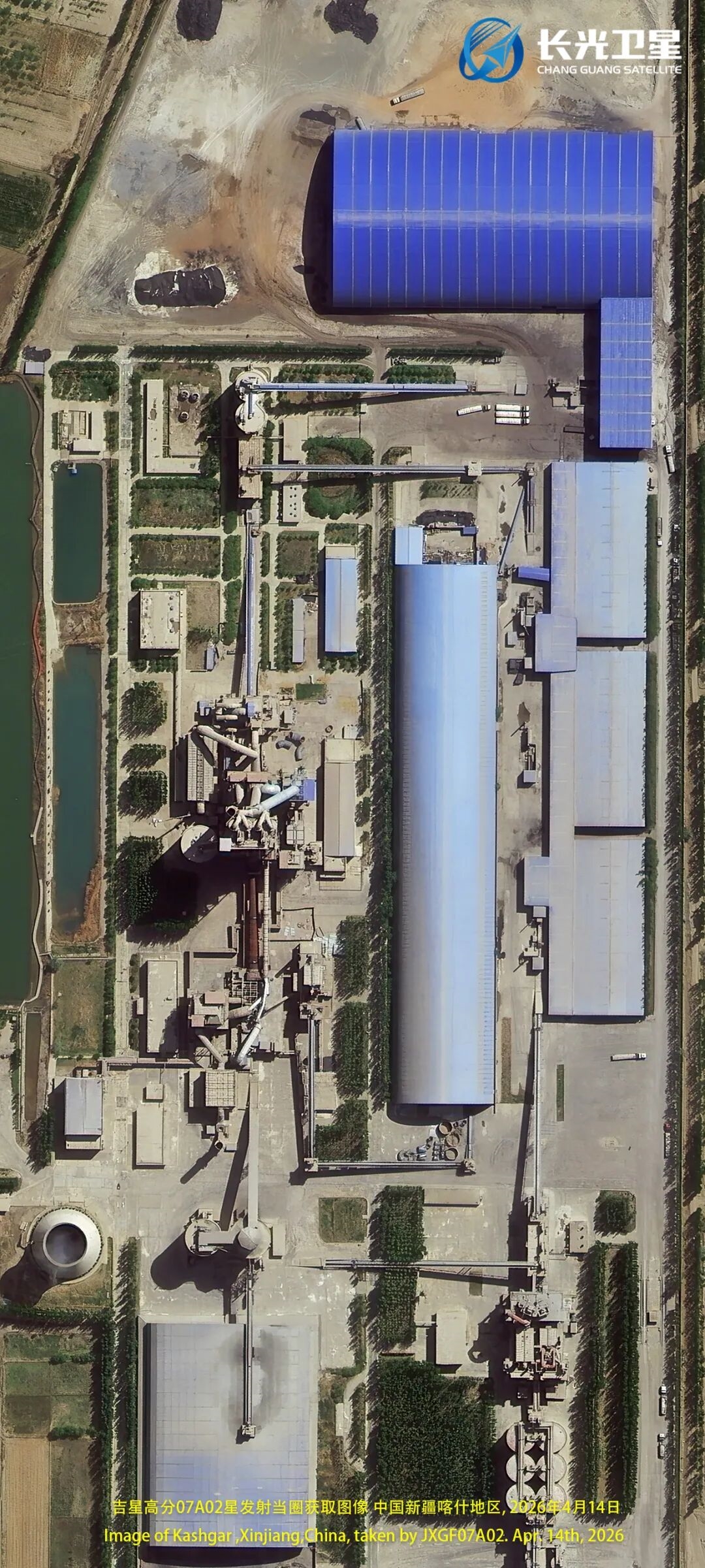
Also successfully completing the real-shot and live-transmission imaging mission in the first lap was the "Jixing" high-scoring 07A02 star, which acquired images of the Kashgar area.
The remaining six satellites also successively completed imaging of Mumbai in India, Dammam in the United Arab Emirates, Ouargra in Algeria and other places, and completed data return on the same day.
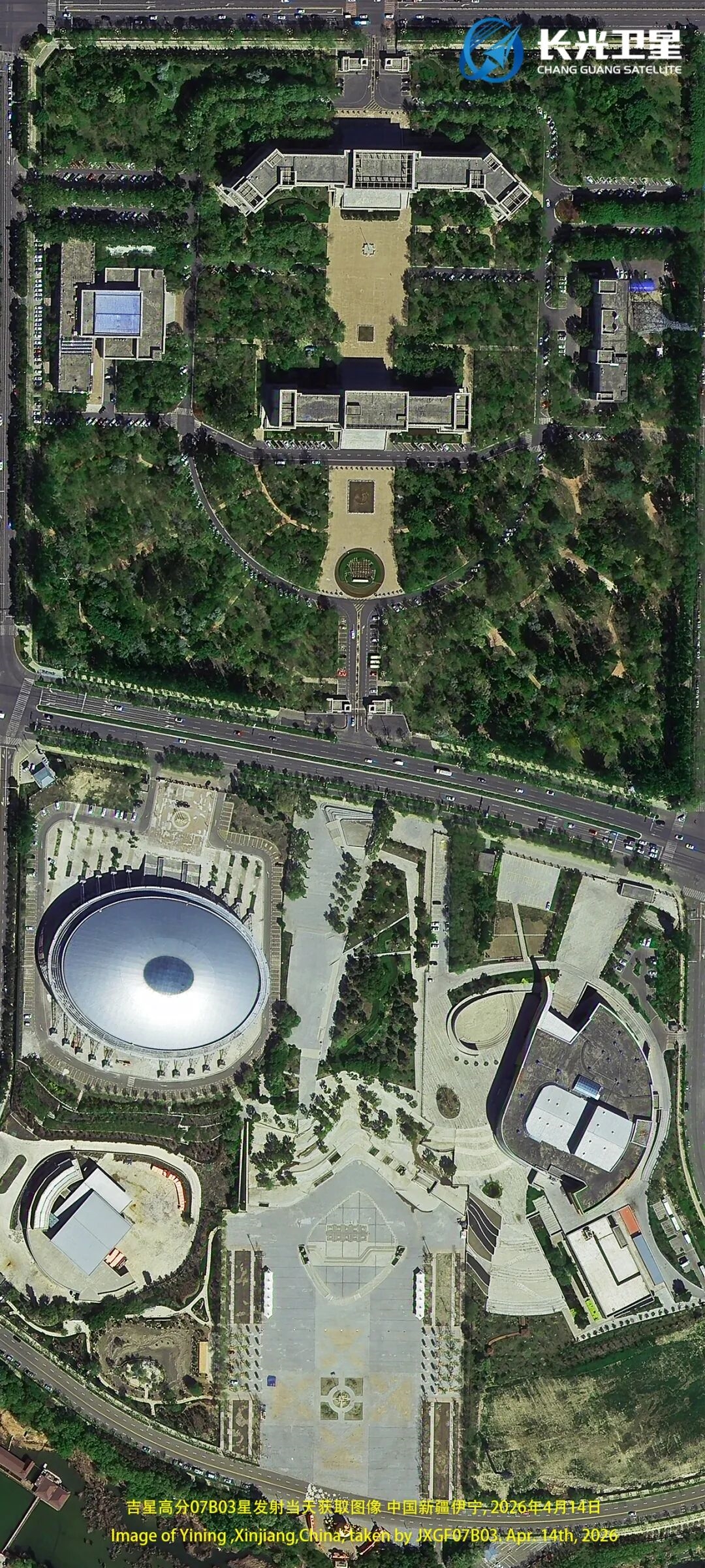
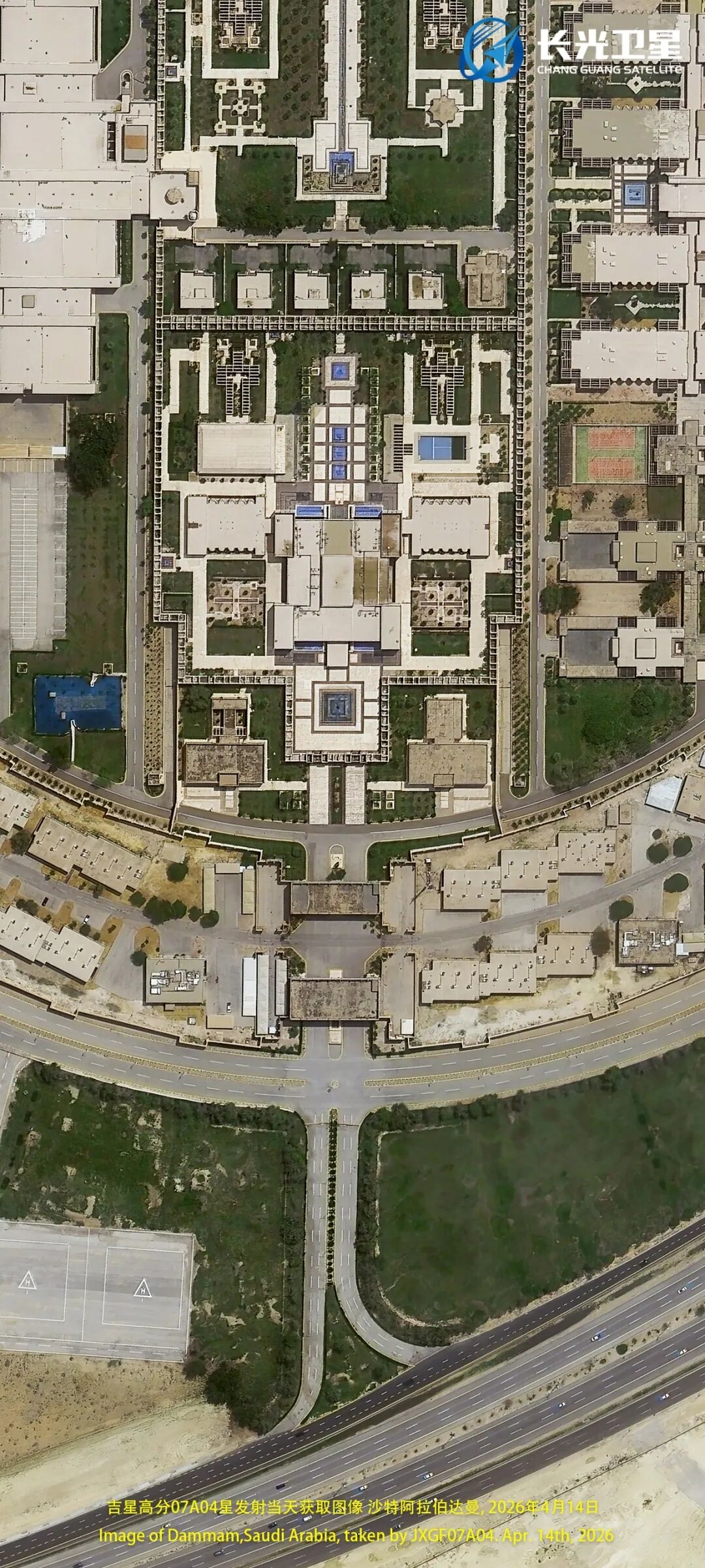
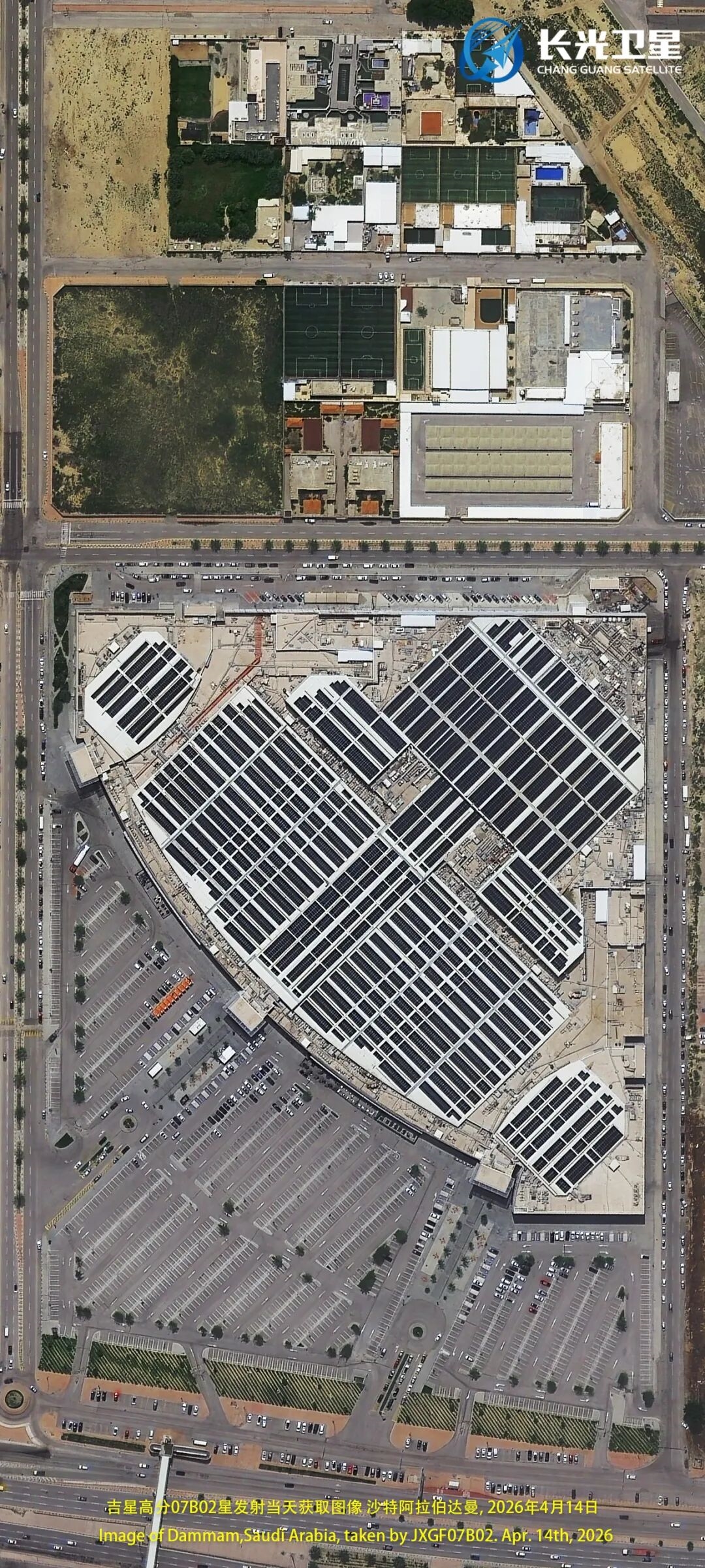
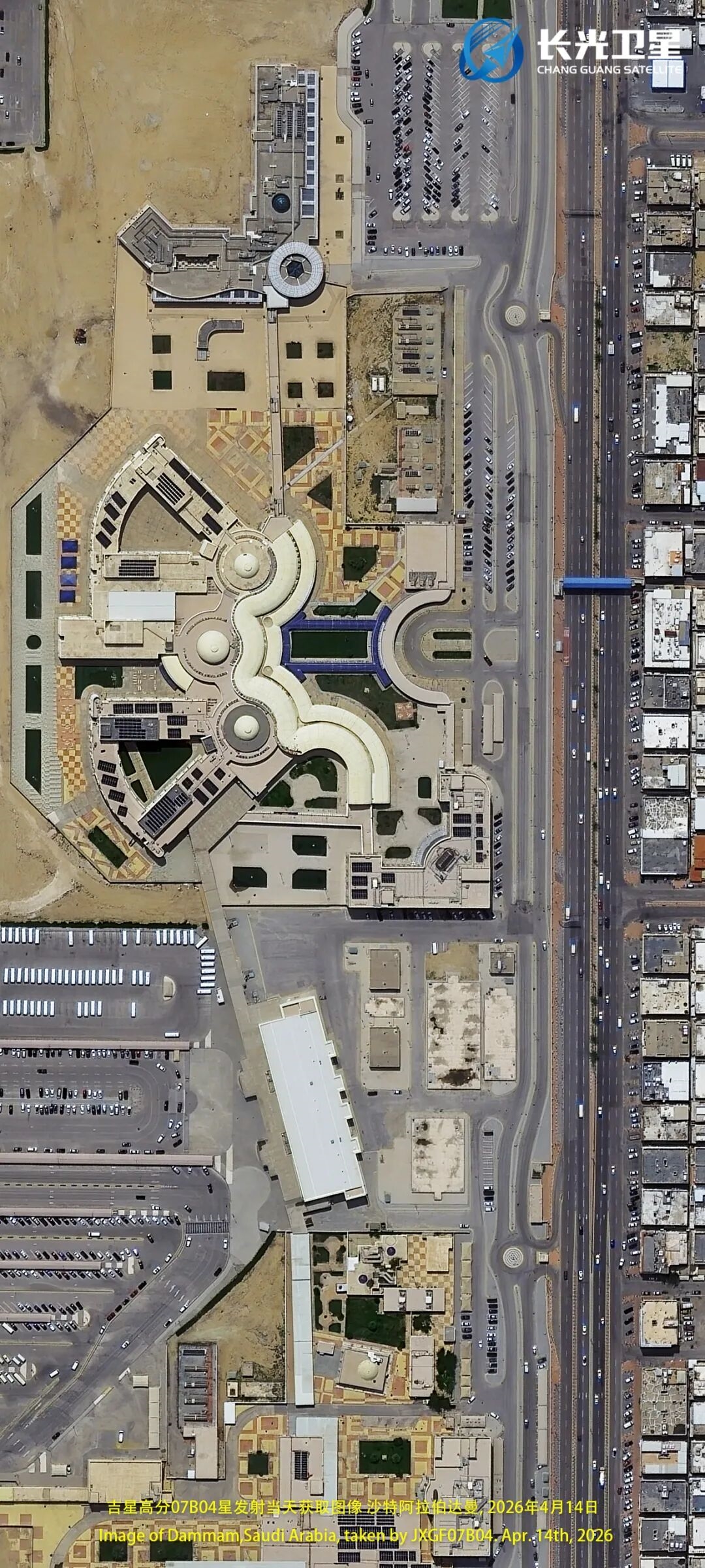
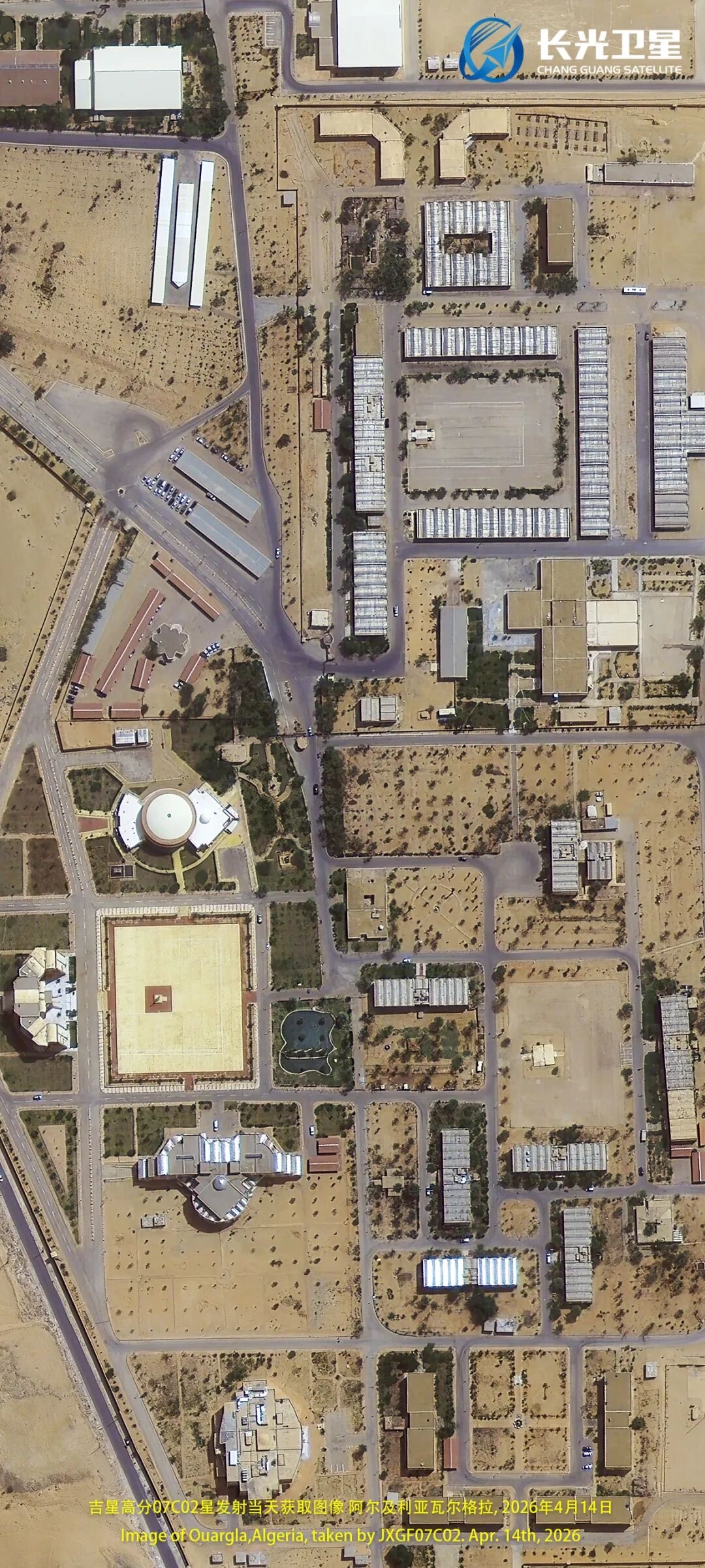
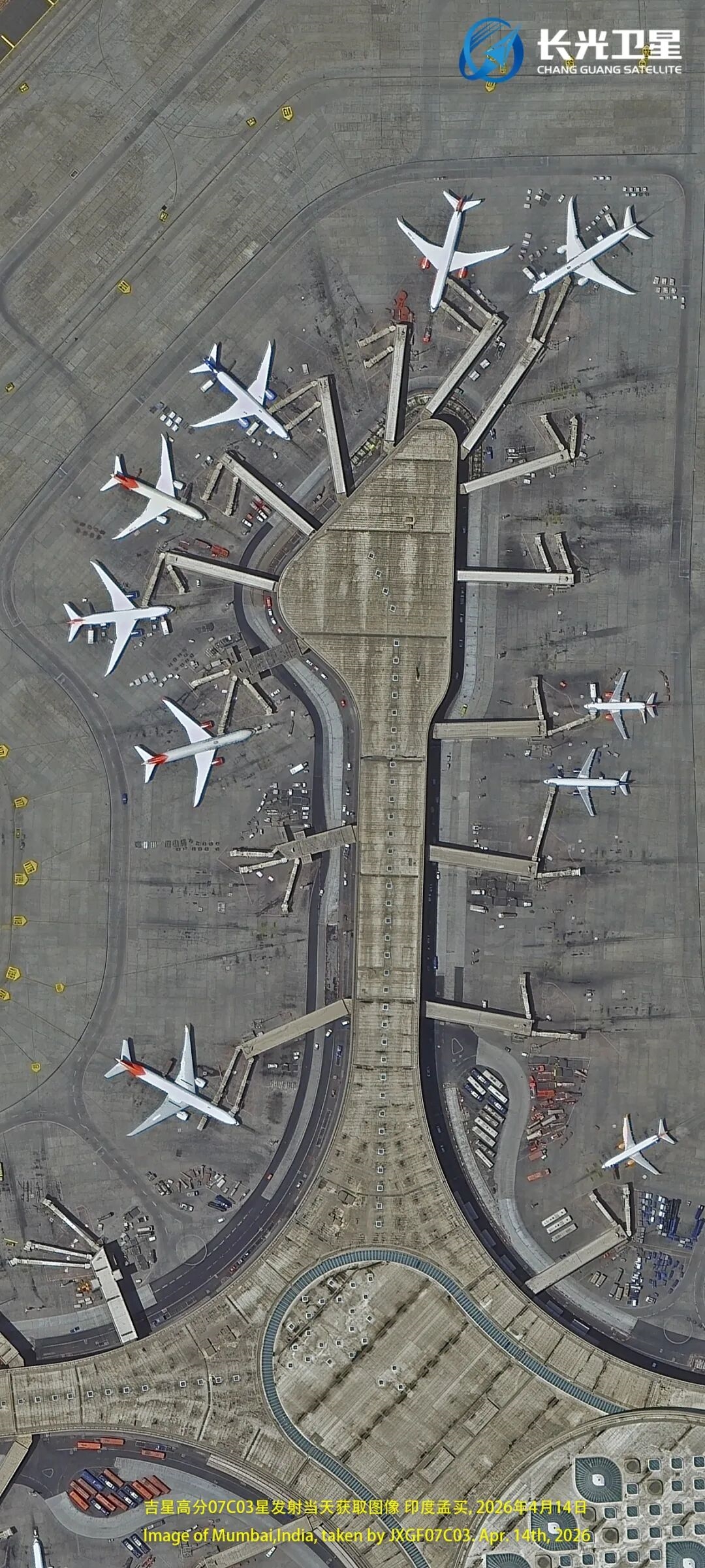
The "Jixing" Gaofen 07 series satellites, as new business satellites developed by Changguang Satellite, can adapt to the rapid response needs of multiple types of tasks such as hot spot imaging, stereoscopic imaging, and space target imaging.
This series of satellites are developed based on the concept of spaceborne deep fusion. The positioning accuracy and geometric quality of image products have been greatly improved. They also have independent mission planning and AI algorithm on-orbit update capabilities. They can acquire high-definition images with a resolution better than 0.5m, and are "stable, reliable, and intelligent".
The latest batch of satellites launched will further carry out various in-orbit tests and be put into commercial operation as soon as possible.