The European Union will mandate that smartphones and tablets sold in the EU have user-replaceable batteries starting in 2027. The initiative aims to significantly reduce e-waste across Europe by extending the life of equipment and reducing the frequency of end-of-life. At the same time, the European Union will also simultaneously promote the standardization of charging interfaces and require related devices to uniformly use USB‑C interfaces to reduce the waste of accessories and improve compatibility between different brands and devices.
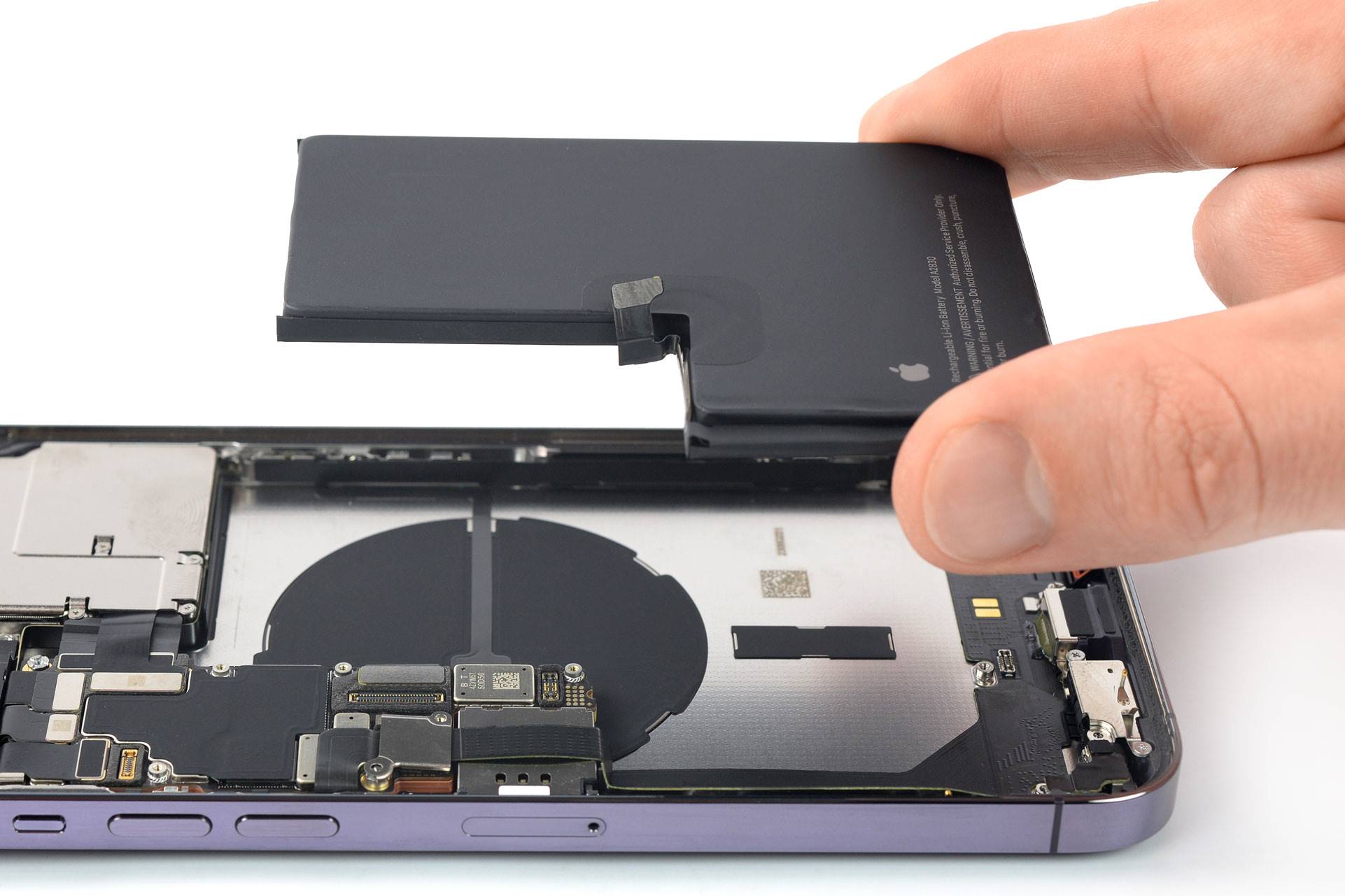
The report pointed out that this new regulation was adopted as part of a broader regulatory plan as early as 2023 and will officially take effect on February 18, 2027. By then, the battery design of all portable devices sold in the EU market must meet the conditions of "user-removable and replaceable" and must not rely on professional tools or special operations by after-sales service personnel. In other words, ordinary consumers should be able to complete battery replacement independently without damaging the device or using special equipment.
The new regulations are seen as a major reversal of the "sealed battery" trend in recent years. For a long time, a large number of smartphones and tablet products have adopted integrated body and built-in battery designs. If users want to replace the battery, they often need to go to official or third-party repair points. This objectively increases maintenance costs and also makes many consumers directly choose to replace the entire phone after the battery performance has significantly declined, thereby increasing the generation of electronic waste. The EU hopes that by mandating the restoration of replaceable batteries, manufacturers will be encouraged to consider maintenance convenience and sustainability at the design stage, so that equipment can remain usable for a longer period.
At the same time, the requirement to uniformly adopt USB‑C charging interfaces continues the EU’s policy path of promoting “universal charging standards” in the field of electronic products in recent years. Regulators believe that a unified interface will not only help consumers share charging cables and adapters between devices of different brands, but also reduce the large amount of obsolete cable and charger waste caused by incompatible interfaces. Implementing this standard on highly popular electronic products such as mobile phones and tablets is expected to produce significant environmental effects in real life.
For mobile phone and tablet manufacturers, the new regulations mean that product design ideas will have to be adjusted. On the one hand, the equipment needs to ensure structural strength, waterproof and dustproof performance, while reserving a detachable structure and sufficient maintenance space for the battery; on the other hand, the internal layout and appearance design will also face the challenge of rebalancing "thinness" and "maintainability". It is generally expected in the industry that as the regulations come into effect, major manufacturers will successively launch new generation replaceable battery product lines that meet the requirements to continue to maintain competitiveness in this important market of the EU.
For consumers and environmental groups, this policy is seen as an important step towards the "right to repair" and "green consumption". When consumers purchase new devices in the future, they are expected to no longer passively eliminate the entire device due to aging batteries, but instead extend the service life of existing devices by replacing batteries. Environmental groups expect that after the regulations are implemented, the total amount of e-waste in the EU will be substantially reduced. As the 2027 implementation date approaches, product standards, technical details and market responses surrounding replaceable batteries and USB‑C interfaces will also become the focus of attention in the European technology and consumer markets.
Related articles:
EU to roll out new smartphone battery life and repairability labels