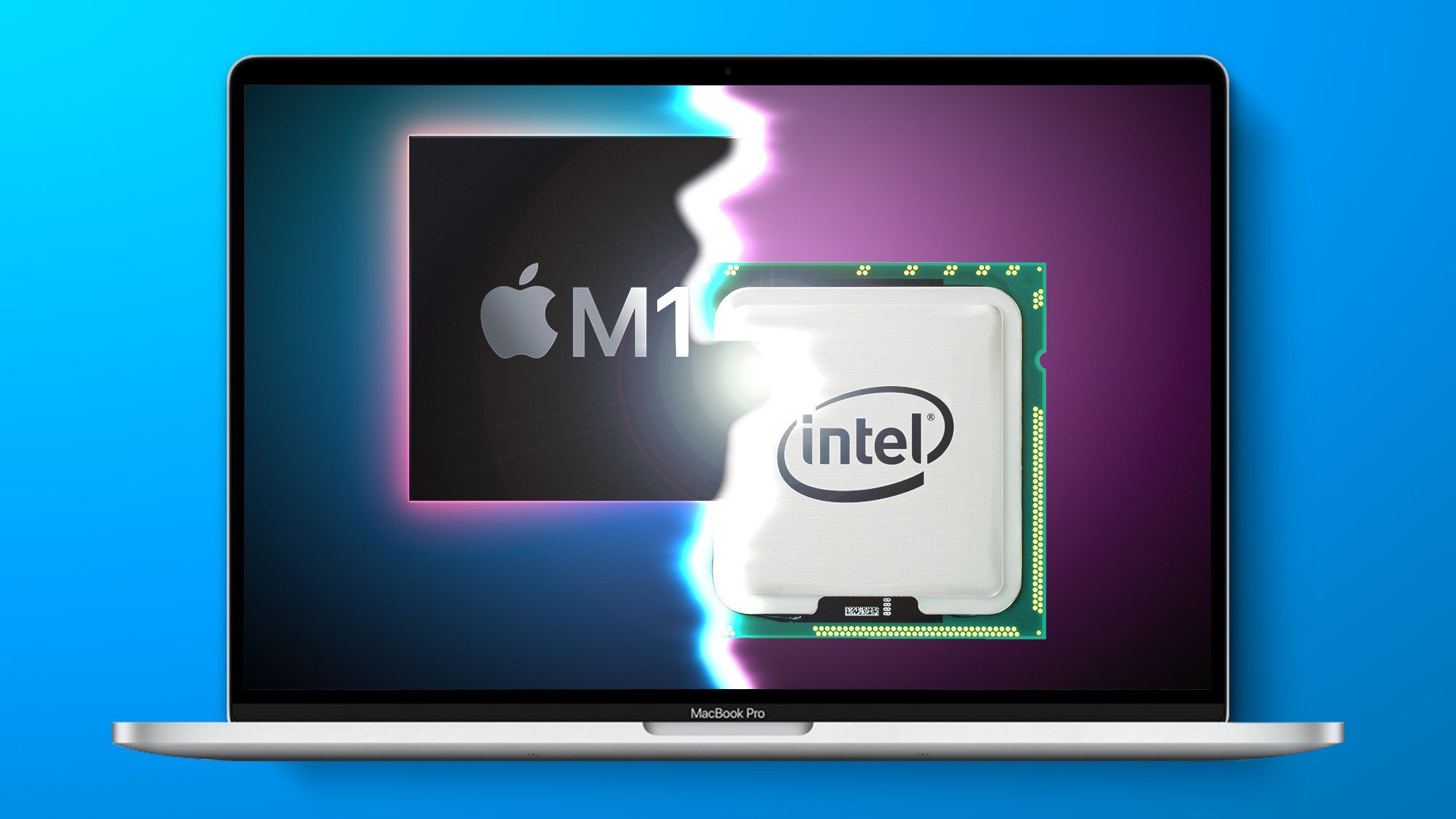
As early as last year’s WWDC 2025 Developers Conference, Apple had announced,macOS 26 Tahoe will be the last version to support Intel processors.Starting from macOS 27, Apple systems will only be compatible with Apple’s self-developed processors, which are expected to include the full M series and the A18 MacBook Neo.
macOS 27 is expected to launch a beta version in June and a formal version in September.
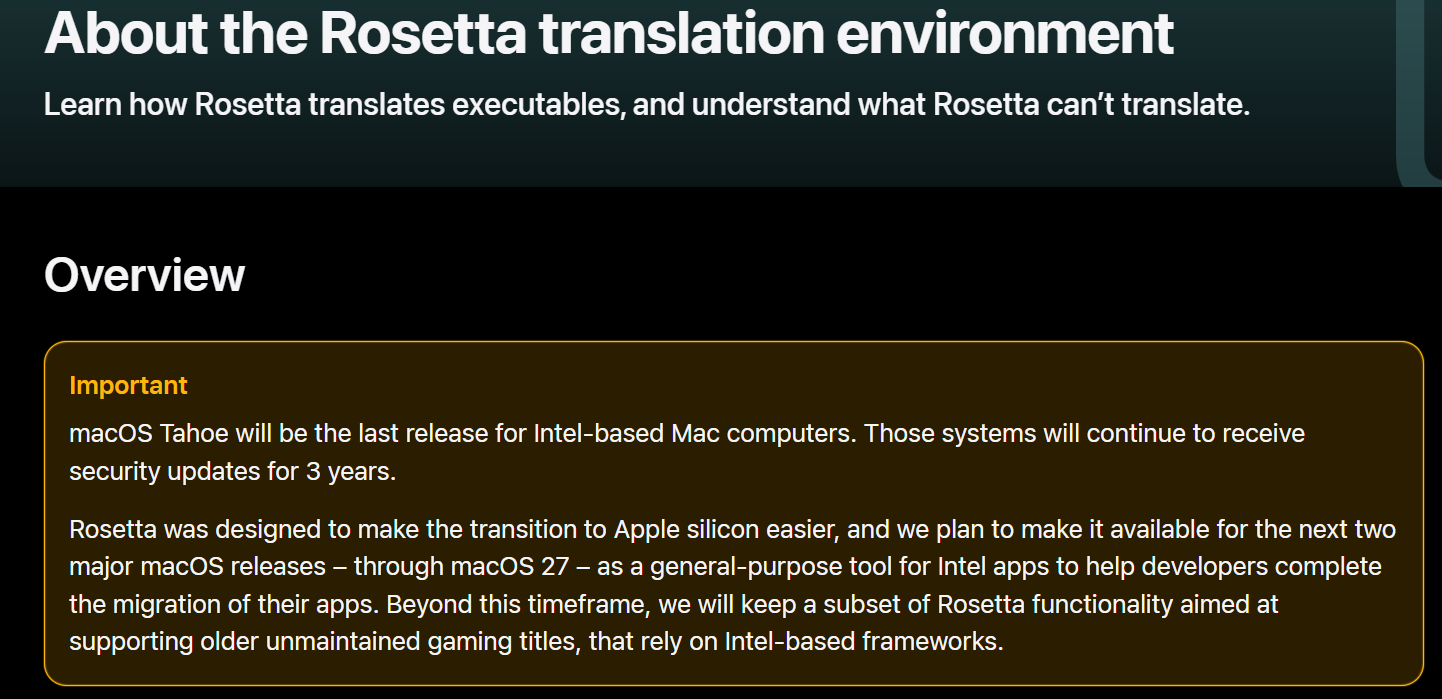
Apple recently issued another notice to remind developers to pay attention to changes in Rosetta 2 framework technology.
Rosetta is Apple's application conversion technology to facilitate the transition of developers and users from Intel architecture to Apple architecture. Now that Intel Mac is about to completely withdraw, its historical mission is also coming to an end.
In macOS 27 and later macOS 28 systems, Rosetta 2 will continue to be retained, and a subset of this function will be retained later to support old games that must rely on the Intel framework and are no longer maintained.
I think Apple followed a similar strategy when it switched from PowerPC to Intel. Mac OS X 10.4/10.5/10.6 all provided the original Rosetta technology, but it was completely removed from Mac OS
macOS 26 Tahoe compatible devices include:
MacBook Neo (2026)
MacBook Air with Apple silicon (2020 and later)
MacBook Pro with Apple silicon (2020 and later)
MacBook Pro (16-inch 2019)
MacBook Pro (13-inch 2020)
iMac (2020 and later)
Mac mini (2020 and later)
Mac Studio (2022 and beyond)
Mac Pro (2019 and later)
The last four Intel Mac devices no longer compatible with macOS 27 include:
MacBook Pro (2019)
Mac Pro (2019)
iMac 17-inch (2020)
MacBook Pro 13-inch (2020)
It should be noted thatApple will continue to provide security updates for macOS 26 and these older devices for three years, which is until the fall of 2028.