According to Nikkei Asia, Japanese start-up Cyfuse Biomedical, in partnership with Keio University and Fujita Medical University, will launch the world's first human clinical trial of regenerative medicine using 3D printing technology to simultaneously repair knee joint cartilage and bone in July this year. The treatment is expected to provide an alternative to patients with severe knee joint disease, reducing the physical burden of traditional artificial joint replacement.
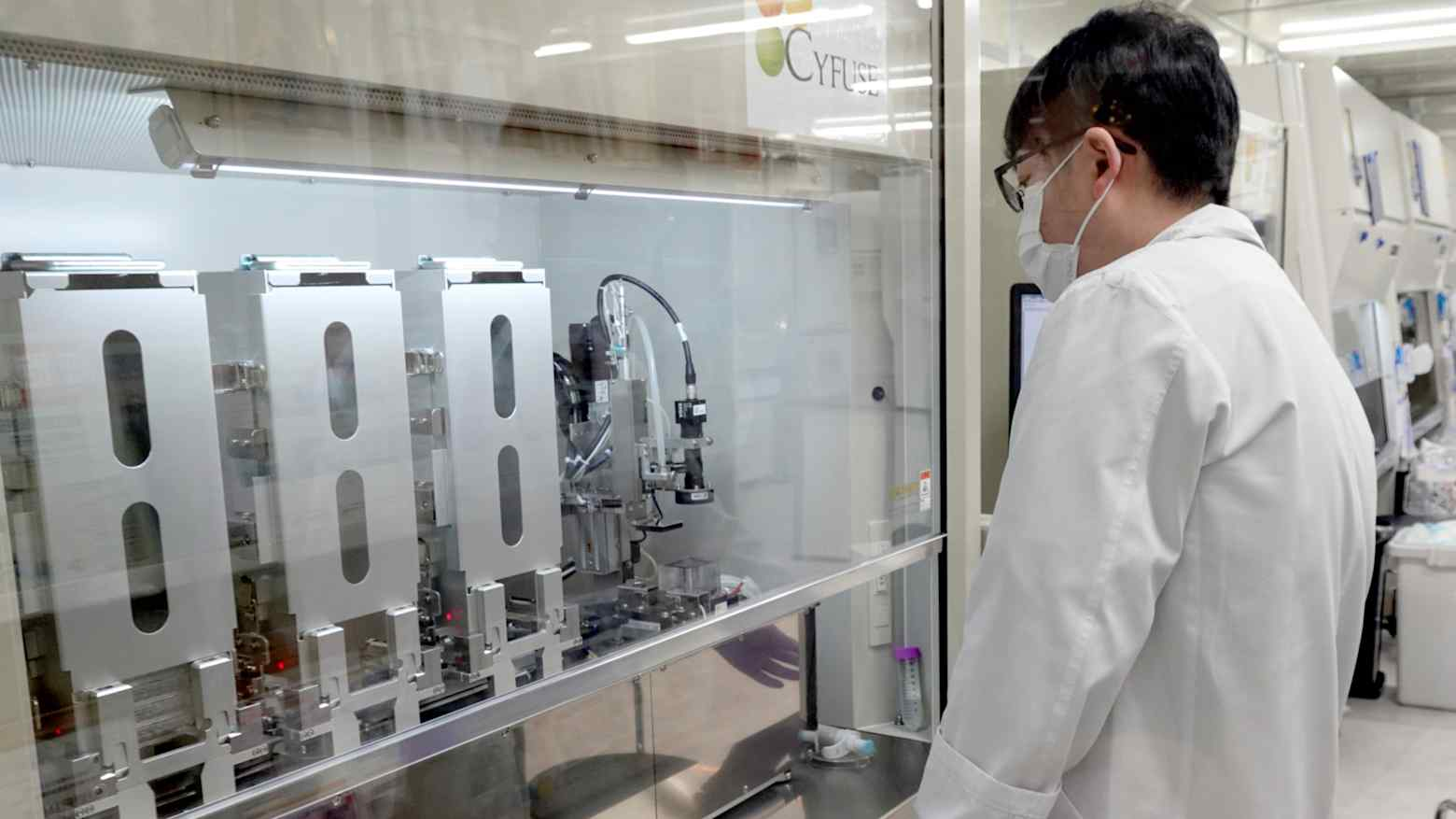
Cyfuse biomedical company uses 3D printing technology to create transplant materials from human cells
The trial will focus on a patient population suffering from idiopathic osteonecrosis of the knee. The research team plans to extract cells from human fat tissue and make 3D printed transplant materials.In specific clinical operations, doctors will implant cylindrical biomaterials with a diameter of 8 mm into 2 and 3 patients at Fujita Medical University Hospital and Keio University Hospital respectively. Once transplanted into a diseased kneecap, the material will continue to release nutrients needed for bone and cartilage regeneration. The method was tested for safety in pigs before entering human clinical trials.
Currently, for chronic pain and difficulty walking caused by severe cartilage wear, mainstream intervention methods mostly rely on artificial joint replacement. Professor Yasuo Niki, an expert in regenerative joint therapy at Fujita Medical University, pointed out that this trial provides a new attempt to treat osteonecrosis. If clinical effectiveness is confirmed, it is expected to benefit millions of patients with knee osteoarthritis around the world in the future.
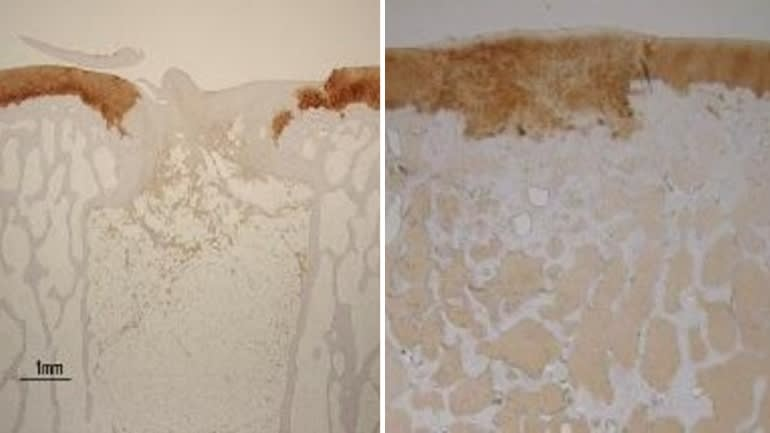
Knee cartilage and bone before and after regeneration
Cyfuse Biomedical, which provides core technology, uses bio-3D printing technology without artificial additives to directly use cells to build three-dimensional materials, thereby reducing the probability of rejection by the patient's body.The company's chief financial officer, Masahiro Sanjo, has made it clear that he hopes to build a business model around such regenerative medicine products and expand market share. Prior to this, the company had cooperated with Kyoto University and other institutions in January this year to use umbilical cord cells to make tubular structures and conduct clinical trials for repairing nerve damage around the fingers.