Australia's social media ban on minors under the age of 16 is facing real challenges a few months after its implementation: many teenagers are not really blocked from the platform, but quickly find a way to bypass age verification and account restrictions, including borrowing parents' facial recognition, using parental identification, and even trying to trick facial recognition tools through masks.
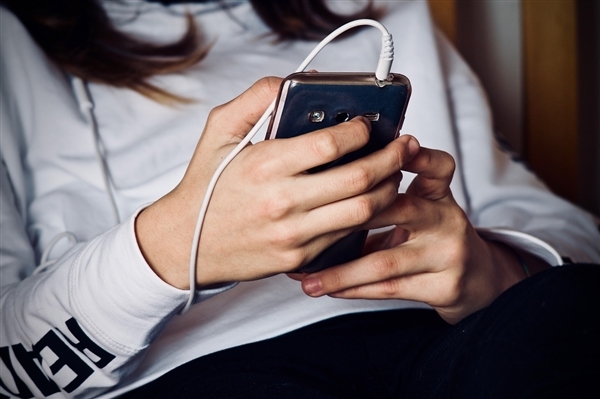
According to reports, the ban has been implemented in December 2025. The main measures include the platform conducting age verification, requiring account renewal, and preventing users who have not reached the legal age from registering new accounts. However, before and after the policy went live, Australian teenagers began to exchange "hack" methods on the Internet. For example, a 14-year-old girl in New South Wales once said that she planned to use her mother's facial recognition to log into Snapchat and Instagram; in related discussions on Reddit, some people also suggested buying printed mesh masks to circumvent the application's facial recognition mechanism, and other users tried to use VPNs to hide their location information.
The latest investigation shows that these evasive behaviors are not an isolated phenomenon. The British suicide prevention organization "Molly Rose Foundation" conducted a survey of 1,050 Australian minors aged 12 to 15 last month and found that more than 60% of the respondents who already had social media accounts before the ban was implemented can still continue to access at least one original platform. Among them, platforms such as TikTok, YouTube and Instagram all have more than half of their users under the age of 16 retained. About two-thirds of young users also said that these platforms "did not take any action" on accounts that existed before the ban was implemented, neither deleting nor reactivating relevant restrictions.
The investigation comes shortly after Australia's internet regulator requested an investigation into five major social media platforms to examine whether they have violated the ban. As the first country in the world to implement a widespread ban on social media for minors, Australia has now effectively become an important sample for other governments to observe the effects of their policies. At present, Greece, France, Indonesia, Austria, Spain and the United Kingdom have all adopted or are considering similar measures, and eight states in the United States are preparing relevant legislation to restrict or prohibit minors from using social media.
An important background for Australia's push for this ban is that more and more studies have begun to focus on the connection between social media and adolescent mental health. The report mentioned that some studies show that teenagers’ long-term use of social media is associated with depression, anxiety and other problems; a 2022 study also found that nearly half of teenagers believe that social media makes them feel worse about their body image. In addition, in March this year, a jury in New Mexico, USA, ruled that YouTube and Meta were liable for designing addictive product features and causing harm to the mental health of young people. Both companies said they would appeal.
However, the academic community has not reached a single conclusion on whether social media is necessarily harmful. Jacqueline Nesi, a professor of psychiatry and human behavior at Brown University, said that looking at the larger data, the impact of teenagers' use of social media is actually quite complex. On the one hand, research shows that online platforms can help LGBT+ youth gain a sense of belonging and provide some young people with space for self-exploration; but on the other hand, these platforms may also make minors more vulnerable to online contact and even deception by adults. She pointed out that what is clear now is that the impact on teenagers of different ages varies significantly, and the effect of social media depends largely on how it is used.
Nesi believes that data on the impact of social media use among teenagers is still new and incomplete, so it can only form part of the basis for policymaking, but not the whole answer. In her view, legislation like the Australian ban is also affected by social value orientations and realistic implementation conditions, and many questions cannot be answered directly by existing research alone.
Although there are doubts about the effectiveness of the ban, Nesi does not believe that restricting minors' use of social media is meaningless in itself. She said this does not necessarily mean that the policy direction is wrong, but more likely that the current implementation method is not working. In other words, the question does not necessarily lie in "whether it should be restricted", but in "how to restrict it" and "whether it can be truly implemented."
At the same time, some domestic organizations in Australia have expressed concerns at different levels about the ban. The Australian Children's Rights Working Group pointed out that if the law tacitly acknowledges that young people should not use these applications, it may weaken the motivation of platforms to continue investing in child safety features. Digital Industry Group Inc., an Australian non-profit organization, warned that the ban may push users under 16 years old into less regulated and riskier corners of the Internet.
Nesi further said that if advocates and lawmakers want such bans to be truly effective, they must first understand why teenagers use social media and provide alternatives that meet those needs in other settings. She pointed out that teenagers go online not just to kill time, but also often involve autonomy, desire for exploration, entertainment needs, a sense of belonging and social connections. If the policy simply cuts off access without providing offline or other safer options, then the ban is unlikely to be effective in the long term.