After a class-action lawsuit was rejected by a court, Apple is facing separate lawsuits from more than 30 plaintiffs who allege they have been tracked, harassed and even threatened with AirTags.These new cases were filed after the "AirTag tracking case" (Hughes v. Apple) filed in 2022 was denied class action status by a judge. The plaintiffs followed the court's recommendation and filed individual lawsuits within 28 days after the class action was dismissed.
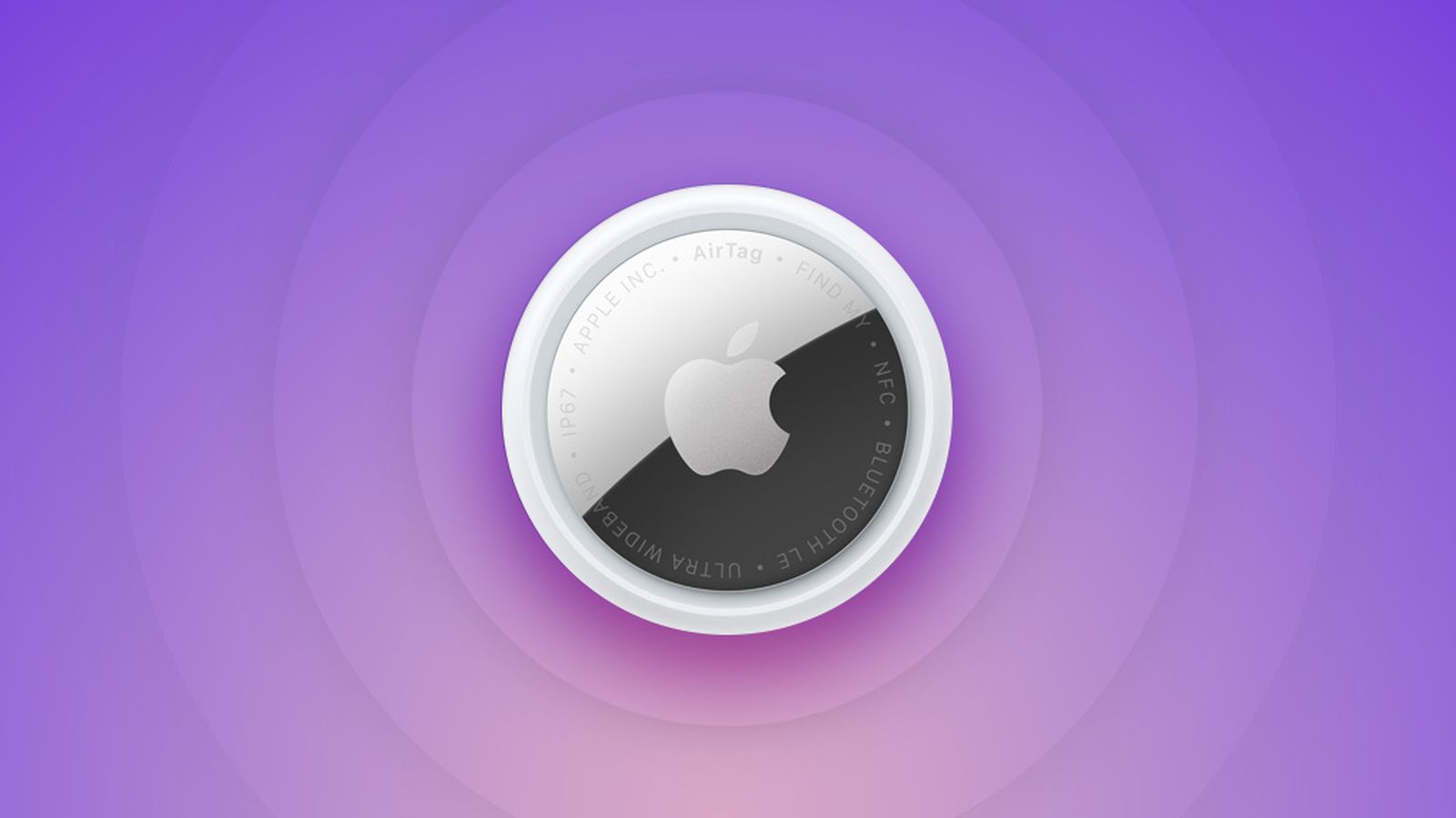
In each complaint, the plaintiffs allege that Apple marketed the product despite knowing that AirTags could be purchased and used by "abusers and dangerous individuals to track, coerce, and control, thereby endangering and harming innocent victims." The complaint states that as early as 2021, when AirTag was launched, Apple knew that existing security protection measures were insufficient, but still chose to release the product. According to internal documents from the original lawsuit, Apple reportedly received more than 40,000 tracking-related reports between April 2021 and April 2024, with internal company admissions that the relevant mechanisms can only "act as a deterrent rather than actually preventing malicious use." Apple also said in the filing that it "should have consulted with domestic violence organizations before rolling out its anti-unnecessary tracking strategy."
Multiple news reports of AirTags being used for tracking were included in the complaint, including extreme cases that ultimately resulted in victims being killed. The plaintiffs’ legal team stated that AirTag “fundamentally changes the scope, breadth and convenience of location tracking behavior, making it easier to implement tracking.” Although there are many other positioning accessories on the market, AirTag relies on Apple's "find" network: any nearby Apple device may become a relay node, transmitting the AirTag's location information back to the holder, so the coverage and accuracy are much higher than traditional products.
In the face of controversy, Apple has successively launched a number of anti-tracking features in the past few years, including cross-platform safety reminders: when the system detects that a strange AirTag has been with the user for a long time, it will send a notification to possible victims, including support for Android users. However, the plaintiffs believe that these protective measures are far from enough, especially as the problem of delayed notifications remains serious. The complaint points out that the current system generally takes 4 to 8 hours to push an alert to a potential victim, but when AirTag first came on the market, this time window was even as long as 72 hours.
Another way for AirTag to issue a reminder is to actively play a sound to remind people around you to pay attention, but this mechanism also has room for bypassing. The complaint mentioned that the built-in speaker of AirTag can be physically removed, and there are even sellers specializing in selling "silent modified AirTags" on second-hand trading platforms, making the sound reminder useless.
Each new lawsuit is accompanied by personal stories, with all plaintiffs saying they had been unknowingly tracked by AirTags, some of whom had endured prolonged periods of fear and emotional distress before the devices were discovered. These cases generally require the court to order Apple to bear compensation, including compensatory damages, punitive damages, attorney fees, and to prohibit Apple from continuing to engage in the "illegal business practices" alleged in the complaint.
In the original 2022 case that was denied class action qualifications, the judge held that due to the obvious differences in state laws and the highly individualized circumstances and impact of each tracking incident, it was not suitable to be heard uniformly in the form of a nationwide class action lawsuit. Therefore, the plaintiffs were advised to file individual lawsuits separately, which directly contributed to the current situation in which a large number of cases pointing to the same product safety dispute are being advanced simultaneously.