Apple recently won an EU legal dispute surrounding its trademark for fruit graphics, successfully preventing a Chinese keyboard manufacturer from registering a citrus fruit logo as an EU trademark on keyboards and related computer product categories. The case was heard by the European Union Intellectual Property Office (EUIPO), and the ruling was that Apple’s objections were established in most product categories related to keyboards and computers, and the Chinese company was not allowed to continue to promote related trademark registration applications. However, in categories such as solar panels, the application can still continue to advance.
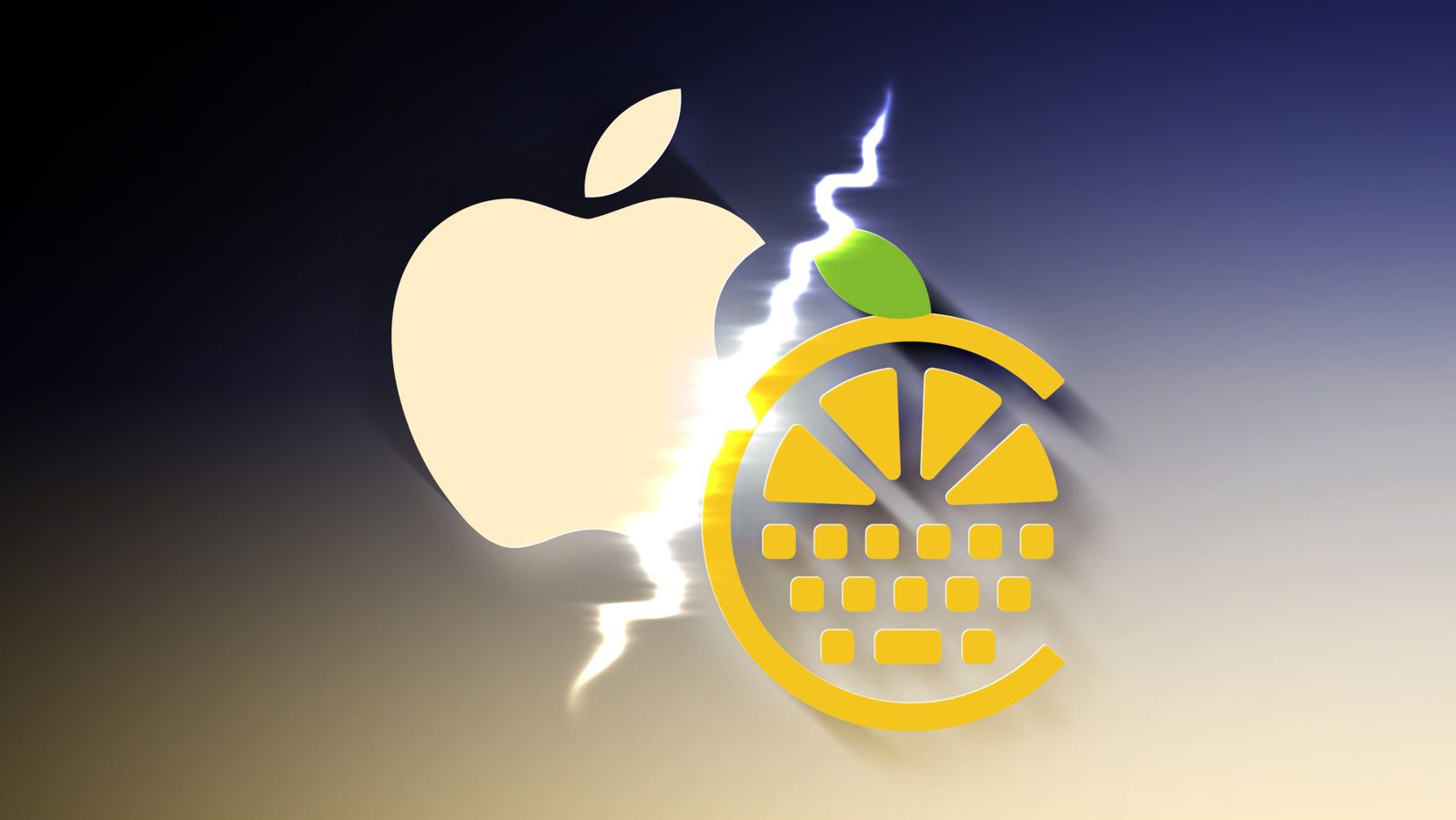
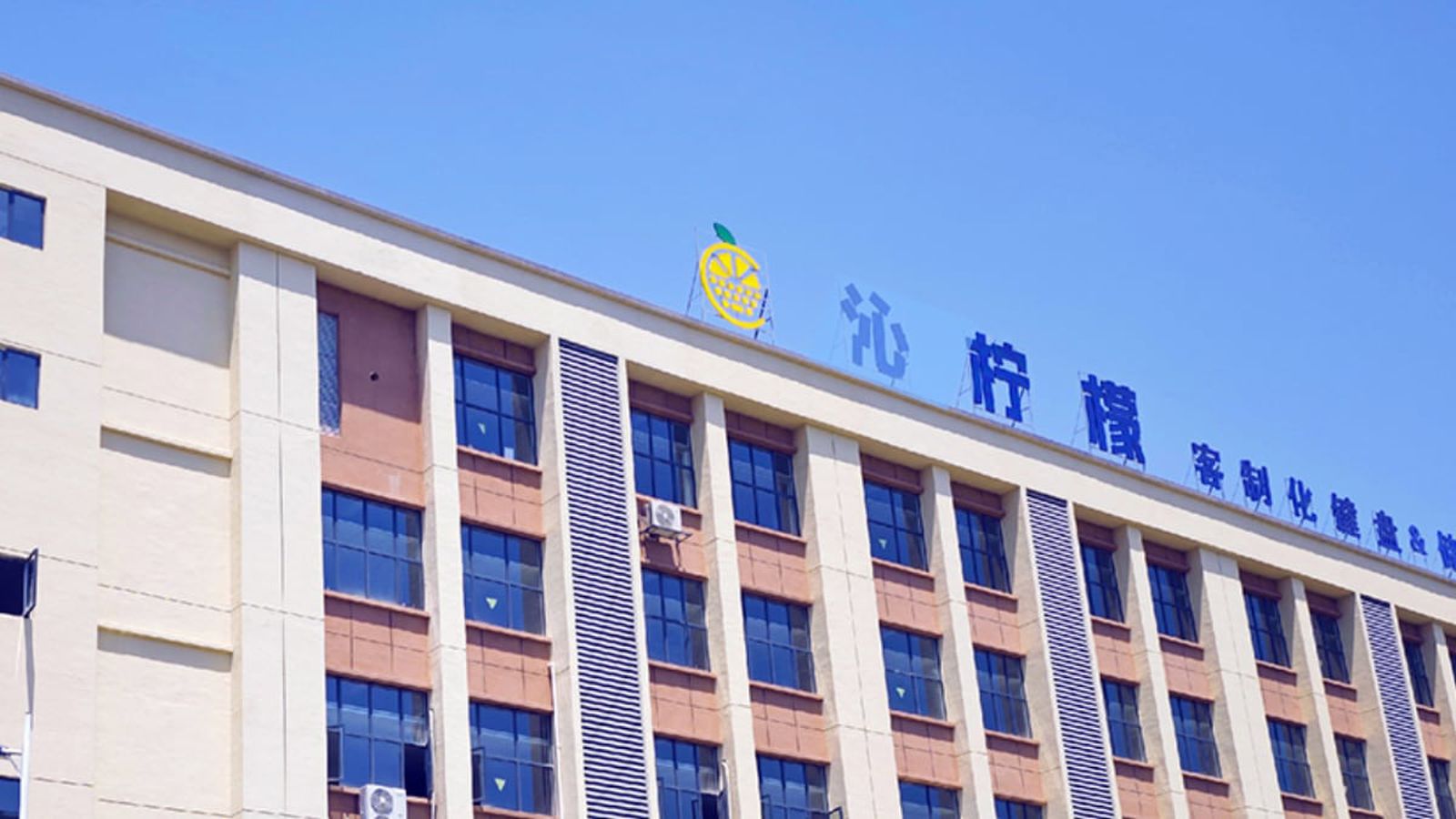
The applicant of the case is Yichun Qinmeng Electronics Co., Ltd. According to the company's website, it mainly sells mechanical keyboards and keycaps, but also sells solar panels and other products. The logo that the company plans to register is a citrus fruit graphic: the whole is round, with a piece missing on the right side, and a green leaf on the left side of the top. The lower part of the fruit is composed of a number of squares or rectangles similar to keycaps. The overall visual combination of "citrus + keyboard" is presented. Part of the company's name in Chinese is associated with citrus fruits, which is thought to be one of the reasons for the choice of such a graphic design.
In its objection, Apple argued that the similarity between the logo and its famous Apple icon, especially the compositional element of “an apple with disconnected leaves and notches,” was enough for the public to visually and associatively associate it with its trademark. However, EUIPO did not fully accept this statement. The review department believes that the main body of the logo is a pattern that is "round in shape although part is missing." In reality, apples are not perfectly round and are not usually depicted in such a round form, so they are more like round fruits such as oranges.
In a detailed written opinion, EUIPO pointed out that the relevant public will regard this logo as "a highly stylized round fruit". The elongated figure separated at the top can be understood as leaves, but it will not directly establish a clear connection with a specific fruit (such as an apple), but will be understood more generally as "some kind of round fruit". At the same time, the neatly arranged square and rectangular elements in the lower part of the pattern are easily reminiscent of "keyboard keys" or "fruit splits", further strengthening the unique composition of the logo itself, rather than simply imitating the Apple icon.
After a comprehensive comparison of the two graphics, EUIPO determined that there are certain "minor common points" between the two, but there are large differences in overall composition, outline shape, graphic details, etc. Visually, there is "only a minimal degree of similarity" between the two, but "no similarity" at a conceptual level. In other words, as far as the graphic itself is concerned, the review agency does not believe that the citrus logo will be directly regarded as a variation or simple transformation of the Apple icon.
However, the case did not end with Yichun Qinmeng’s complete victory because “the graphics did not quite resemble Apple”. EUIPO emphasized in its ruling that Apple has extremely high popularity and goodwill within the EU, and its logo is much more recognized in the minds of the public than general brands. It is precisely based on this strong market reputation that even if the graphic similarity is not high, relevant consumers may still establish a "spiritual link" or association with Apple's trademark on a psychological level when they see the citrus keyboard logo, thereby using Apple's reputation to gain unfair advantages.
In its submission to the EUIPO, Apple said that given that its earlier trademarks enjoyed a "tremendous reputation" in the field of related goods, it was difficult to believe that the applicant did not attempt to be at least somewhat reminiscent of Apple's logo when designing the logo. Apple believes that the logo is more likely to be "deliberately designed" to use Apple's brand value in the fields of technology and consumer electronics to mislead consumers into thinking that there is a supply relationship, authorization relationship or other commercial relationship between the two, thereby obtaining improper benefits in the keyboard and computer accessories market.
EUIPO ultimately adopted Apple's core view on "reputation protection" and held that although the similarity in graphics and concepts is limited, due to Apple's extensive influence in related fields, the registration of the citrus keyboard logo on keyboards and related computer products may indeed constitute an unfair attachment to Apple's trademark reputation. Therefore, in these product categories, Apple’s objections are established, and Yichun Qinmeng Electronics is not allowed to proceed with the trademark registration process. However, EUIPO allows trademark applications to continue to be reviewed in product categories that are clearly different from keyboards and computer products, such as solar panels.
According to the ruling, Yichun Qinmeng Electronics can still appeal within two months to seek to overturn or partially modify the decision. In addition, the two companies had previously engaged in trademark disputes over similar logos in the United States, but because the Chinese company failed to respond as required during the procedure, the U.S. trademark application was eventually terminated.
In recent years, Apple has frequently raised objections and lawsuits against "fruit-related graphic marks" around the world. For example, Apple once sued the developer of an app called Prepear on the grounds that the app used a pear-shaped logo with leaves, which was considered too similar to the Apple trademark; Apple also objected to the apple-shaped logo used by a political party in Norway. Industry data shows that Apple files objections to dozens of trademark applications in the United States and other countries every year to maintain the uniqueness of its brand in terms of graphics, concepts and market associations.