SpaceX plans to conduct a key test flight on Tuesday, launching an upgraded version of its Starship giant rocket, code-named V3. This launch comes at a critical stage for SpaceX's listing. Sources revealed that the company is expected to IPO as early as next month and may publish a prospectus this Wednesday.
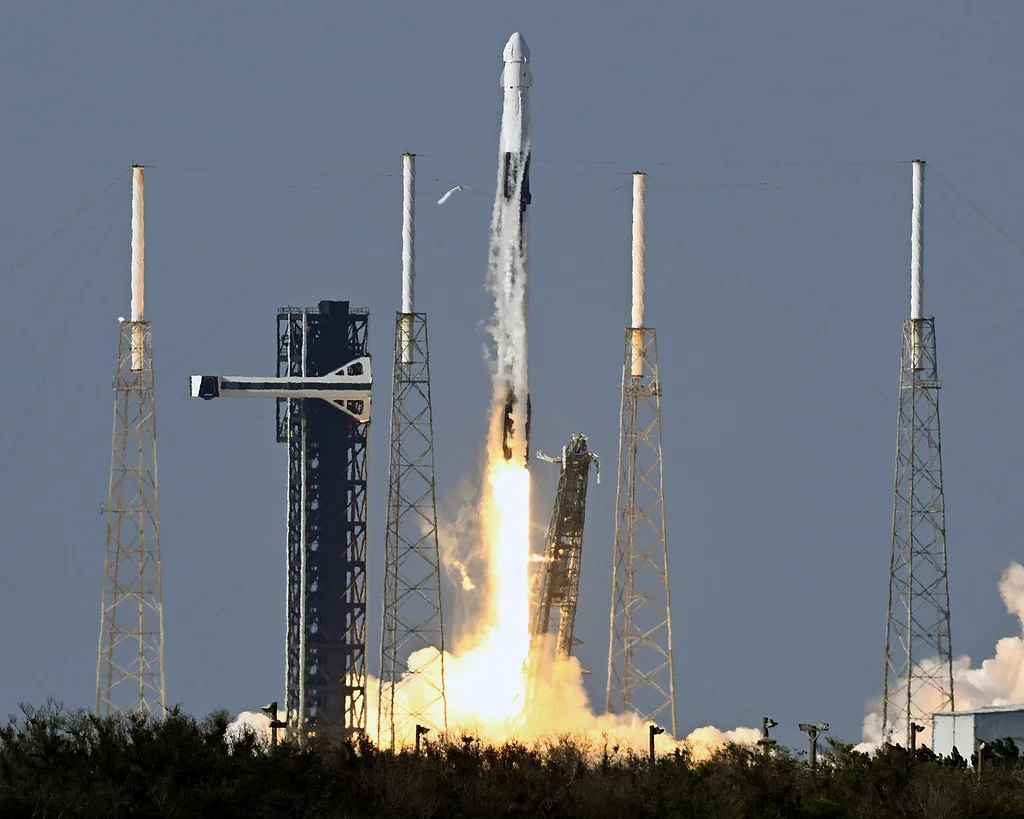
Meanwhile, SpaceX is competing with Bezos' Blue Origin to develop starships for NASA's Artemis program for use in 2028 manned missions to the moon. At present, the development progress of Starship is lagging behind NASA’s expectations for SpaceX.
The rocket was originally scheduled to fly for the first time in 2023, but last year's failure delayed its development. Starship's most recent test flight, its 11th, took place seven months ago. Since then, both the booster and rocket upper stage have undergone redesigns.
The flight will mark the first launch of a significantly upgraded Starship upper stage and Super Heavy booster, as SpaceX faces increasing pressure to prove the hardware can be used in NASA's Artemis program.
unusual delay
The Artemis program calls for the starship's upper stage to dock with NASA's Orion spacecraft in orbit around the Earth and then deliver astronauts to the lunar surface. At the end of the mission, the starship will carry the astronauts away from the moon and dock again with the Orion spacecraft, which will then return the astronauts to Earth.
SpaceX has made a number of upgrades to Starship V3, including new Raptor 3 engines on both the super-heavy thruster and Starship. When the two engines work together, they will be able to produce approximately 18 million pounds of thrust.
In addition, SpaceX has increased the volume of Starship's propellant tanks and reduced the number of "grid fins" on the top of the booster - the purpose of these grid fins is to help accurately guide the booster back to Earth.
Tuesday's test flight is expected to last about 65 minutes and, if all goes according to plan, will result in the upper stage splashing down in the Indian Ocean. The rocket will eventually be reused and recovered by a robotic arm on the Starbase launch tower in southern Texas, but SpaceX said it will not attempt recovery during Tuesday's test flight.
Don Platt, a professor at Florida Institute of Technology, said that people have almost become accustomed to SpaceX launching once a month in the second half of 2025. The first test flight of the third-generation rocket was originally expected to take place in early 2026. This delay is somewhat unusual, and SpaceX may have encountered some problems in testing and other aspects.