A study recently released by the University of California, Riverside, USA, shows that a group of hybrid bees discovered in Southern California appear to have developed a unique defense against the devastating parasite Varroa mites under natural conditions, bringing new hope to the protection of global pollinators. The research team pointed out that in the context of the continued decimation of commercial bee colonies in the United States due to multiple stresses, this locally adapted group has demonstrated significantly stronger survivability.
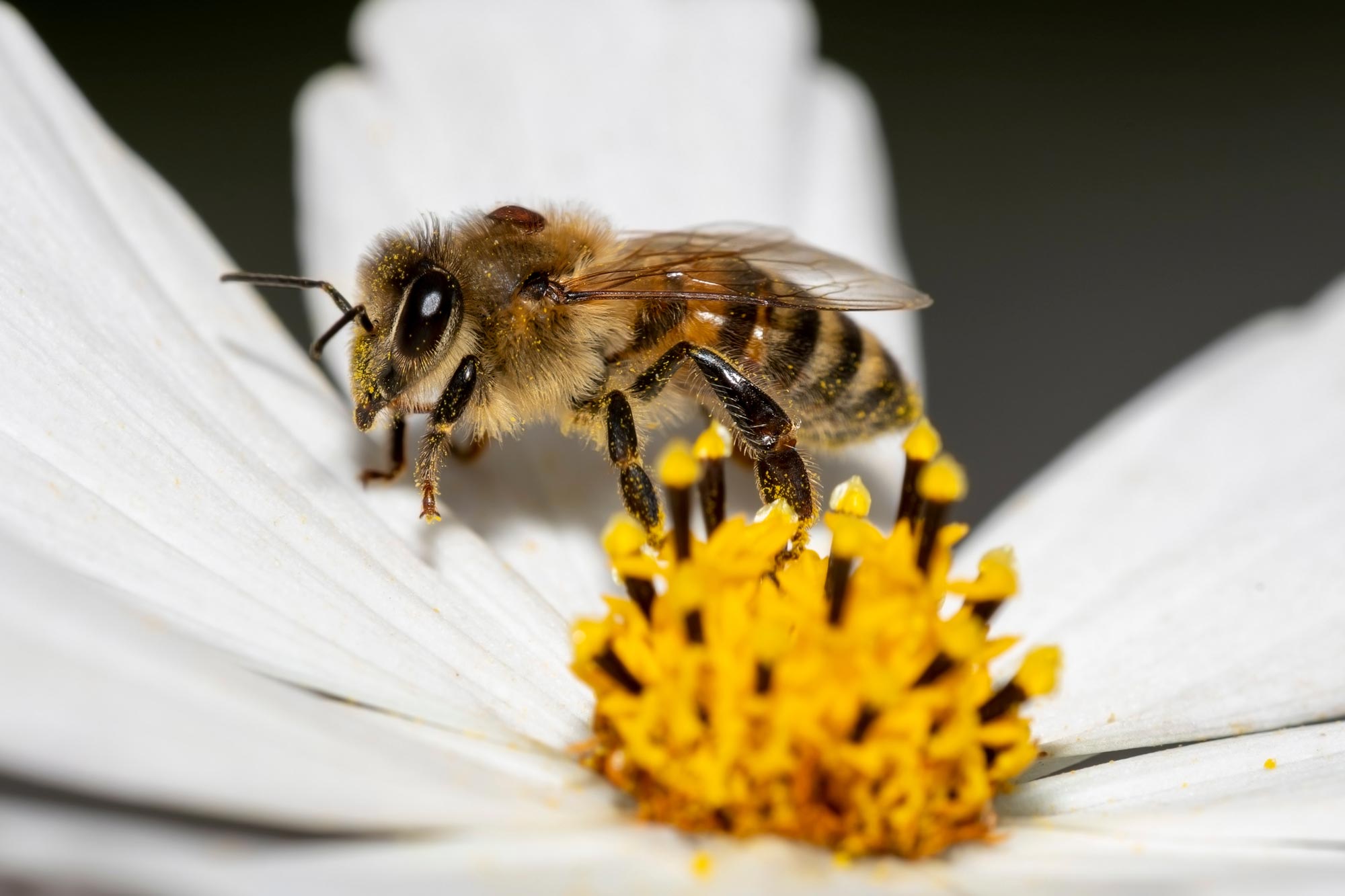
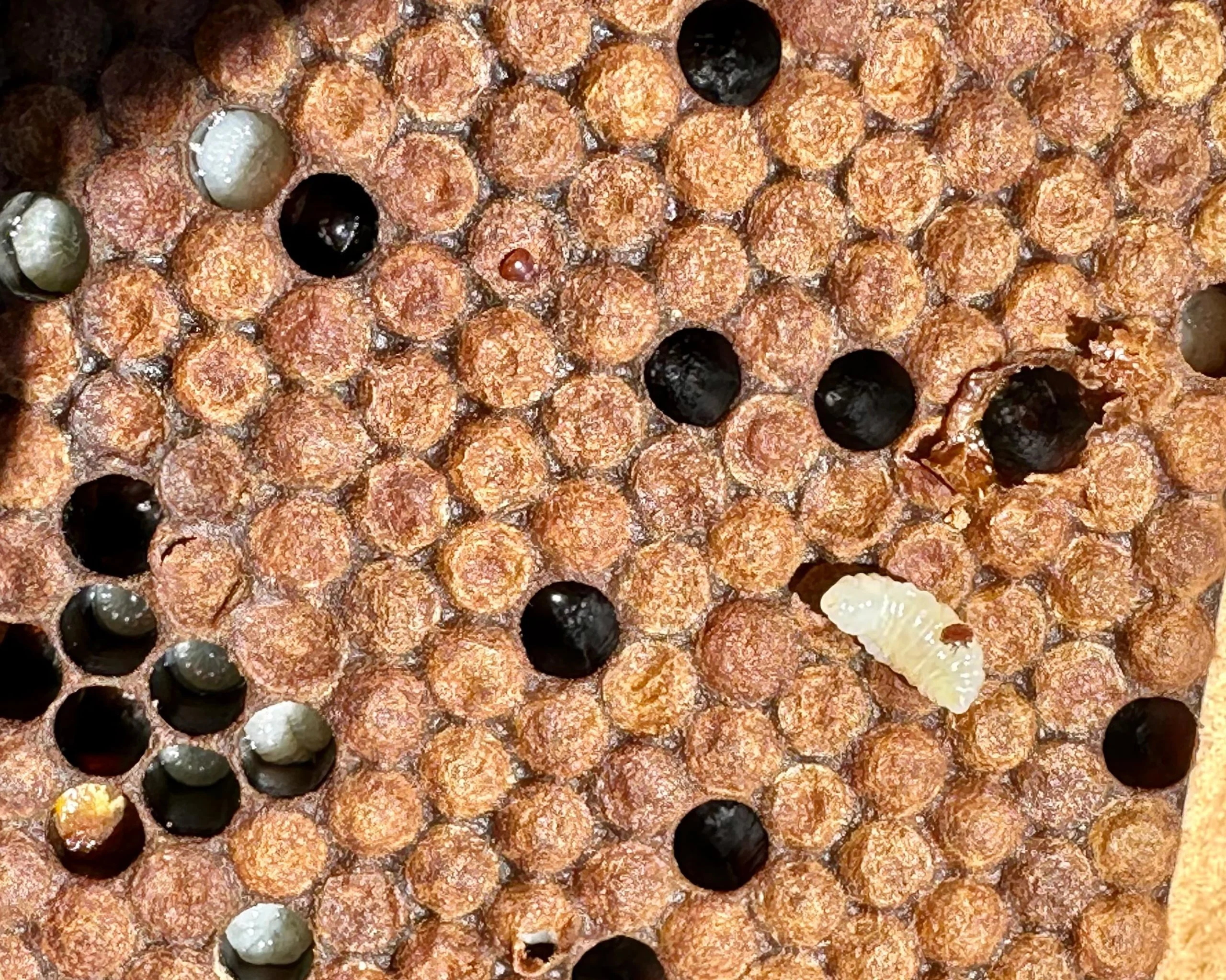
In recent years, U.S. beekeepers have reported losing up to 62% of their managed bee colonies by 2025, a scale large enough to have a profound impact on agricultural production and food supply. The superposition of multiple factors such as pesticides, climate stress, habitat shrinkage, and parasites are important causes of bee colony decline. One of the most harmful is Varroa mites. Varroa mites feed by feeding on bees' fat body tissue, which is responsible for immune defense, energy storage and overall health functions, similar to the "liver, pancreas and immune system complex" in humans. Affected bees often lose weight, weaken disease resistance, and shorten their lifespan. At the same time, Varroa mites will also directly inject deformed wing viruses, acute bee paralysis viruses, etc. into the bees during the feeding process, further accelerating the collapse of the bee colony.
To control Varroa mite infection, beekeeping has long relied on chemical agents, but the effectiveness of these methods is facing diminishing risks. In stark contrast, a colony of hybrid bees living in Southern California was able to maintain low mite levels over the long term without completely eradicating Varroa mites. Genesis Chong-Echavez, the first author of the study and a graduate student at the University of California, Riverside, said repeated feedback from local beekeepers that these California bees are still surviving well under conditions with minimal drug treatment prompted the scientific research team to conduct a systematic evaluation to clarify the reasons behind it.
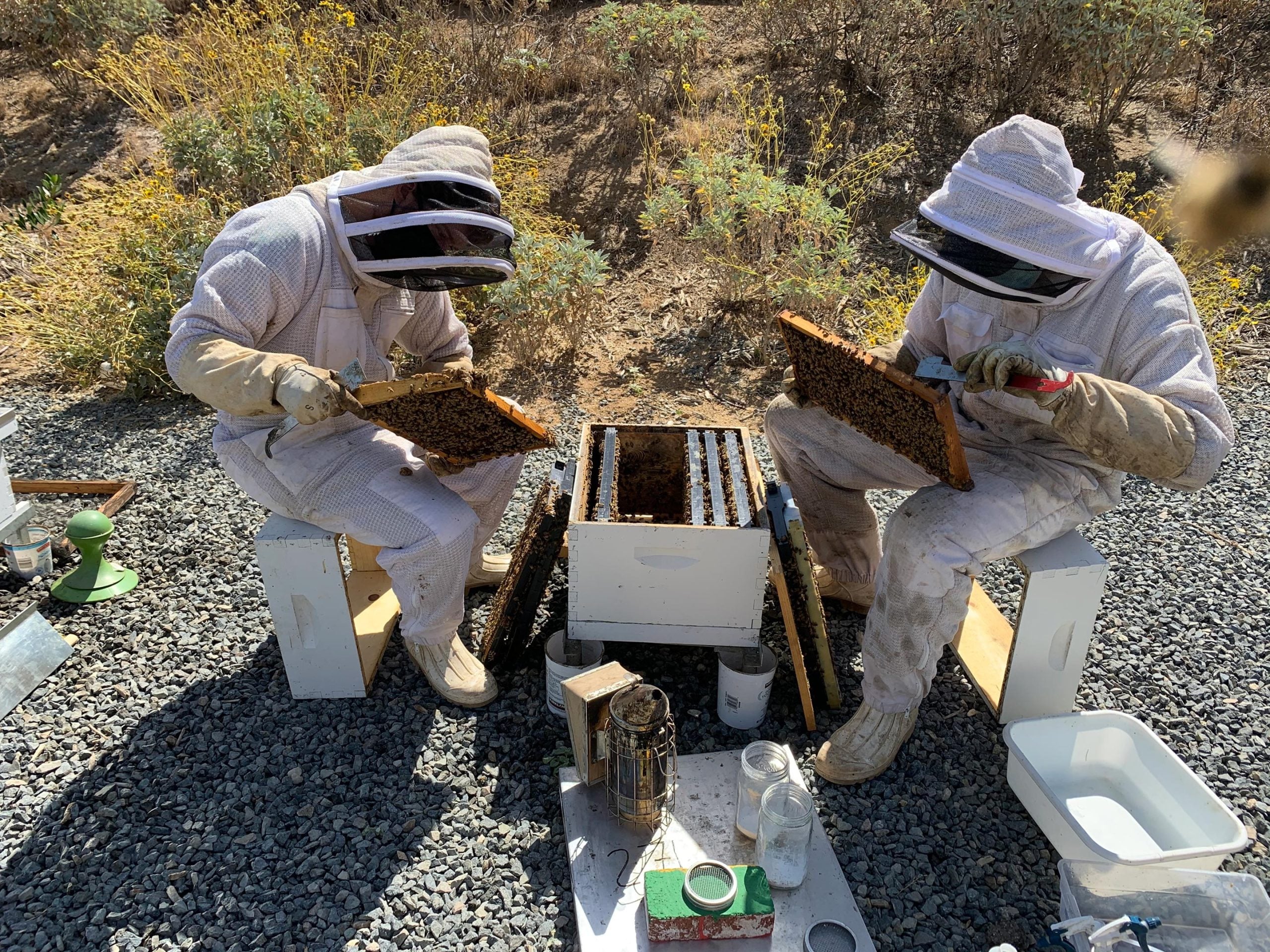
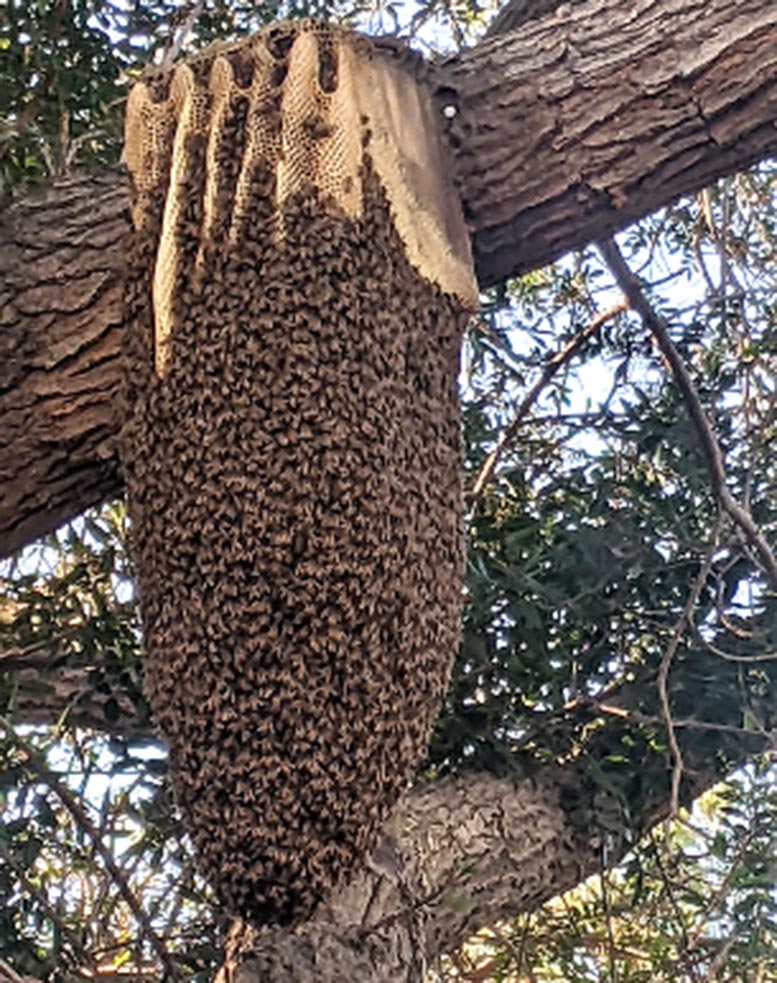
The research team is affiliated with the University's Center for Integrated Bee Research (CIBER) and conducted long-term monitoring of 236 bee colonies from 2019 to 2022. The results showed that the number of Varroa mites in bee colonies led by locally bred hybrid queens was about 68% lower on average than in colonies using commercial queens. In addition, these hybrid bee colonies were more than five times less likely to develop infection levels that would require medical intervention than commercial bee colonies. The study pointed out that this hybrid group is not a commercially selected strain, but a genetically diverse population gradually formed in the wilds of Southern California, a considerable part of which originated from wild bee colonies inhabiting natural environments such as tree holes. Previous genetic studies have shown that this group can be traced to at least four different lineages, including African, Eastern European, Middle Eastern and Western European bees, providing a rich genetic basis for their adaptations.
In order to further explore the anti-mite mechanism, the researchers also conducted a behavioral preference test on bees in their larval stage in a laboratory environment. Varroa mites usually choose to breed in brood chambers before and after capping, so the "attraction" of the larvae to the mites is one of the key factors. Experimental results show that compared with larvae from commercial bee colonies, Varroa mites' "preference" for larvae from California hybrid bee colonies is significantly reduced, especially on the seventh day of larval development, a critical time point when Varroa mites are most commonly invaded. Chong-Echavez noted that what surprised her most was that the differences were apparent in the larval stage, which means the resistance mechanism is likely rooted in the genetic or physiological characteristics of the bees themselves, rather than just behavioral differences in adult workers.
The research team believes this finding has implications far beyond Southern California. Bees provide pollination services for billions of dollars worth of crops every year, but are facing environmental pressures and continued decline around the world. The natural anti-mite characteristics exhibited by hybrid bees in Southern California suggest that people can explore beneficial traits from natural populations and explore new ways to reduce reliance on chemical agents in breeding and management through in-depth research on genetics, behavior, and chemical signals.
Boris Baer, co-author of the paper and professor of entomology at the University of California, Riverside, emphasized that this study also highlights the important role of front-line beekeepers who have been dealing with bee colonies for a long time. This scientific question, he says, did not arise from a laboratory hypothesis but rather emerged from numerous interactions with beekeepers, who were not only observers but also largely involved in shaping the core questions of the study. The researchers also reminded that the current California hybrid bees are not completely mite-free, and they do not recommend that beekeepers immediately abandon current control measures. Current work is focused on identifying key traits in these bees that help maintain low mite levels and assessing their potential for use in future breeding programs.
In the next stage, the team will focus on the genetic factors, behavioral characteristics, and chemical signals released by larvae that may affect Varroa mites' feeding and reproduction, in order to clarify why these larvae are less "attractive" to Varroa mites. Chong-Echavez said that at a time when pollinators are generally declining around the world, this study at least sends a relatively optimistic signal: the solution may have quietly appeared in the fields, and all humans have to do is seize the time to understand and make good use of it.