The Illinois General Assembly passed a landmark bill on Wednesday that, if signed into law by the governor, would set new standards for regulating the nation's top artificial intelligence companies.The bill, numbered SB 315, passed the House of Representatives with a vote of 110 to 0, and the Senate also passed the bill with a vote of 52 to 5 on Thursday. The Legislature now has 30 days to send the bill to Governor J.B. Pritzker, who has said he will sign it.
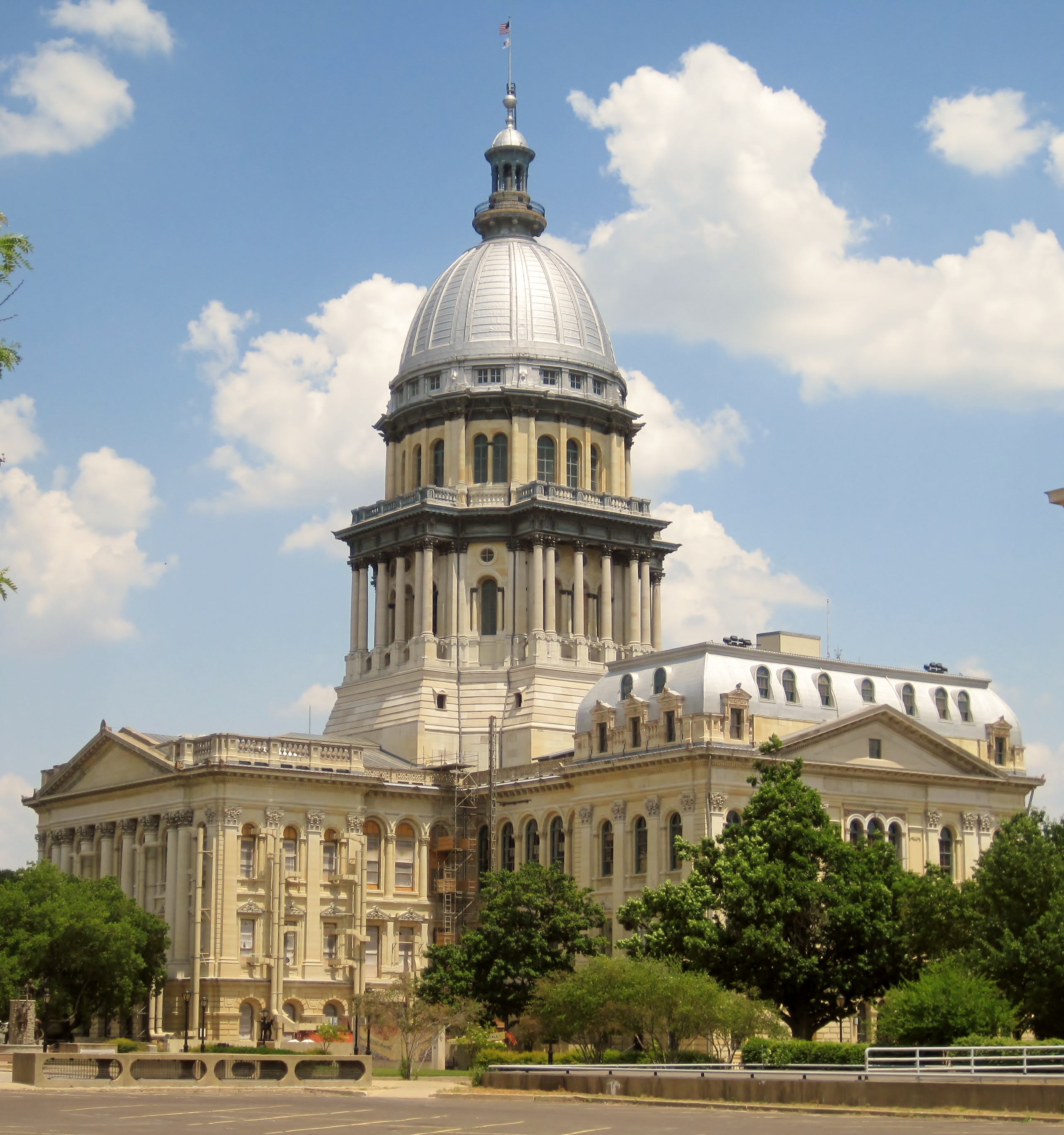
The bill draws on existing legislation in California and New York to require cutting-edge artificial intelligence companies like OpenAI and Anthropic to develop, publish and annually update plans to deal with serious or catastrophic risks that their AI models may pose. More importantly, the bill will also mandate that these companies undergo annual independent third-party audits on security issues, which is the first time in the history of U.S. artificial intelligence legislation.
Democratic Congressman Daniel Didyk, the sponsor of the bill in the Illinois House of Representatives, said before the vote on Wednesday afternoon that artificial intelligence technology is one of the most significant innovations in human history. He pointed out that this technology will make people healthier, improve the quality of life, and increase productivity, but at the same time these tools are very powerful and there are potential risks. Didek said the legislation is intended to put in place some guardrails and safeguards to protect against the worst catastrophic risks.
In addition to requiring independent third-party audits and disclosure of security plans, SB 315 would establish whistleblower protections and reporting processes for employees of artificial intelligence companies. OpenAI and Anthropic, two of the largest U.S. artificial intelligence companies, have publicly expressed support for the bill, while an industry group representing other artificial intelligence companies has expressed opposition. Google, xAI and Meta have yet to comment.
OpenAI spokesperson Jamie Radice said in a statement that the Illinois Legislature has shown true bipartisan leadership in advancing SB 315 and developing a thoughtful framework for cutting-edge artificial intelligence safety. Cesar Fernandez, Anthropic's director of state and local government relations, celebrated the bill's passage by saying that with strong bipartisan support, Illinois is expected to become the first state to require independent third-party audits of the security practices of large, cutting-edge artificial intelligence developers.
In recent years, many AI policy experts, legislators, and civil society groups across the country have been advocating for AI legislation at the federal level as AI systems have become more powerful and ubiquitous. However, Congress has yet to make substantial progress on crafting nationwide rules, with lawmakers divided over which risks to address and how to address them. Didek told NBC News that states shouldn't have to take on the job and that the best way to regulate such catastrophic risks would be at the federal level. The reality, he said, is that Congress has not yet taken up the issue, and the technology is advancing so quickly that states have no choice but to step in.
The White House strongly opposes provisions similar to SB 315, arguing that such regulation could tie the hands of the U.S. artificial intelligence industry and require companies to comply with cumbersome and confusing state-level regulations. The bill's passage comes just days after President Donald Trump decided at the last minute not to sign a planned executive order that would have established a voluntary safety testing framework for the nation's leading artificial intelligence companies. The draft executive order would have allowed government agencies to conduct safety reviews of advanced artificial intelligence models before they are released publicly, according to two people familiar with the matter.
The bill provides that companies will face civil penalties if they violate the new law. If the bill is signed, it will take effect on January 1, 2027.