NASA said that the planned "Nancy Grace Roman" space telescope is expected to discover about 100,000 more exoplanets on the existing basis, thereby rewriting mankind's understanding of the distribution and evolution of planets in the Milky Way. At present, with the help of NASA and other observation projects, humans have confirmed close to 6,300 exoplanets, and the "Roman" telescope will conduct large-scale sky surveys in areas of the Milky Way that have rarely been covered before, significantly expanding this "interstellar planet list."
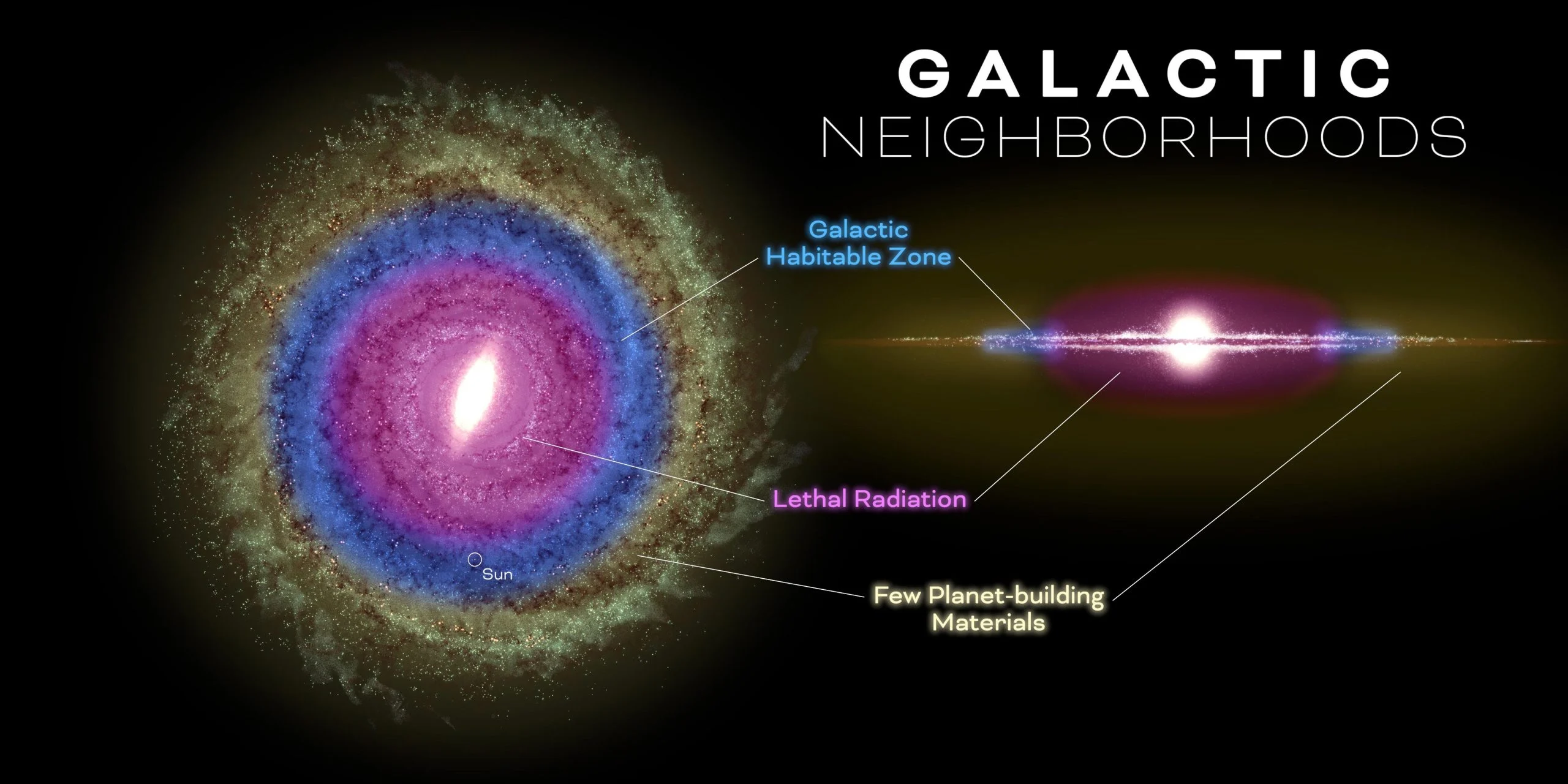
The scientific research team pointed out that most of the exoplanet discoveries in the past have been concentrated near stars in the "local neighborhood" of the Milky Way within a few thousand light-years from the Earth, and "Roman" will set its sights further away, focusing on observing the dense "core bulge region" in the center of the Milky Way, and extending to the outer edge of the far side of the Milky Way disk. Elisa Quintana, a researcher at NASA's Goddard Space Flight Center who is in charge of preparations for the Roman mission's exoplanet transit observations, said, "There are diverse environments within the Milky Way, but only our small area has been systematically explored." "Roman" will be the first to systematically compare the formation and distribution of planets in different environments at a scale that spans multiple "galactic niches."
According to the mission plan, "Roman" will continue to look for clues about planets by continuously monitoring changes in the brightness of millions of stars. Some of the observations are based on the "transit method" - when a planet passes in front of its parent star, it will cause a very weak and temporary decrease in the brightness of the star; another part relies on the "gravitational microlensing" effect - the gravity of the foreground star and its planet will temporarily amplify the light of the more distant background star, making it appear brighter. The two methods have different sensitivities to different types of planets and will complement each other: the transit method is particularly good at discovering close-orbiting planets with large sizes, high temperatures, and short periods, while the microlensing technology is more suitable for finding targets with farther orbits and structures closer to planet-like systems in the solar system, and can detect celestial bodies as small as Earth-like planets or even smaller.
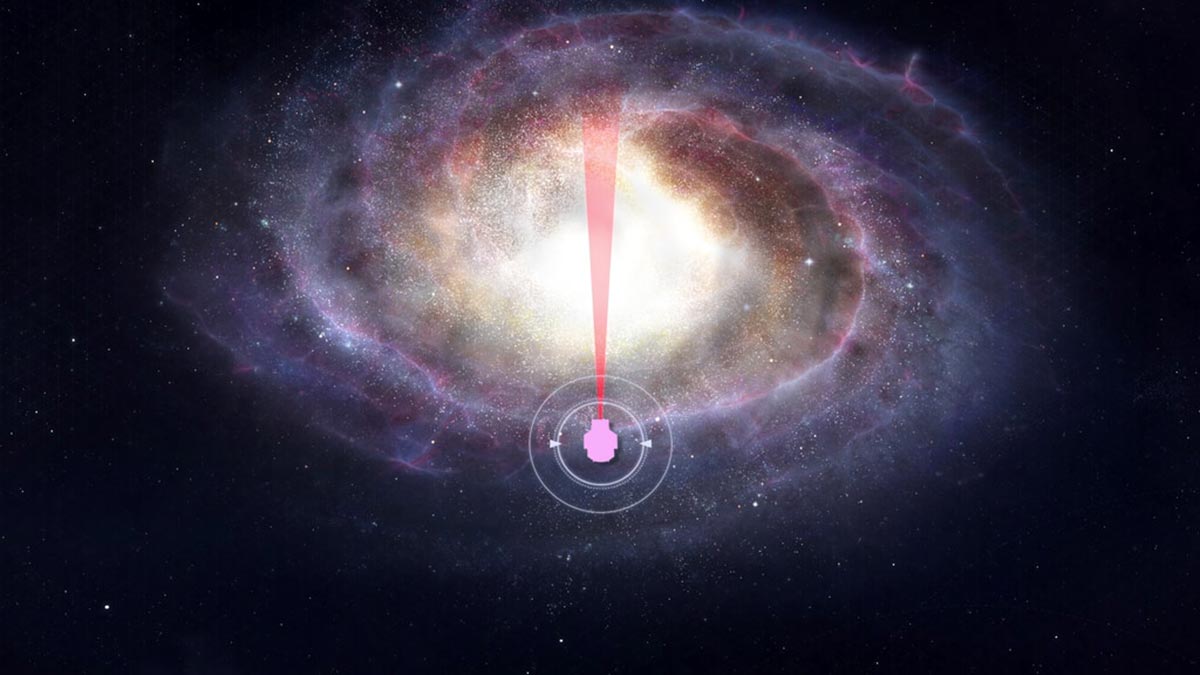
The mission team estimates that "Roman" is expected to discover about 100,000 planets through the transit method alone; while microlensing observations are expected to find more than a thousand additional new worlds, including planets located in the star's habitable zone or beyond. These worlds with lower temperatures far away from their parent star are almost difficult to detect by other methods, so they are still one of the most "blank" types of planets outside the solar system. By simultaneously carrying out transit and microlensing surveys, "Roman" is expected to outline an overall picture of planet formation and evolution on a galactic scale, including areas that may be similar to the environment at the origin of the solar system.
The scientific community generally agrees that differences in chemical environments in different regions of the Milky Way may have a profound impact on planet formation. Research shows that stars located in the outer disk of the Milky Way usually contain fewer heavy elements, while stars in the central bulge of the Milky Way are often older and rich in "star-making" elements such as silicon, oxygen, and magnesium. Astronomers refer to elements other than hydrogen and helium as "heavy elements". These elements are synthesized generation by generation inside stars and released into interstellar space through processes such as supernova explosions, gradually enriching subsequent stars and planetary systems. Studies have confirmed that the higher the content of heavy elements in a star, the greater the probability of planets appearing around it, especially giant planets are more common. Therefore, if "Roman" can systematically compare the relationship between the chemical composition of stars and the abundance of planets in different regions of the Milky Way, it will help answer a key question - whether planetary systems similar to the solar system are common in the Milky Way, or are relatively rare.
Judging from the structure of the Milky Way, the Sun is currently located about 27,000 light-years away from the center of the Galaxy, in the middle of the outside of a spiral arm. Scientists speculate that the solar system may have been closer to the center of the Milky Way than it is now, about 10,000 light-years away, and then gradually migrated outward to its current orbital position during the long process of evolution. One important piece of evidence for this migration trajectory comes from the sun's chemical composition: its heavy element abundance is closer to that of inner disk stars than to the more depleted outer disk stars. By observing a larger sample of stars and planetary systems, "Roman" will provide more statistical basis for similar "orbital migration" hypotheses.
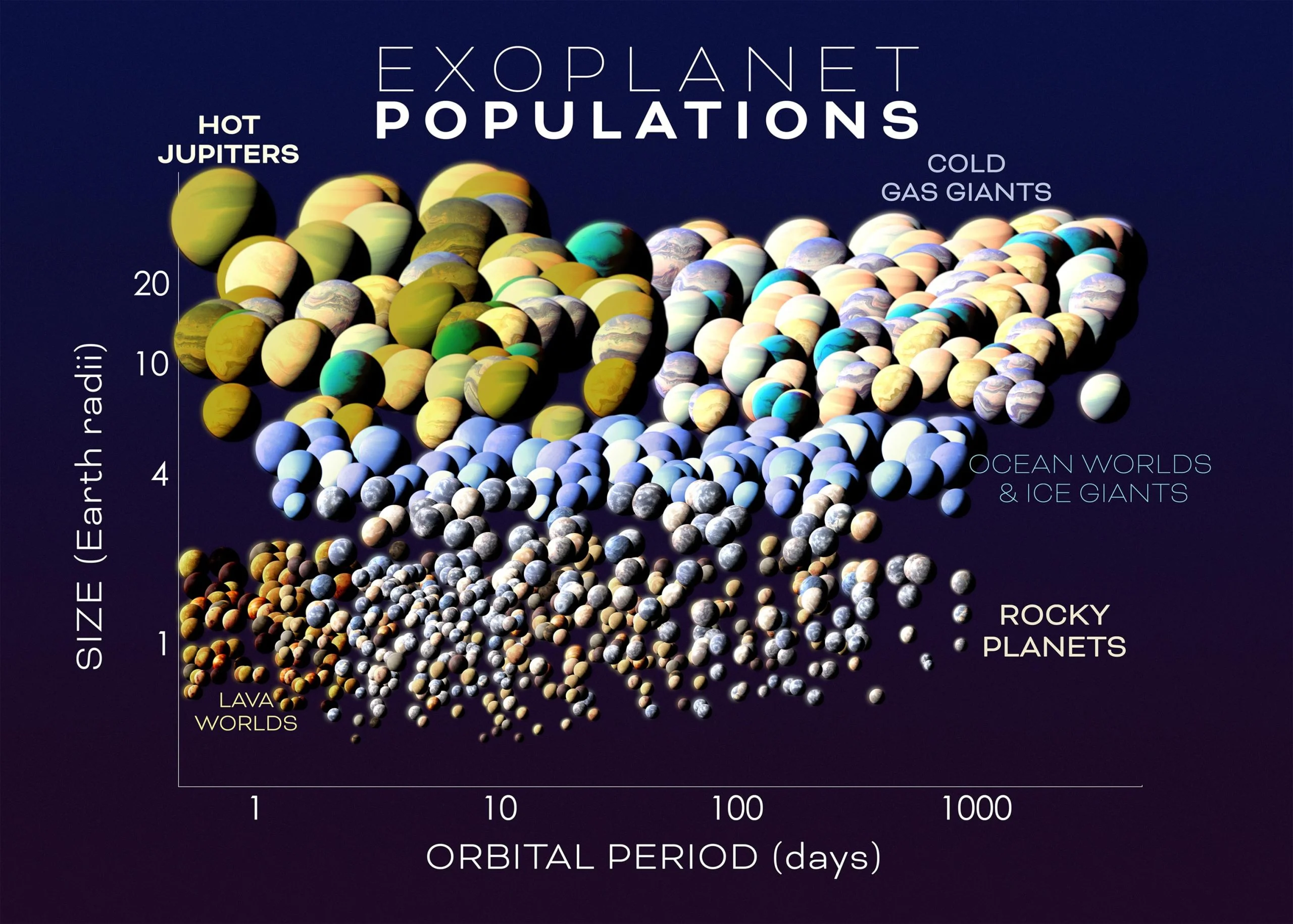
In addition to discovering planets, Roman is expected to provide unprecedented wide-area data in the study of planetary atmospheres and "alien weather." The researchers expect that the telescope will not perform in-depth spectroscopic analysis of the atmospheres of individual planets like the James Webb Space Telescope, but will instead map out an "atmosphere and climate database" across multiple planet types by counting changes in infrared radiation and brightness of thousands of transiting planets. Its infrared observation capabilities are particularly sensitive to "hot Jupiters" - these planets are similar in size to Jupiter and have a diameter about 11 times that of the Earth. However, their orbits are extremely close, their periods are only a few days, and their surface temperatures are extremely high, so they emit significant radiation in the infrared band. When a hot Jupiter occults or passes behind a star, the total brightness of the system will undergo a main transit and a smaller "secondary transit" light change. By analyzing the depth of the secondary transit and the brightness changes of the planet at different positions in its orbit, scientists can infer information such as the temperature difference between the day and night sides of the planet and the offset of the hottest area relative to the planet's centerline, thereby inferring its atmospheric circulation and heat transport characteristics.
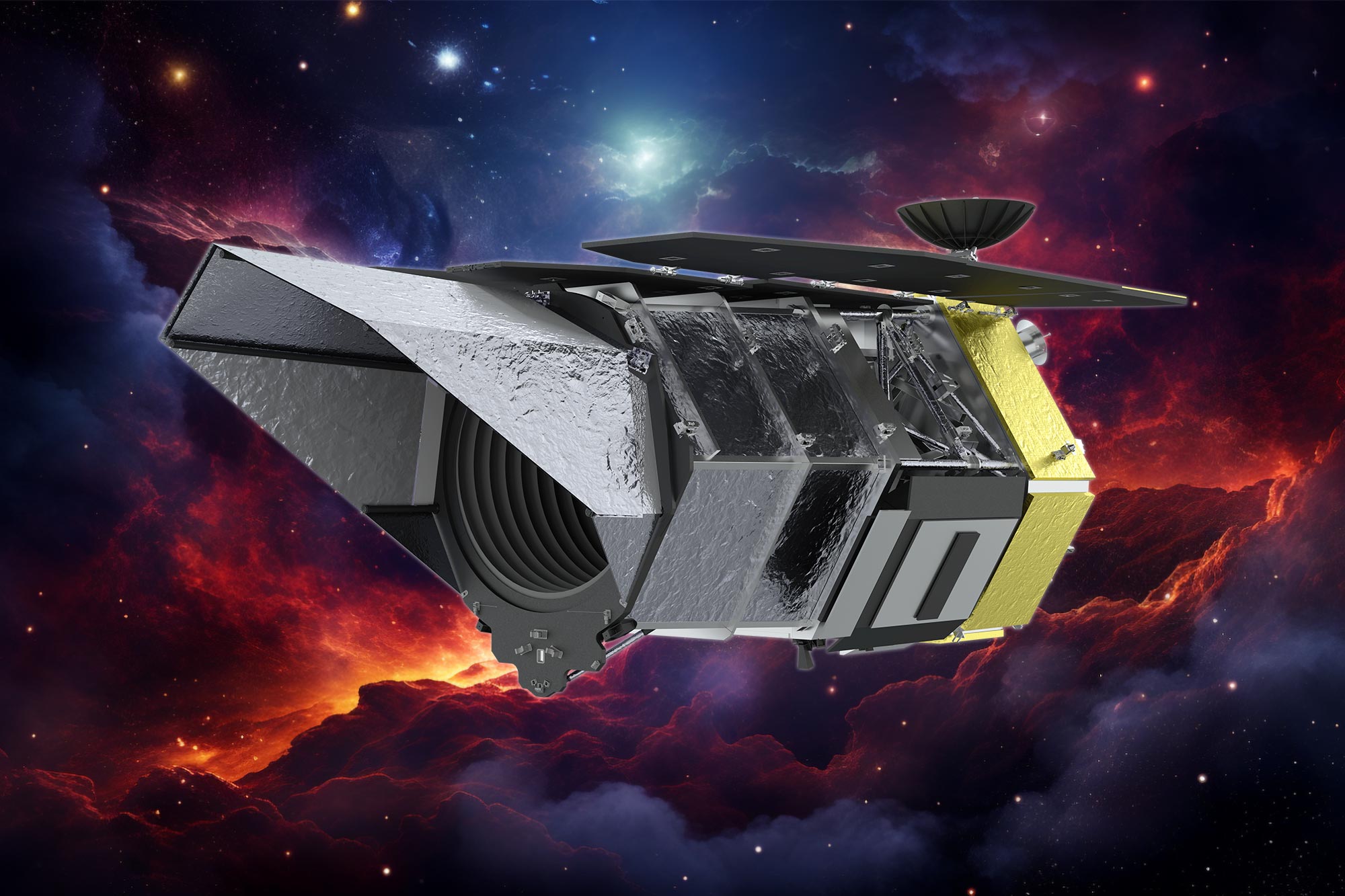
In terms of data processing, the "Roman" team has started simulated observations and algorithm training in advance. Researchers are building synthetic data, embedding simulated planetary signals, and using methods such as machine learning to train automated screening programs to distinguish real signals from false positives in transit and microlensing events. These preliminary preparations are designed to ensure that once the telescope is put into scientific operation, reliable planet searches and statistical analyzes can be quickly carried out when the massive data influx begins. It is worth noting that all the data collected by "Roman" will be open to the world, and both professional astronomers and public astronomy enthusiasts can participate in the discovery and research of new planets.
NASA scientists generally expect that the influence of "Roman" in the field of exoplanets will be comparable to or even surpass the "Kepler" space telescope more than ten years ago. At that time, "Kepler" through long-term, high-precision monitoring of about 100,000 stars, statistically proved for the first time that "planets are more common than stars", completely changing mankind's understanding of the overall distribution of planets in the Milky Way. The "Roman" galactic bulge time-domain survey plan will observe about 100 million stars, covering a large number of areas that have rarely been systematically searched before, and is expected to form a basic large-sample data set, laying a benchmark for the study of exoplanets and galactic evolution in the next few decades. As Jorge Martínez-Palomera, a NASA Goddard astronomer who participated in the preparations for the mission, said, this sky survey will "once again reshape our understanding of other worlds and humanity's place in the universe."