The British government is reportedly preparing a new law to require technology companies such as Apple and Google to ensure that minors are not exposed to any nudity in their products and services. Otherwise, relevant company executives may face up to five years in prison. The new regulations not only cover nude images on social media, but also sexual scenes in film and television works, and are intended to cut off children's access to inappropriate content at the device and platform levels.
This move is seen as a strong upgrade to the existing Online Safety Act, which as well as some U.S. state laws have pushed Apple to add an age verification mechanism to the system. According to the Times, British ministers plan to formally announce that they will require technology companies to "make it technically impossible for children to see any nudity" and give authorities for the first time the power to take "responsible persons" of companies that do not meet standards to court and impose prison sentences of up to five years.
In fact, whether to introduce criminal liability has been debated within the UK for a long time. The government has been reluctant to advance due to concerns about its relationship with large technology companies. Jess Phillips, the former child protection minister at the Home Office, resigned in May this year due to the government's indecision. In her resignation letter to Prime Minister Keir Starmer, she bluntly stated that it took her a year to get the government to be willing to "even just threaten legislation", but the official announcement was repeatedly delayed, making her question whether the authorities really paid attention to child safety.
Civil rights and privacy organizations have expressed strong concerns about this trend, believing that although the relevant ideas are well-intentioned, they may come at the expense of everyone's privacy. Silkie Carlo, director of the civil rights group Big Brother Watch, warned that such plans mean that everyone will have to verify their identity when using mobile phones, tablets and computers in the future. Technology and family and parental responsibilities will be replaced by a performative and authoritarian government control, and children can easily bypass restrictions by using adult devices.
She also pointed out that if broader technical restrictions were imposed on instant messaging, video streaming and web browsing, it would be equivalent to installing "spyware" in everyone's pocket, and sooner or later these systems would be used for other purposes. In her view, this will pose long-term risks to the digital privacy and free speech of ordinary people.
In contrast, the National Society for the Prevention of Cruelty to Children (NSPCC) in the UK welcomed the plan and believed that it is time to urge technology companies to make good use of existing technological means to protect young people. Rani Govender, a representative of the agency, said that companies should "do all they can" to ensure the safety of minors online and deploy existing technical features on mobile phones used by children to automatically block nudity images.
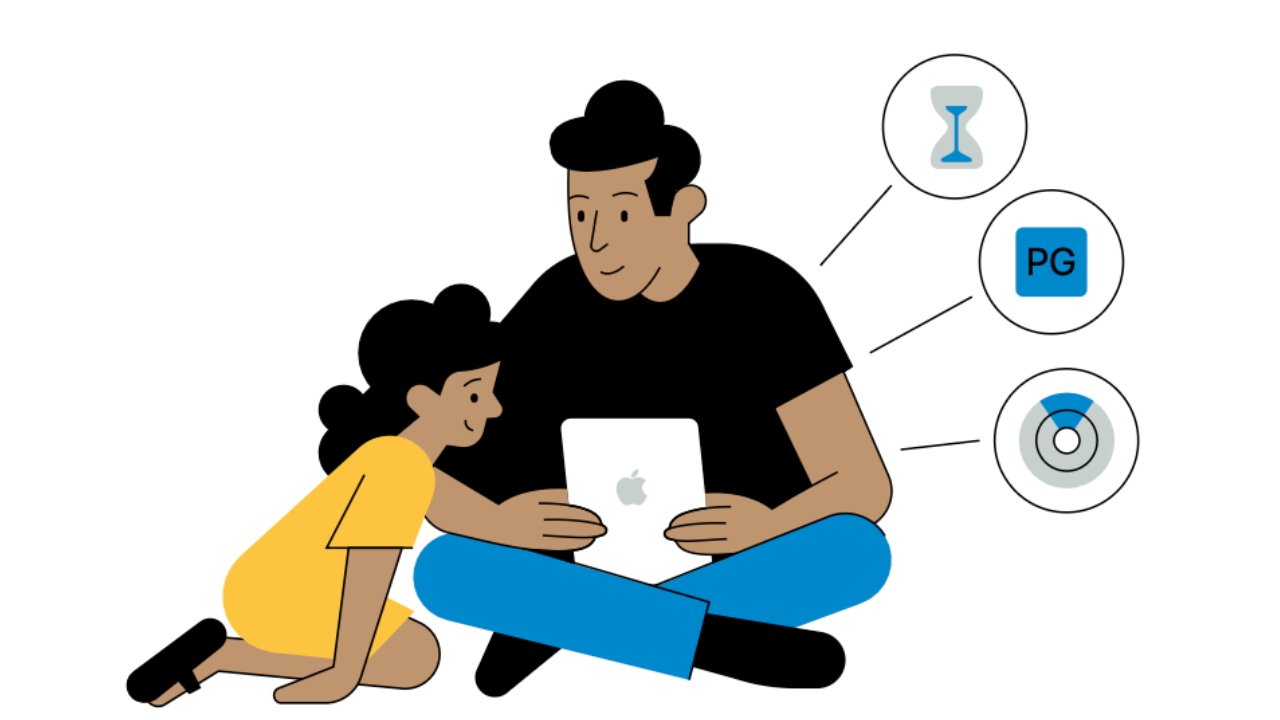
In fact, Google and Apple have launched a number of child protection features in recent years, such as parental controls and application ratings. Apple will begin to launch a package of minor protection measures in phases in February 2025, including filtering apps and content visible to children through the age rating of the App Store.
Apple had previously announced a plan to detect child sexual abuse material (CSAM), but ultimately halted the plan amid criticism from privacy groups. Before the UK officially announces the latest legislative text, it is still unclear whether the existing mechanisms of Apple and other companies will meet future regulatory requirements, and it is also difficult to judge how the law will deal with minors actively evading protective measures.
Precedent has shown that technological blockades are often accompanied by "cat-and-mouse game"-style evasive behavior. After the UK began blocking adult websites in 2025, virtual private network (VPN) usage surged, with Proton VPN reporting a 1,400% surge in subscriptions during the early stages of the blockade. This phenomenon is also regarded as the realistic background that all parties must face when designing new regulations.