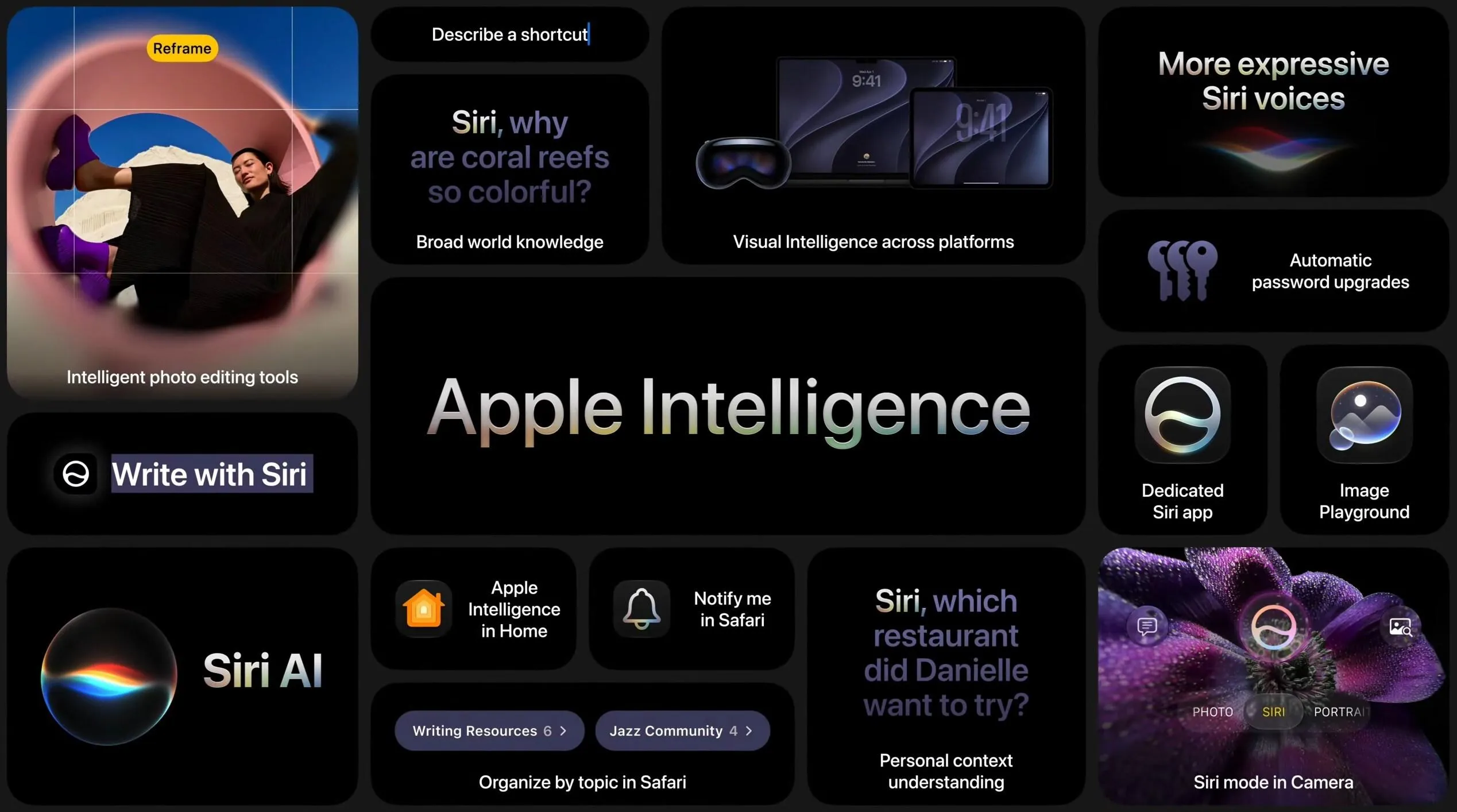
At this year's Apple Worldwide Developers Conference (WWDC 2026), Apple officially released a new generation of Siri AI and a new round of artificial intelligence functions built around "Apple Intelligence" in an attempt to give this smart assistant a "second chance." Two years ago, Apple first proposed to use Apple Intelligence to build a smarter Siri, but the related capabilities have not yet been fully implemented. Now the company is starting again with a new solution that is more personalized and system-level integrated.
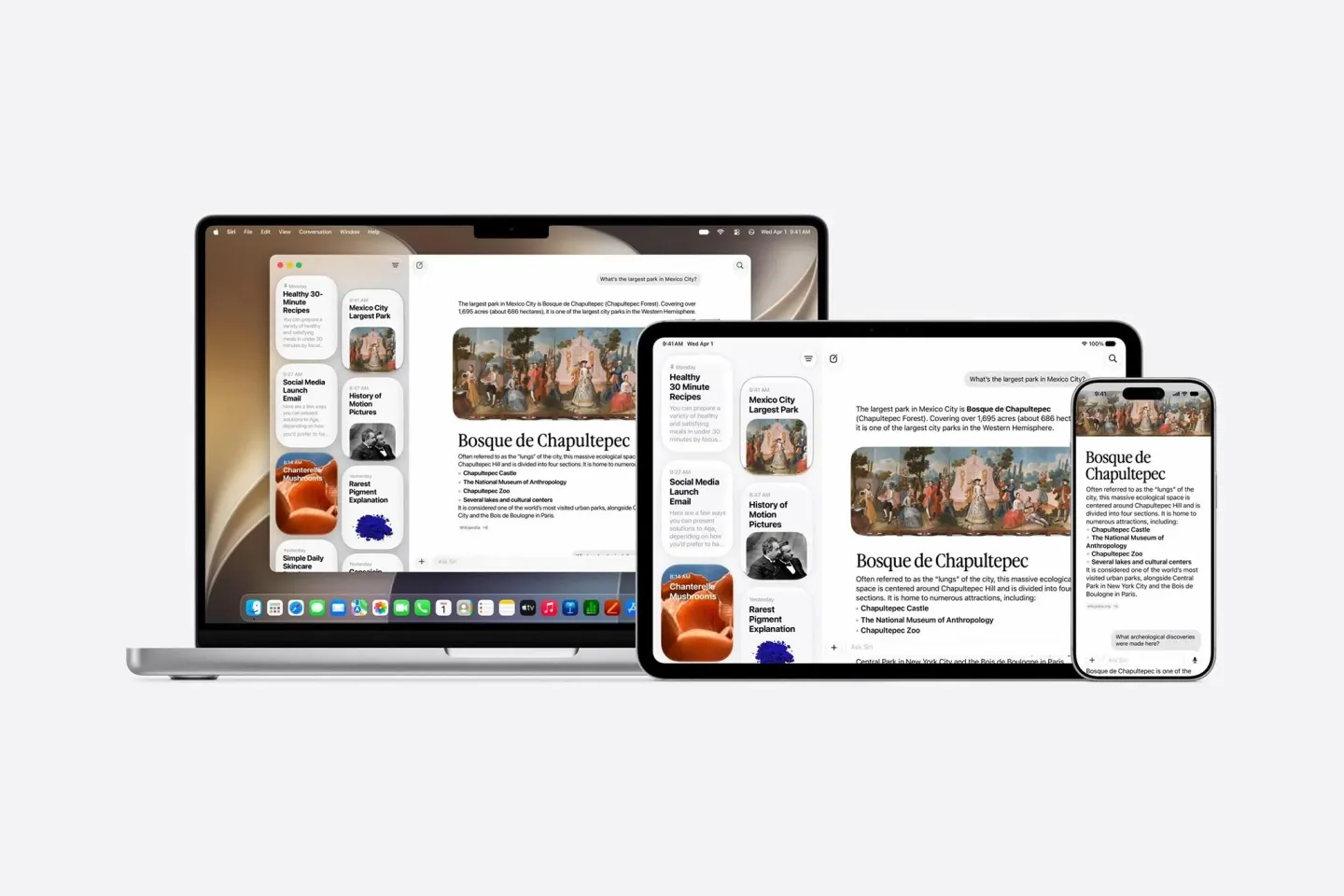
Apple calls the Siri AI launched this time a "completely new version of Siri", emphasizing that its conversation methods and functional depth have been greatly improved compared to before. At the level of voice interaction, the voice of the new version of Siri is more expressive. Users can adjust the speaking speed, emotional expression and accent according to their own preferences to obtain a more natural communication experience that is closer to personal usage habits.
At the system integration level, Siri AI will appear on various Apple devices as a system-level entrance, capable of "understanding" screen content and interacting with applications. Craig Federighi, Apple's senior vice president of software engineering, emphasized at the press conference that the entire design "puts privacy at the core at every step" and that relevant requests are either processed locally on the device or executed in the cloud through Apple's "Private Cloud Compute" to minimize user data exposure.
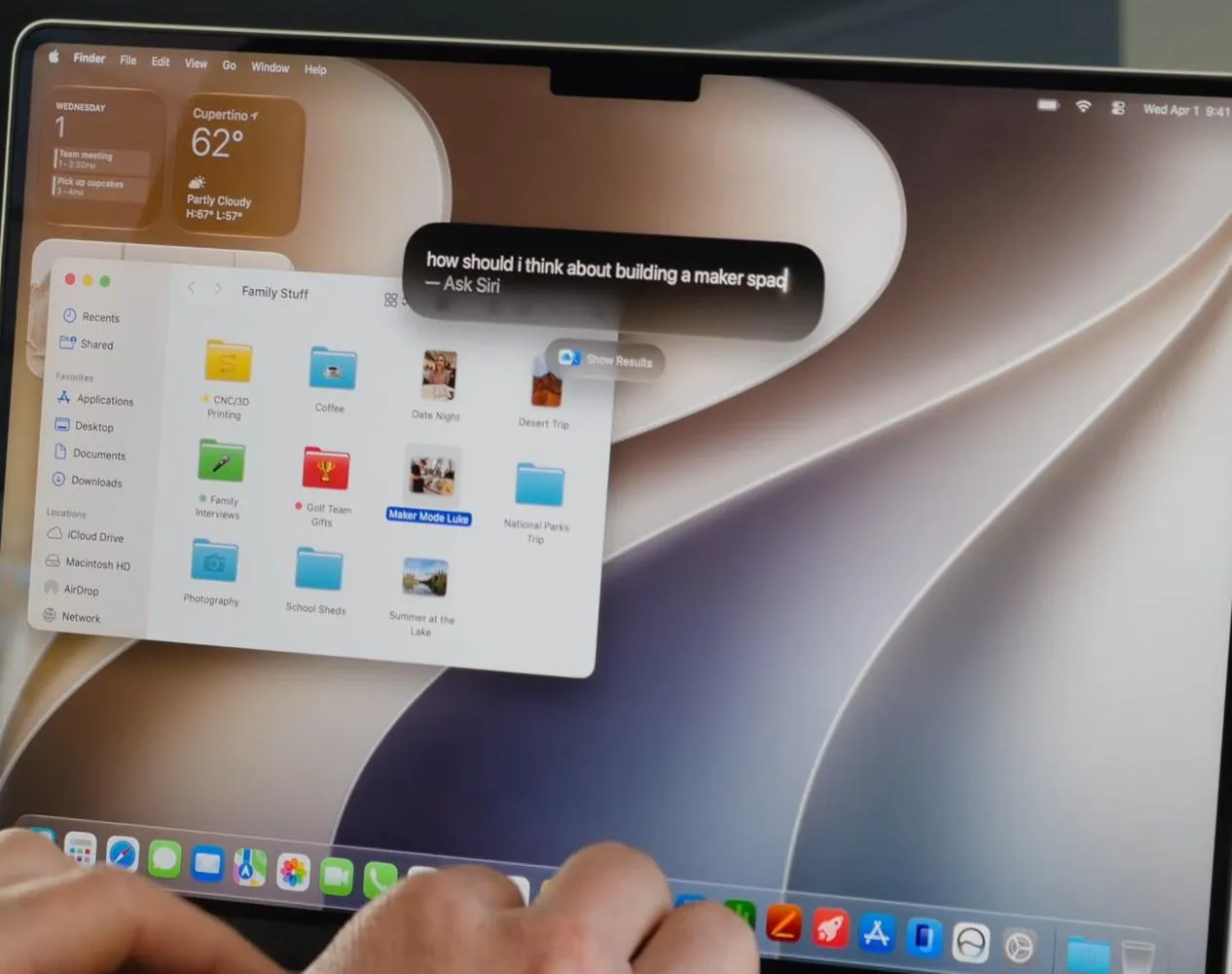
The new generation of Siri AI will cover all major products such as iPhone, iPad, Mac, Apple Watch and Vision Pro. On iPhone, in addition to continuing the existing method, users can also swipe down from the "Smart Island" area to call Siri; on Mac, they can quickly access it through the Spotlight portal; Vision Pro users only need to look at the newly designed Siri visual icon in the interface - a light ball suspended in the field of vision - to initiate a conversation without saying "Hey Siri".
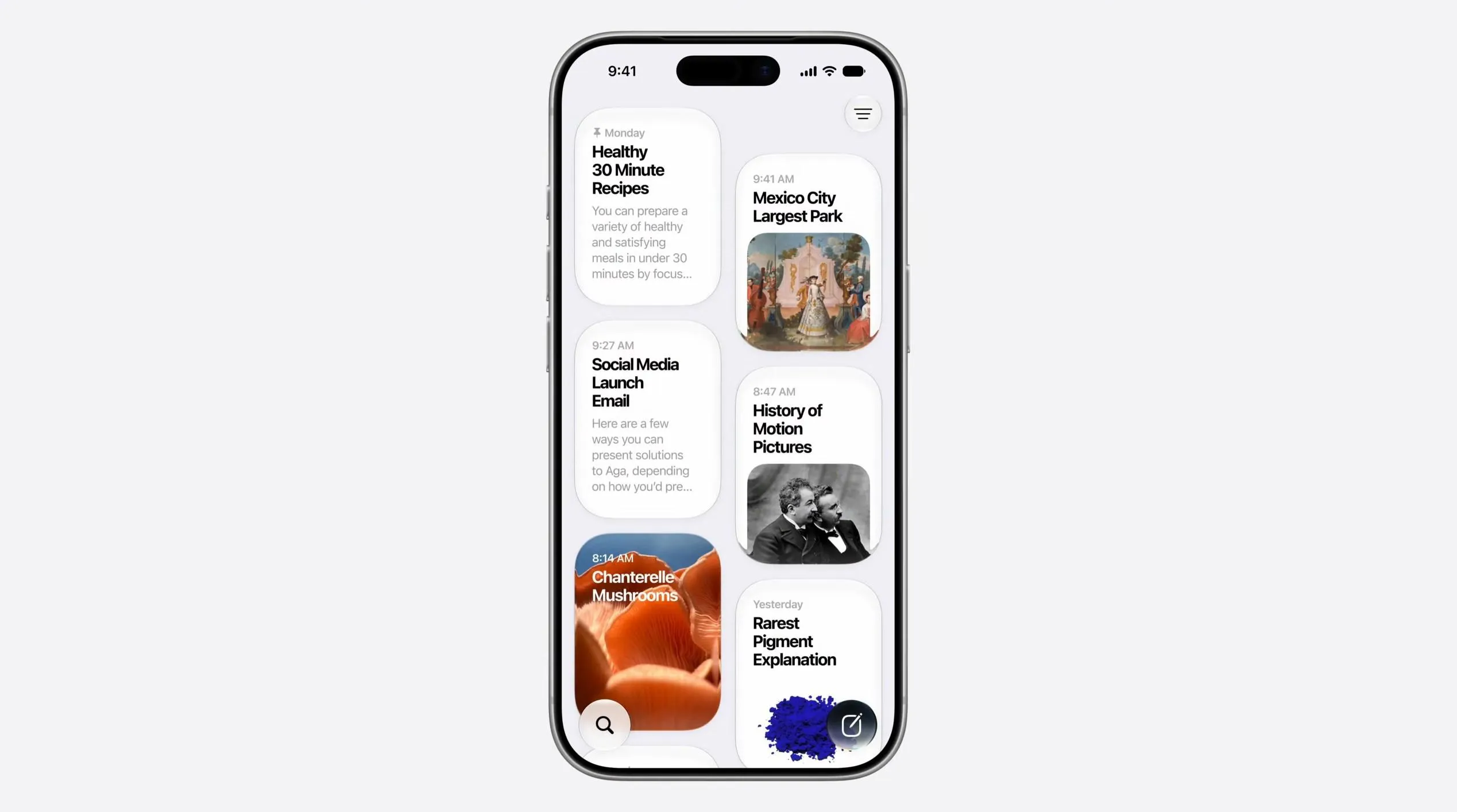
It is worth mentioning that Siri appears as an independent application for the first time, and its interface form is similar to current mainstream AI chatbot applications (such as ChatGPT, Claude, Gemini, etc.). The application supports both text and voice dialogue methods, and retains complete historical records, allowing users to review previous interaction content at any time, continue the context, and form an experience similar to "continuous dialogue".
Through this round of updates, Apple is trying to re-establish Siri’s position in the competition between generative AI and smart assistants, upgrading it from a traditional voice assistant to a universal AI portal that is deeply embedded in the system and has stronger understanding and execution capabilities. Under the premise of emphasizing privacy protection, Apple hopes to use the combination of Siri AI and Apple Intelligence to create a differentiated intelligent experience for its own hardware ecosystem to cope with the increasing pressure of industry competition.