Microsoft recently admitted that last year's massive price increase for the Xbox Game Pass subscription service directly led to the loss of "millions" of subscribers within a few months, forcing the company to lower prices again this year to restore player confidence and subscription scale. In an interview with Game Business Live during this year's Summer Game Festival, Microsoft's newly appointed Xbox Chief Strategy Officer Matthew Ball reflected on the Game Pass price increase that started in October last year.
At that time, the monthly fee for Game Pass Ultimate was raised from US$19.99 to US$29.99, an increase of 50%; PC Game Pass was also raised from US$11.99 to US$16.49, an increase of nearly 40%.
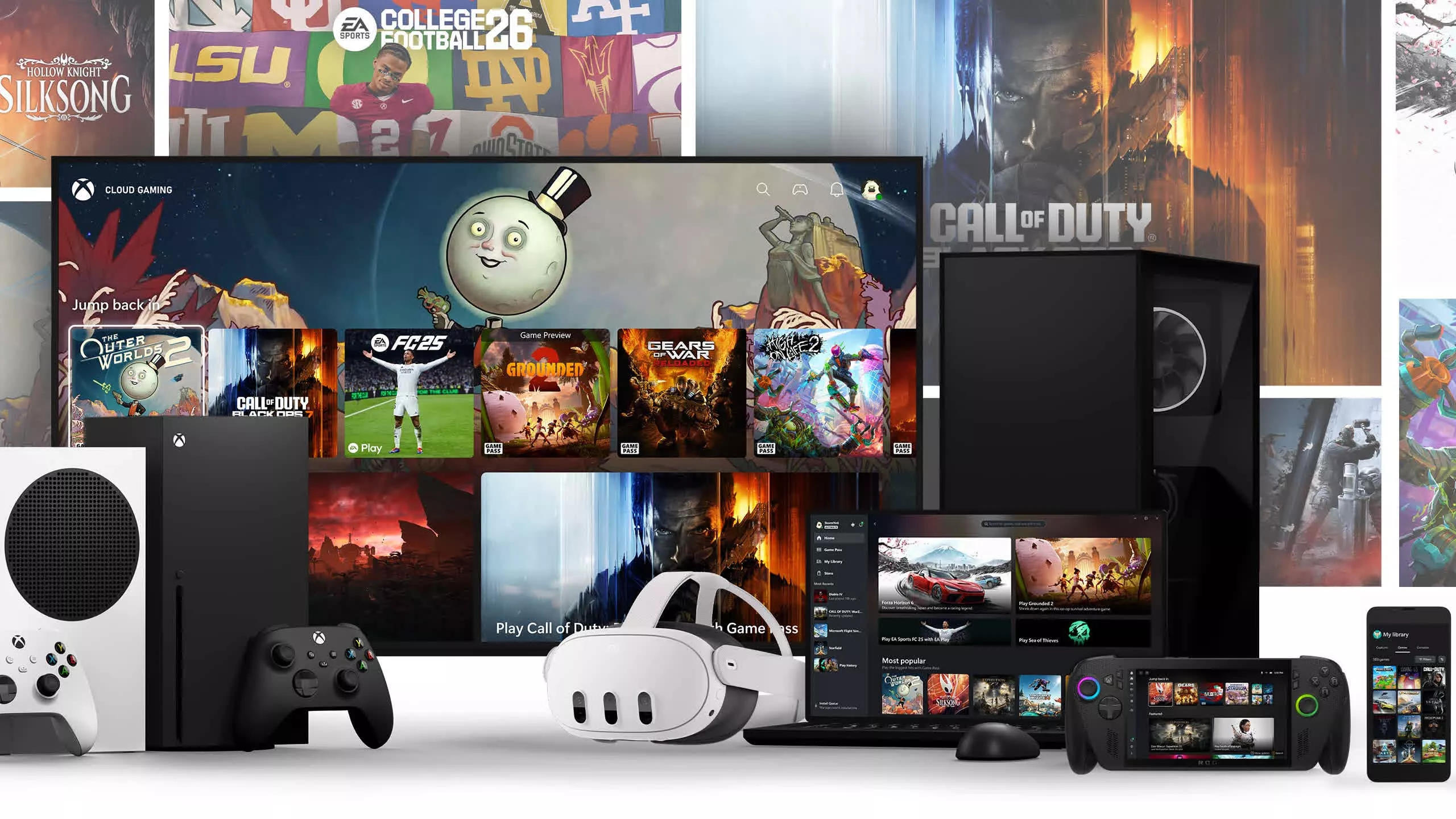
The drastic price increase soon triggered a strong backlash from players. A large number of users chose to cancel their subscriptions on the eve of the price increase taking effect, and even once squeezed the relevant pages of Microsoft's official website to the point where they could not load properly. Ball revealed that the "millions" of subscribers who left Game Pass in the months after the price increase was announced had a significant impact on the Xbox subscription business.
In April, new Xbox CEO Asha Sharma admitted in an internal memo that Game Pass pricing had "become too expensive" and said the company planned to lower the price. In the following weeks, Microsoft successively lowered the prices of premium plans and PC subscriptions, bringing prices back to slightly higher than before the price increase last October, basically reversing most of the previous increases.
However, the price correction is also accompanied by content strategy adjustments. For players of the "Call of Duty" series, future new games will no longer be added to Game Pass on the first day of release, but will only be available on the subscription service about a year after they are released. This means that some users will need to make a trade-off between buying out the game and waiting a year to play through a subscription.
Amid doubts from the outside world, Sharma's leadership style and a series of business adjustments are gradually changing the atmosphere of public opinion. At the beginning of taking office, because she was mainly responsible for AI-related business and lacked a background in the game industry, many people worried that this was a signal that the Xbox brand was heading towards "euthanasia". Even some industry insiders, including Seamus Blackley, who led the design of the original Xbox in 2001, publicly badmouthed her, believing that she was only here to "die well" for the brand.
However, as the Game Pass price increase policy was quickly corrected, Sharma pushed Xbox to return to a console-exclusive strategy and stopped the Gaming Copilot AI function on Xbox and mobile game platforms that was criticized by players. These measures are winning her more and more recognition from core players and industry observers.
Ball said of the latest data that price cuts and strategic tweaks to Game Pass have begun to "impress" users. Sharma also previously told internally in May that the number of new Game Pass subscribers and the retention rate of existing users have increased, calling this "a good first step."
After experiencing the lesson of raising prices in exchange for short-term revenue but triggering massive unsubscriptions, Microsoft is now trying to re-find a balance between price, content and long-term brand value.