According to multiple media reports in the United States, DJI and Osmo filed a patent infringement lawsuit against Insta360 and its affiliates in the Federal District Court for the Eastern District of Texas on June 10 and 11, local time.
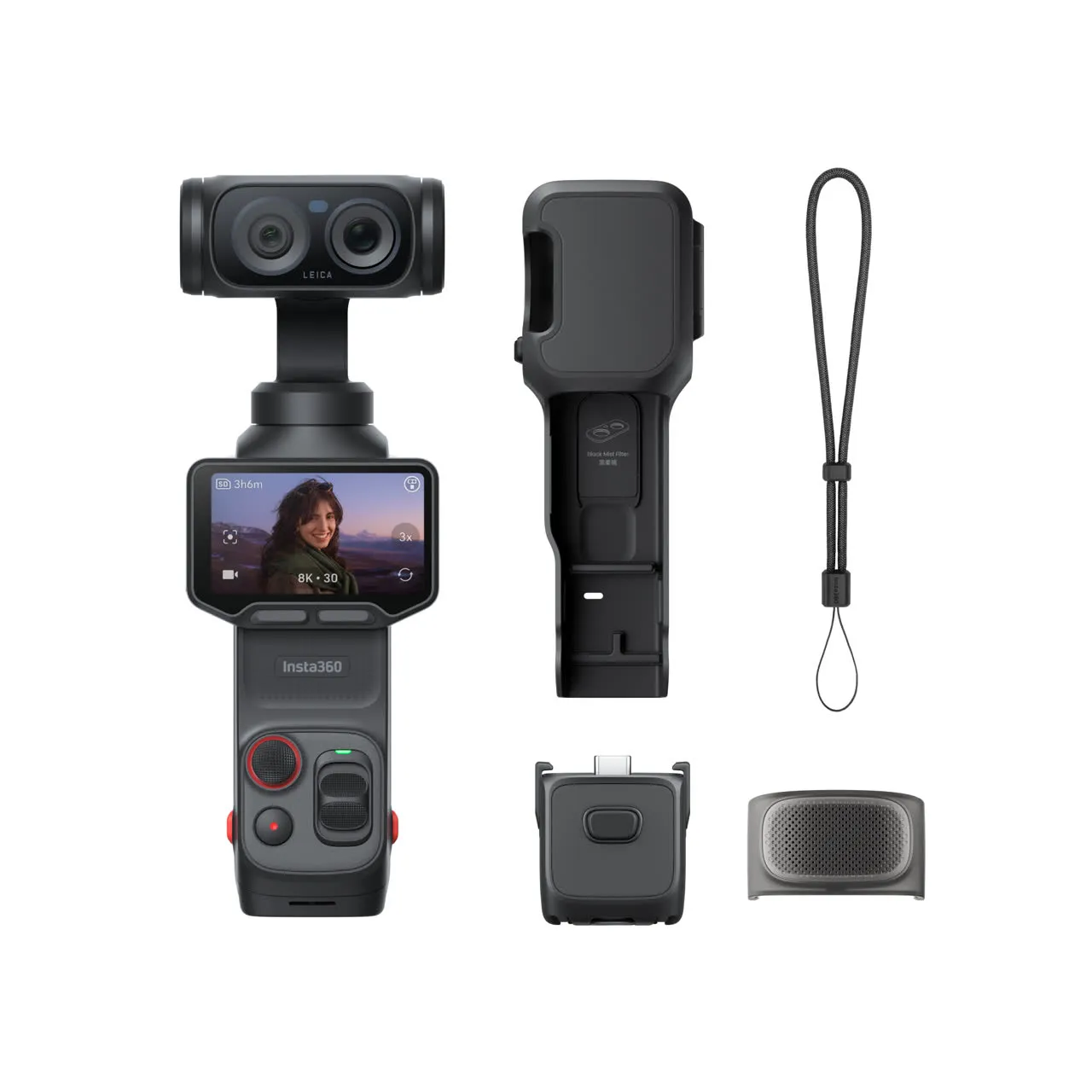
According to the complaint, this lawsuit directly targets the Luna series of handheld gimbal cameras launched by Shadowstone in the United States on June 9. DJI accused the product of infringing two design patents and four invention patents held by DJI. The patent involved in the lawsuit involves related technologies and designs of DJI’s Osmo Pocket series products, covering core underlying technologies such as gimbal electromechanical control and shooting control.
According to currently disclosed information, core functions such as the rotating screen appearance, gimbal mode switching, and target tracking of Shadowstone Luna series cameras are suspected of falling within the scope of patent protection approved by DJI in the United States in its early years. Public searches show that DJI has accumulated many years of research and development in the field of handheld imaging, and its global patent layout has become systematic, covering key nodes such as appearance industrial design, mechanical structure, control system, and imaging algorithms in this category.
According to the two complaints filed, DJI first launched the Osmo Pocket series of handheld gimbal cameras in 2018, followed by the Pocket 3, a third-generation product with a rotatable touch screen, in 2023. DJI stated in the complaint that the Luna series gimbal camera series launched by Shadowstone "blatantly and completely plagiarizes DJI's technology and design." At the same time, it pointed out: "From the appearance design to the functional settings, the accused infringing products are exactly the same as the results developed and patented by DJI for the innovative handheld gimbal camera system in the past ten years."
DJI pointed out in the complaint that it had sent a patent notification letter to Shadow Stone on May 26, 2026, and Shadow Stone had actual knowledge of the patents involved in the lawsuit when this complaint was submitted and served. If one continues to manufacture, import, and sell infringing products despite knowing the existence of the patent involved in the lawsuit, the subjective infringement intention is obvious, which constitutes intentional infringement, and aggravated damages should be applied.
In the lawsuit, DJI requested the court to order a permanent ban (for infringements such as sales). It also required Shadow Stone to return infringement profits, pay damages, aggravate damages (triple compensation) caused by intentional infringement, and bear related litigation costs and attorney fees.