Midjourney, a well-known AI image generation platform in the United States, is expanding its business from "generating cat pictures" and other creative images to the medical and health field. It has launched its first hardware product - a full-body scanner based on ultrasound technology, and plans to open a supporting "physical examination spa" in San Francisco.
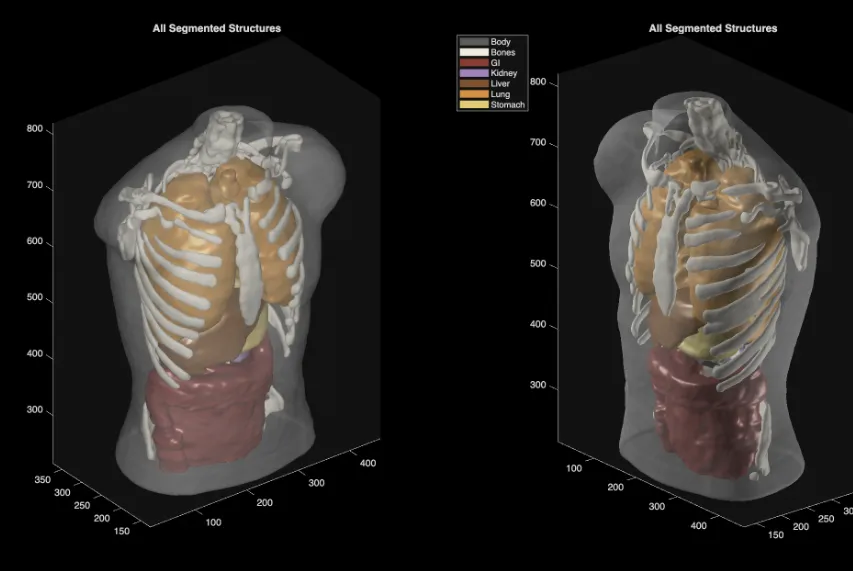
Midjourney CEO David Holz recently demonstrated this device called "Midjourney Scanner", which is a scanning system that uses ultrasonic ring sensors for whole-body imaging. It can acquire vertical slice images of human muscles, fat, bones and some organs. The goal is to achieve imaging quality close to or even comparable to nuclear magnetic resonance (MRI) in many aspects. Holz said that ideally, users can scan once a year or as frequently as "once a day" to observe physical changes brought about by diet and exercise habits, and said he hopes to gain a more quantitative understanding of physical status in this way.
According to the recruitment information released by Midjourney, the company hopes to build and launch "the world's first whole-body ultrasound CT scanner" with the goal of providing billions of people with safe, fast and high-fidelity preventive scanning services through a "magical spa experience." The project was developed by Midjourney in partnership with ultrasound technology company Butterfly Network. Each system integrates 40 Butterfly Ultrasound‑on‑Chip imaging modules to form a scanning ring structure.
In terms of the specific experience process, users first stand in a shallow pool of water, and then slowly descend together with the platform through a ring structure filled with thousands of transducers. These sensors will emit ultrasonic waves to the human body from all directions, record the echo signals after passing through the body, and finally synthesize a high-precision three-dimensional in-vivo image through a large number of angles and data. Officials say that a scan takes about 60 seconds, and currently only about a dozen people have participated in the early scan test.
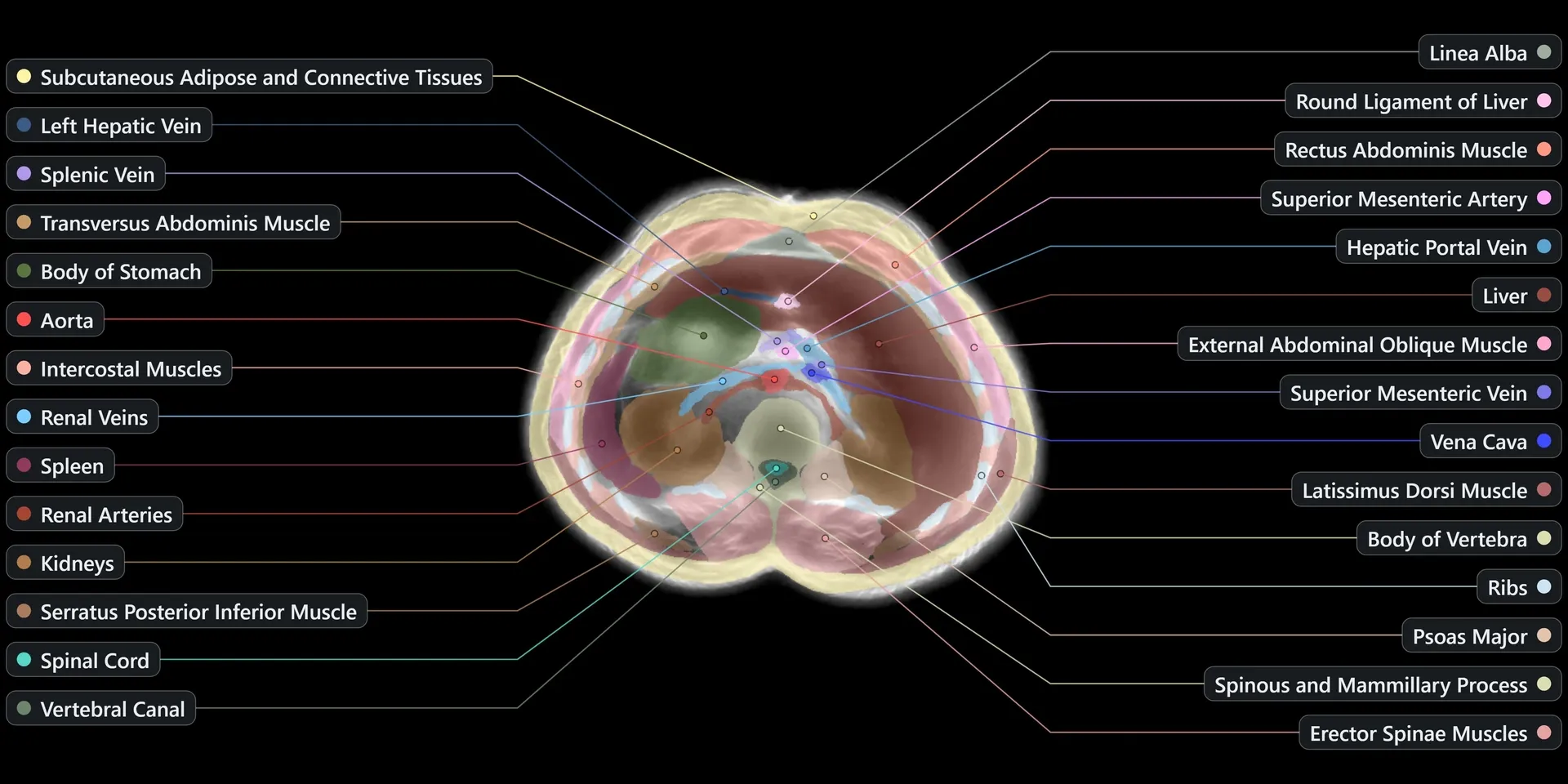
In the official introduction, Midjourney uses the metaphor of "like a circle of dolphins watching you with echolocation" to describe this process, emphasizing that the user steps into a "shallow pool of golden light", and then the body passes through the underwater sensor ring and is "sound wave scanned" from all angles. The system is equipped with about 2 PFLOPS (two quadrillion floating-point operations per second) of computing power behind it, which is used to process ultrasound data and reconstruct three-dimensional images. However, judging from public demonstrations, the specific technical relationship between it and Midjourney’s existing AI image generation technology is still not clear. It is more like looking for new commercial outlets for idle computing power.
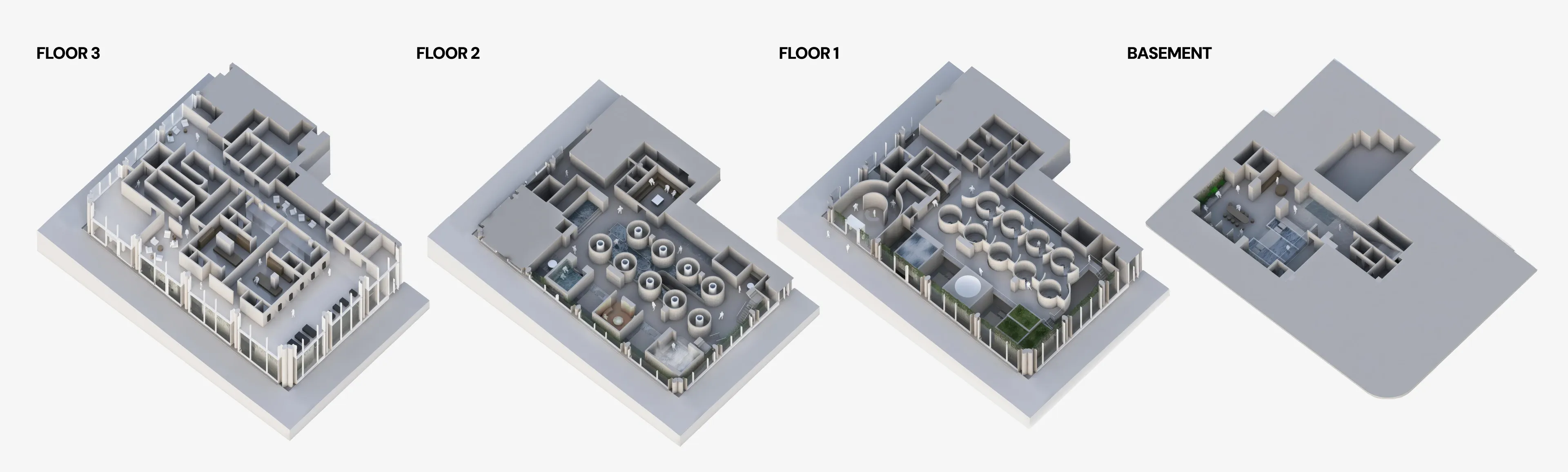
Holz also unveiled Midjourney's plans to open a physical "Midjourney Spa" in San Francisco's Union Square, which is expected to open by the end of 2027 and deploy about 10 scanning devices. At the launch event, he opened up invitations to the hand-scanning experience to attendees. According to the published floor plan, this "spa" will also be equipped with restaurant-style gyms, saunas, cold baths and other facilities. The scanning room will be equipped with a hot tub, and users will need to enter the water to complete the scan.
On the compliance level, Holz mentioned that if these scan results are to be used for specific medical diagnosis, relevant approvals from the U.S. Food and Drug Administration (FDA) will be required. Currently, the Midjourney Medical team is mainly focusing on "body composition maps" that do not involve diagnostic functions to lower regulatory thresholds and allow users to share their scan data with doctors, various AI health tools, or other third parties.
Midjourney Medical emphasized that it will announce a more detailed data policy before its official implementation, and claimed that it "takes data privacy very seriously." Holz envisions that in the future, such equipment can provide a faster and more convenient internal imaging experience than MRI without using ionizing radiation, strong magnetic fields and other common "complicating factors" of traditional imaging methods, allowing people to see what is happening in their bodies "very quickly."
In response to a question, Holz even described a regulatory scenario: If the FDA in the future sets a separate class of standards for devices "used to look at all kinds of 'weird things' in the body," then people will be freer to obtain as much body data as possible for prevention and monitoring. However, this idea is still far from being implemented. Midjourney's transformation from a creative tool that "generates cat pictures" to a medical technology company that provides "whole-body ultrasound examination services" also requires more technical verification, clinical research, and regulatory clarity.