There are signs that Google is considering incorporating China's Changxin Memory (CXMT) into its memory chip supply chain amid the continued global shortage of memory chips and soaring prices. If this move comes true, it may break the current "three memory giants" dominated by Samsung, SK Hynix and Micron. A report from the social platform Subsequently, Jukan, a well-known analyst in the technology circle, forwarded the revelation, which was regarded as adding to the credibility of the rumor to a certain extent.
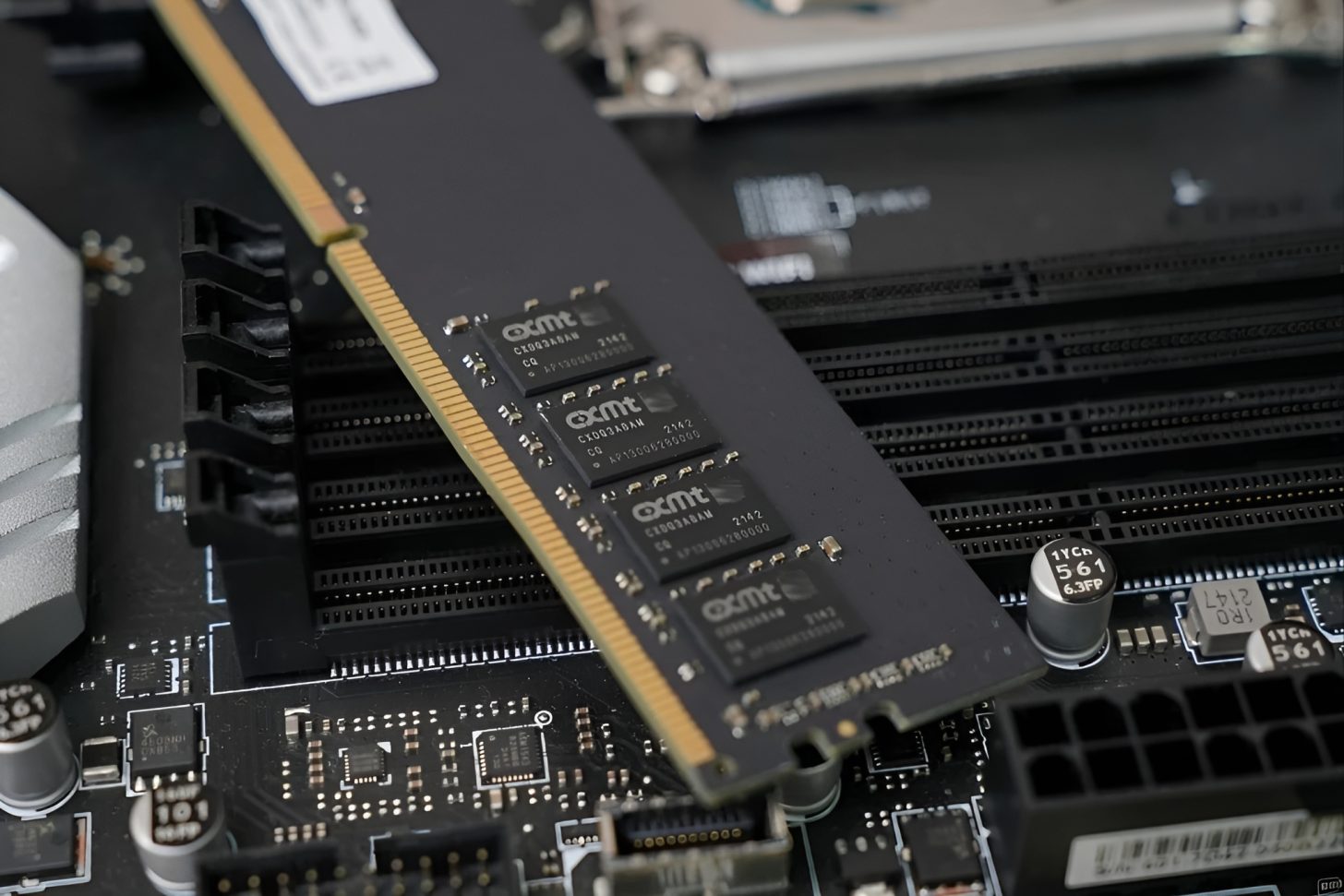
It is currently unclear which products or businesses Google will purchase from China if it reaches a cooperation with Changxin. Possible directions include Pixel smartphones, self-developed AI acceleration chip TPU or Google Cloud cloud infrastructure. Considering that the shipment scale of the Pixel series is relatively limited, and the large-scale use of Chinese memory chips in cloud infrastructure is more sensitive in terms of regulatory and security reviews, some believe that this potential purchase is more likely to be for the next generation TPU - a new generation of Google AI dedicated chips codenamed "Humufish". Previous reports have pointed out that Google plans to stock approximately 3.5 million customized AI chips for this generation by the end of 2028. The chip itself has extremely urgent demand for high-bandwidth and high-capacity DRAM.
The timing of the emergence of this rumor also highly coincides with Changxin's own production expansion and capital operation rhythm. Changxin is currently preparing for an initial public offering (IPO) and at the same time significantly increasing its production capacity. It plans to increase its monthly wafer production capacity from approximately 200,000 wafers to 300,000 wafers by the end of this year to seize new demand in the global DRAM market. Driven by the wave of AI computing power, high-end storage products such as HBM are in short supply, and overall storage capacity is tight, providing Chinese manufacturers including Changxin with a window period to enter the global supply chain.
On the other hand, the geopolitical and regulatory environment casts a shadow of uncertainty over this potential transaction. According to previous reports by Reuters, the U.S. government was preparing to blacklist Chinese AI companies DeepSeek, Changxin, and about a hundred other entities last year, but ultimately chose to hold off to avoid further escalation of tensions with Beijing. Under the U.S. Chip Act and related export control frameworks, U.S. and allied companies face increasingly complex compliance constraints when using high-end Chinese semiconductor products. This means that even if Google finally reaches a purchase agreement with Changxin, the scope and form of application of related products in the U.S. market are likely to be restricted.
One of the direct incentives for Google to consider “going out of the circle” to find Chinese DRAM suppliers is that the surge in storage prices has begun to substantially impact the cost structure of machine manufacturers. Apple CEO Tim Cook publicly stated that day that current memory prices have become "unsustainable" driven by scarcity, and warned that Apple products will "inevitably" face price increases. Against the background of the rapid expansion of demand for high-bandwidth storage for AI training and inference, large cloud service providers and equipment manufacturers are competing for limited production capacity, causing DRAM and HBM prices to continue to rise, further exacerbating industry chain tensions.
If Google ultimately chooses to purchase memory chips from Changxin, it will not only mean a major adjustment in the diversification of its supply chain, but may also open the door for other large technology companies to cooperate with Chinese storage manufacturers. Once the U.S. and global Internet and cloud computing giants begin to widely adopt Chinese DRAM in non-U.S. markets, the dominant position of the existing "Big Three" in pricing and supply will inevitably face challenges. The price system, production capacity layout, and technology route selection of the global storage industry may have a chain reaction as a result. However, until this rumor has not been publicly confirmed by Google or Changxin, everything is still in the "evaluation" and gaming stage, and the subsequent direction will depend on market supply and demand, regulatory attitudes, and the trade-off between costs and risks by relevant parties.