On June 18, the Wall Street Journal reported that the global memory chip shortage is about to affect the iPhone. The new iPhone 18 Pro released this fall is likely to increase in price by at least US$200 (approximately RMB 1,351).
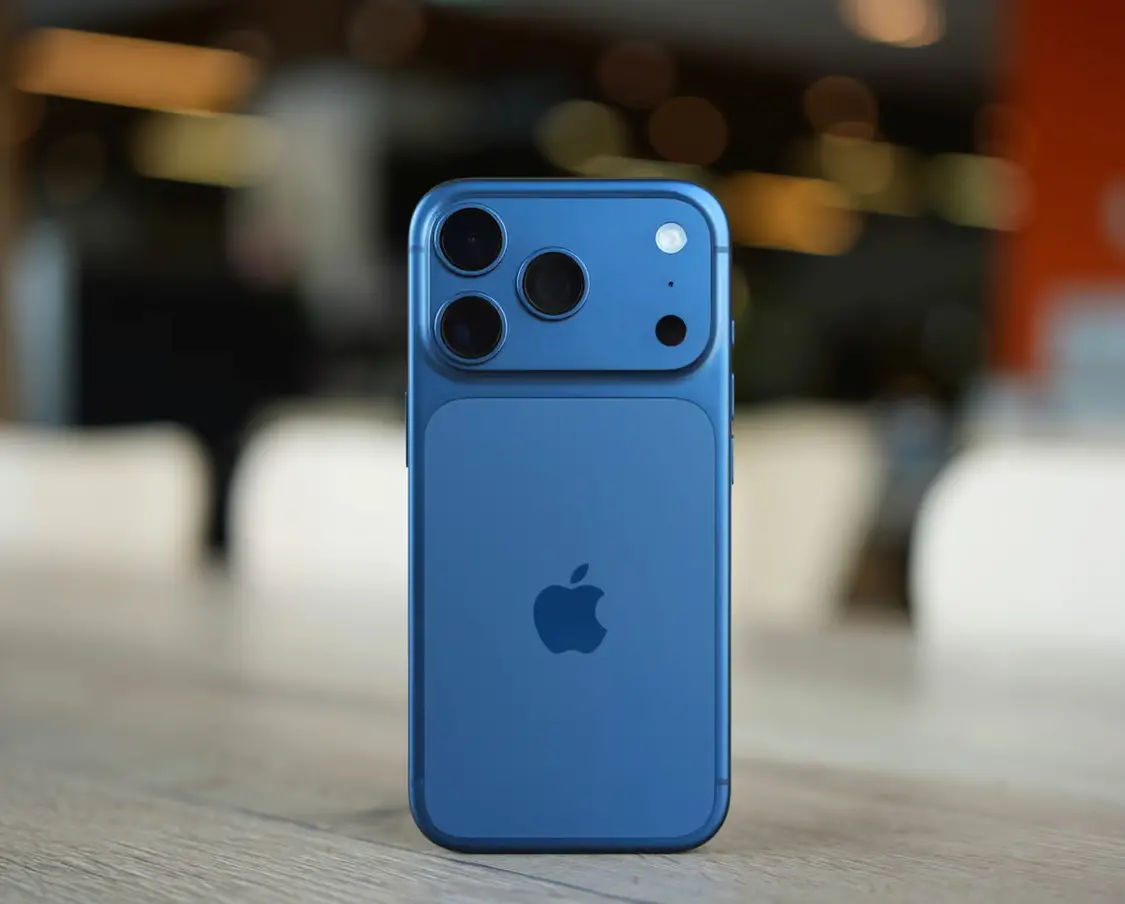
iPhone 17 Pro
Apple CEO Tim Cook told the Wall Street Journal that the company is not immune to the impact of soaring chip prices. When asked which devices would increase in price and when, Cook responded: "We're still looking into it."
The Wall Street Journal pointed out that Apple may announce more price information in September this year, when the next generation iPhone and other devices are expected to be unveiled.
The Wall Street Journal decided to make an estimate based on existing information and speculate on how much Apple's hardware might increase in price, taking the iPhone 18 Pro, which has not yet been officially released, as an example. The Wall Street Journal's analysis is based on the current price increases of memory and storage chips and the predictions of research organization TechInsights. The results show that the price of the basic iPhone 18 Pro model may increase by US$200 or more.
Memory price increases
AI demand has triggered an unprecedented rush for two types of memory chips: DRAM memory and NAND flash memory. There are currently only a few companies on the market offering these products, including Samsung Electronics and Micron Technology.
Because data centers that train and run large language models are willing to pay more for these chips, chipmakers are shifting more capacity to enterprise products and less to the consumer electronics market. That puts pressure on many electronic products consumers are likely to buy, including new iPhones.
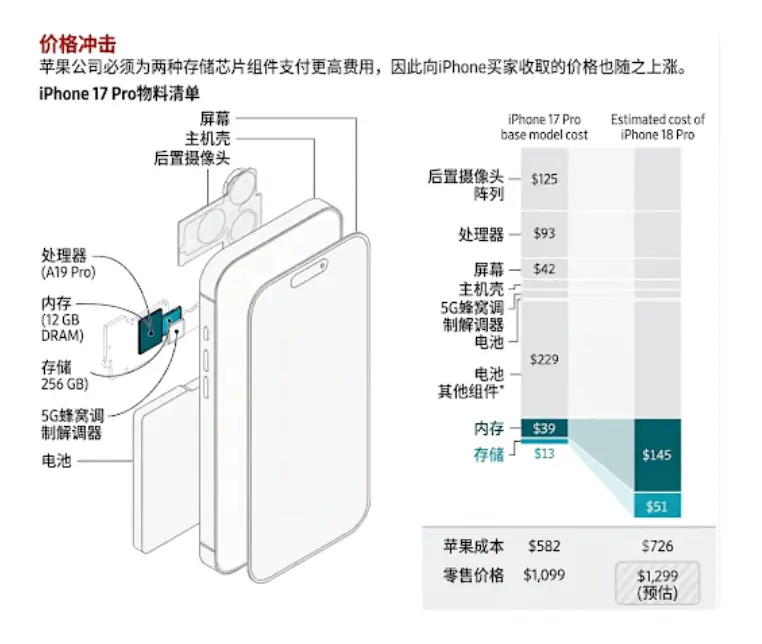
Memory chips become the main reason for price increases
iPhone 17 Pro is equipped with 12GB DRAM memory, and flash memory storage capacity starts from 256GB. By this fall, the price of these components is expected to be four times what it was last year, according to Mike Howard, director of memory marketing at research firm TechInsights.
He estimated that Apple paid about $39 for 12GB of DRAM on the 17 Pro, but on the 18 Pro, the cost could reach $145. For much lower-priced flash memory, Howard said Apple would pay about $13 for 256GB on the 17 Pro, which could rise to $51 by the 18 Pro.
Wayne Lam, director of wireless component services at TechInsights, estimates that the iPhone 17 Pro will cost about $530 in parts and manufacturing, excluding DRAM memory and flash storage. Therefore, after adding DRAM memory and flash storage, a base iPhone 17 Pro costs about $582, while the estimated cost of a base iPhone 18 Pro will jump 25% to $726.
or even higher
Although Apple does not announce the gross profit margin of individual products, research by TechInsights shows that the profit margin of the iPhone 17 Pro, which starts at US$1,099, is as high as 47%. In order to maintain this profit margin on the iPhone 18 Pro, Apple needs to set the selling price at $1,371 based on estimated costs. Since Apple tends to adopt standardized pricing, the starting price is more likely to be set at $1,299, which would result in a gross profit margin of approximately 44%.
And this calculation doesn't take into account potential new camera systems. The new camera system will also cost about 50% more than the previous model, according to supply chain analyst Ming-Chi Kuo.
In this case, based on the same calculation method, Apple may set the starting price of iPhone 18 Pro at US$1,399, or even higher.