In February this year, when the first Tesla Cybercab rolled off the production line at the Texas Gigafactory, the outside world was already discussing the "self-driving taxi" quite heatedly. Now, the certification documents submitted by Tesla to the U.S. Environmental Protection Agency (EPA) have systematically disclosed the previously undisclosed core technical parameters of this model for the first time.
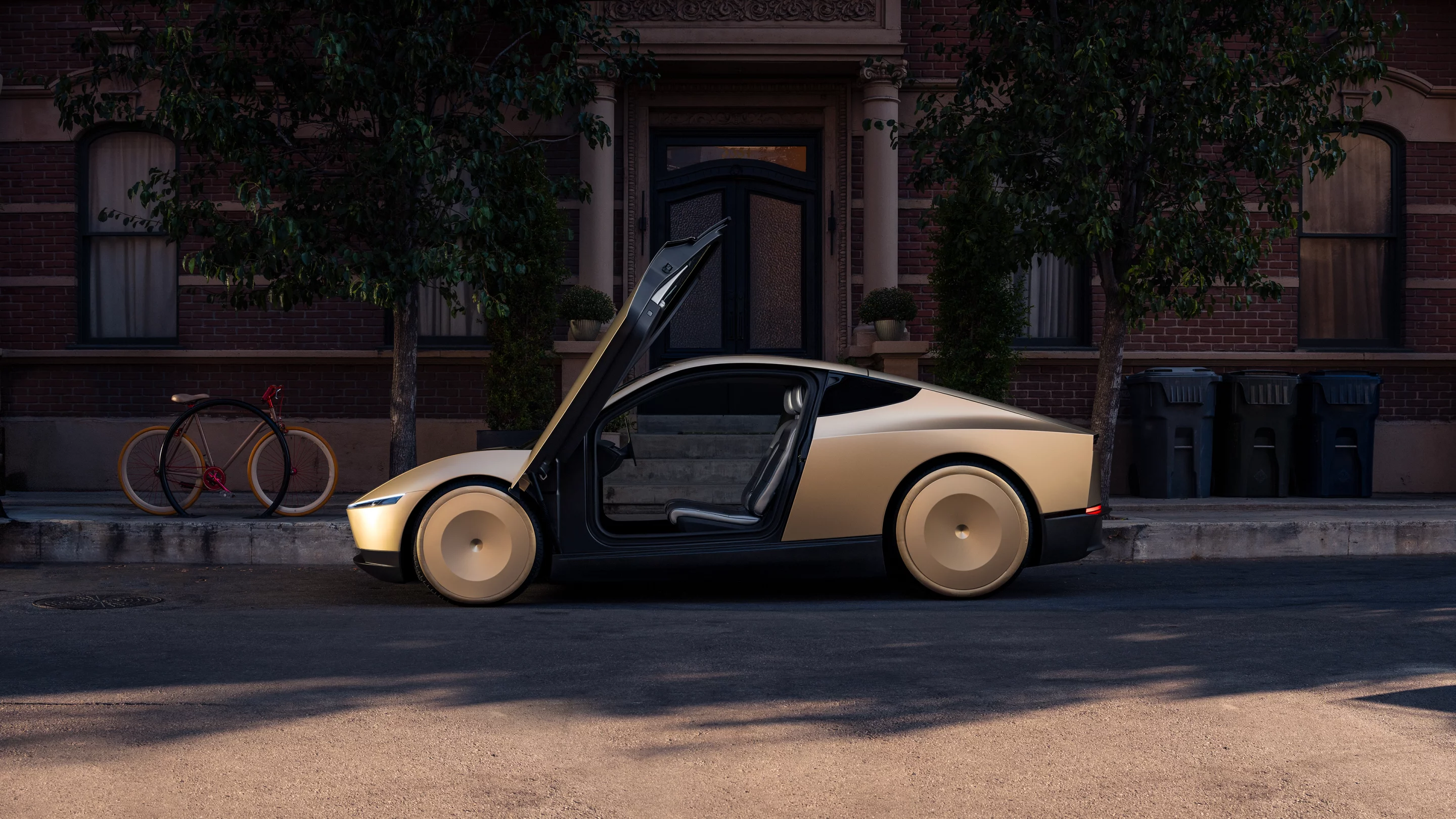
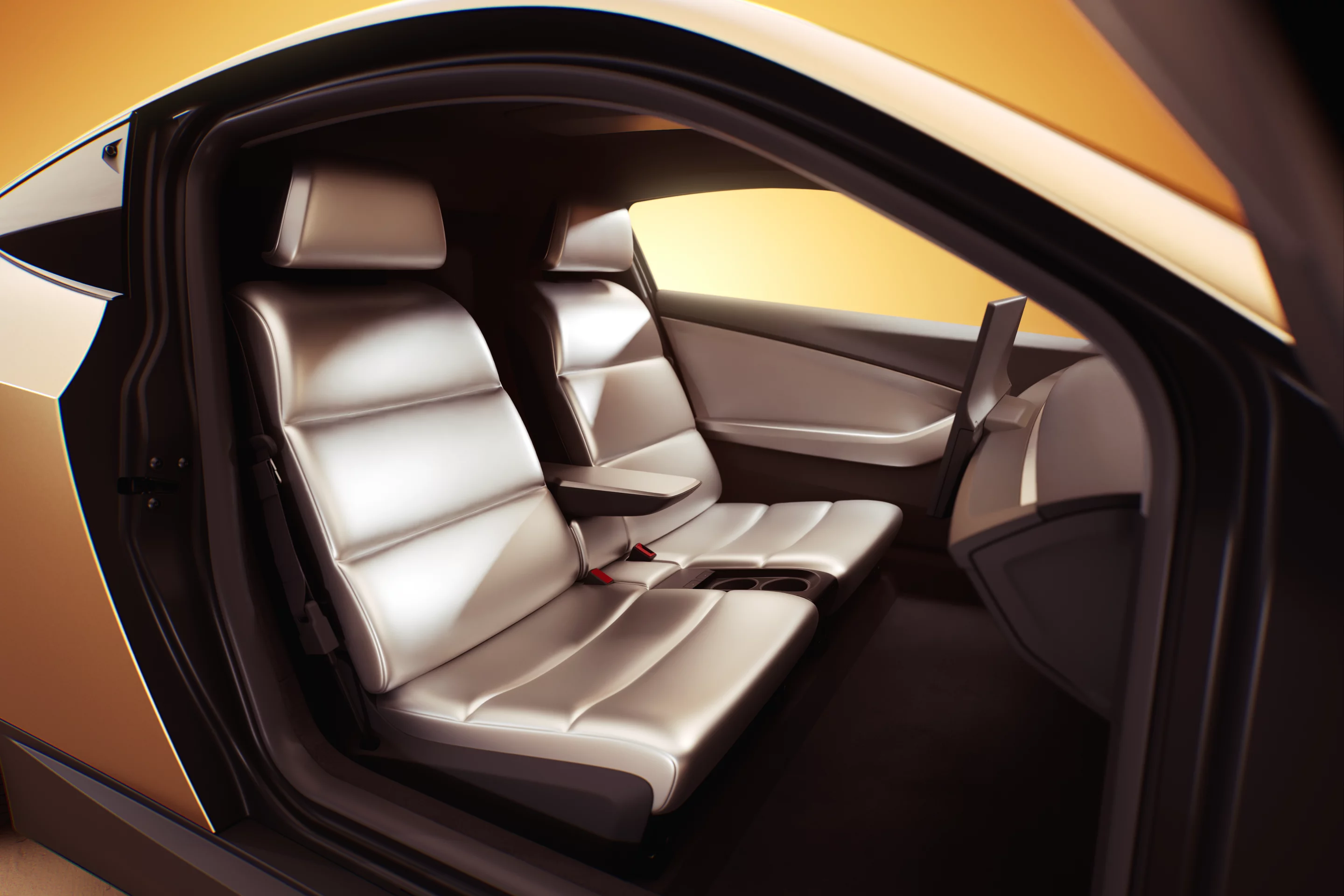
Judging from the published data, the Cybercab weighs 1,412 kilograms, which is only about three-quarters of the lightest version of the Model 3 currently on sale. The weight of the entire vehicle is about 317 kilograms, which is quite "slim" among today's electric vehicles. However, this achievement must also be viewed in the context of its two-door and two-seater body layout: as a model that only accommodates two passengers, the Cybercab is not particularly outstanding compared to traditional lightweight sports cars. For example, the Toyota GR86 with a 2+2 seat layout has a curb weight of about 1,275 kilograms, and the two-seat sports car Porsche 718 Cayman has a curb weight of about 1,387 kilograms, which is still lighter than the Cybercab.
Most of the Cybercab's weight comes from the battery pack. The document shows that it is equipped with a lithium-ion single battery pack weighing about 308 kilograms, with a nominal voltage of 326 volts and a capacity of 47.6 kilowatt hours. According to the results of the EPA Multi-Cycle Test, this battery can provide approximately 673 kilometers of comprehensive operating range, or approximately 603 kilometers of high-speed operating range. Taking into account the difference between laboratory testing and real-world road conditions, the article determines that the actual available range will most likely fall to about 300 miles (about 480 kilometers), and the nominal charging energy of the battery from the AC power grid is about 53.365 kilowatt hours.
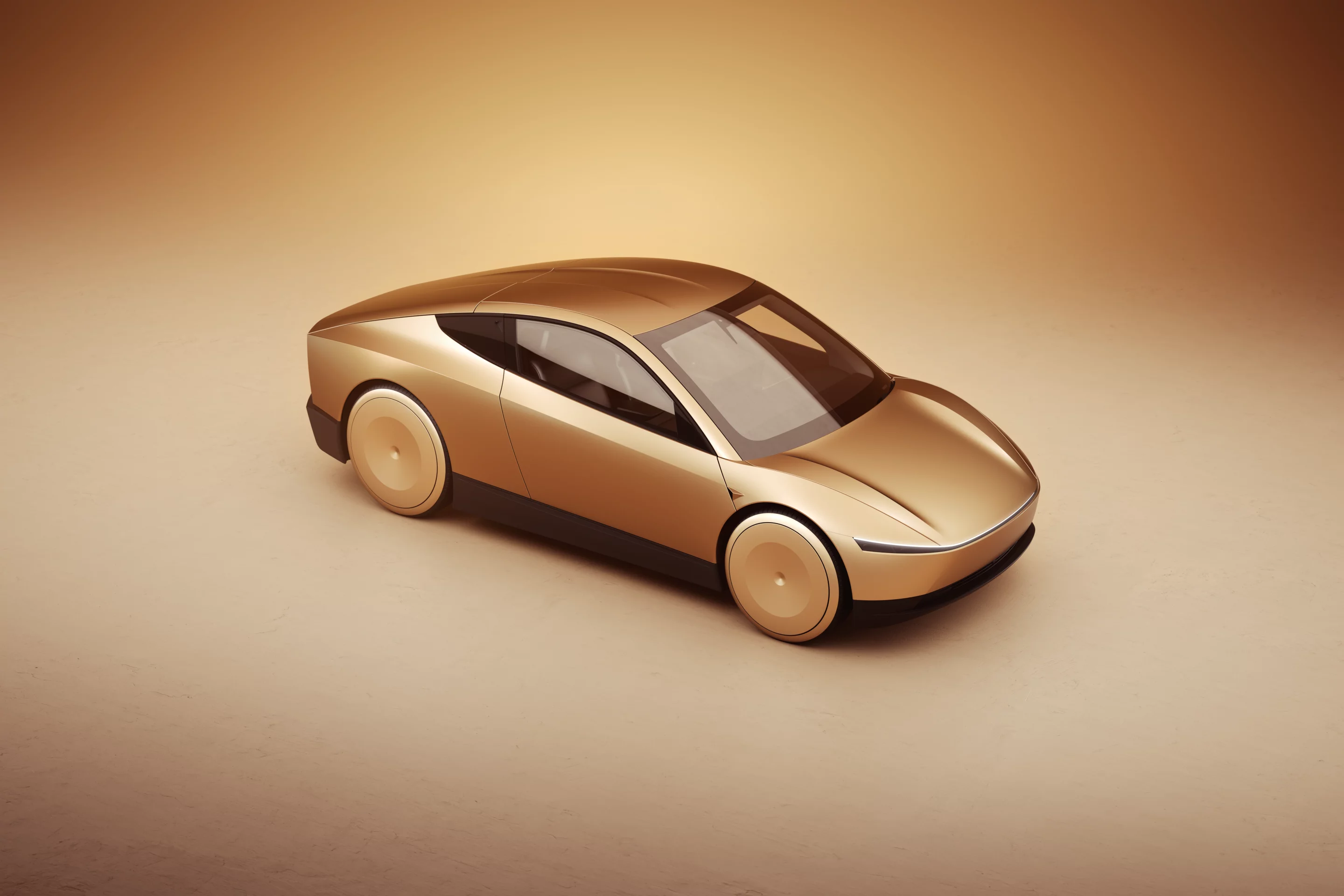
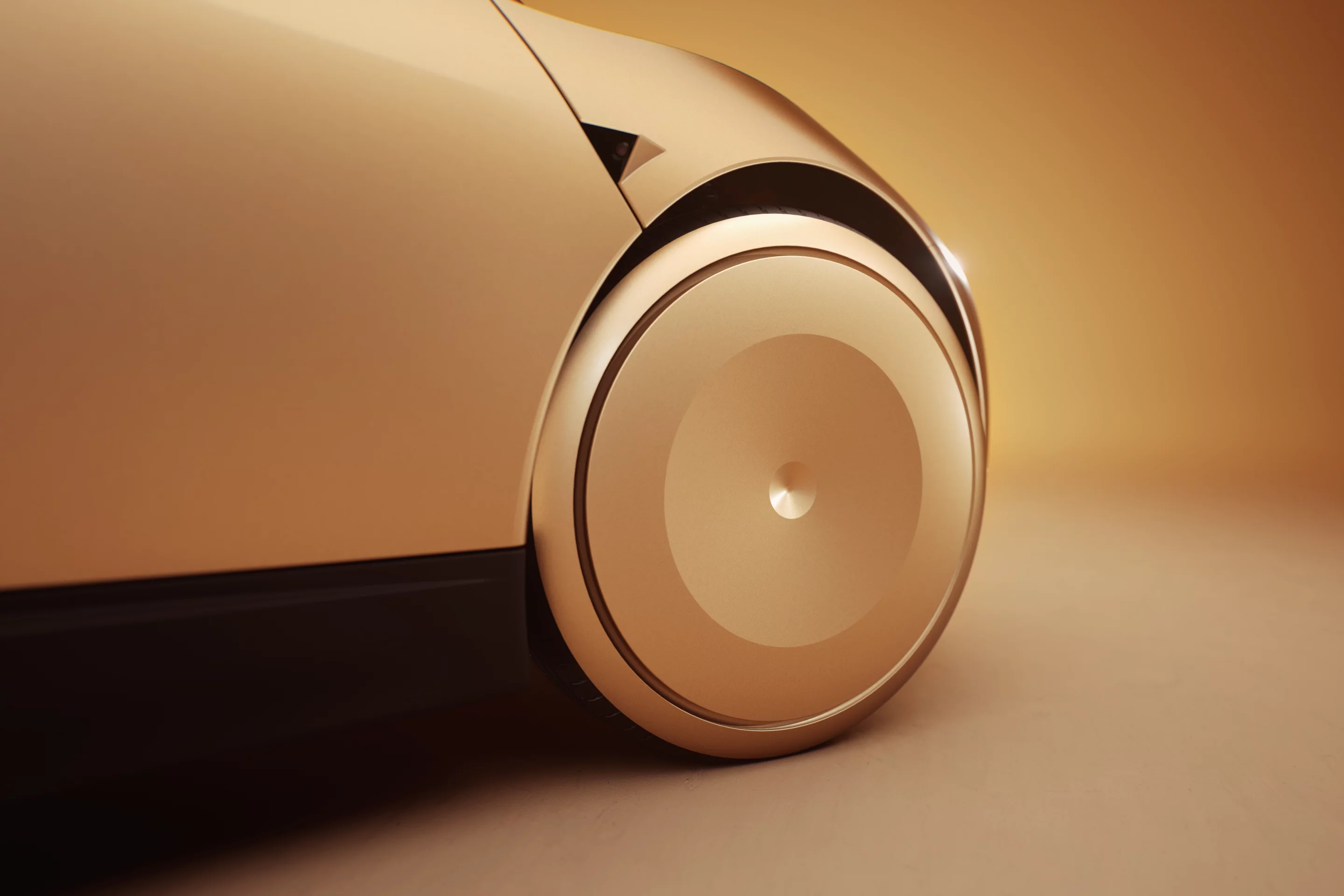
In terms of powertrain, Cybercab uses an AC three-phase permanent magnet motor with a maximum power of about 219 horsepower. It also chooses a front-wheel drive and single-speed automatic transmission layout that is not common in Tesla's product line. Compared with current models such as Model 3 and Model Y, which mostly use rear-wheel drive or all-wheel drive, placing the motor in the front and driving the front wheels helps to eliminate the rear subframe and transmission shaft structure, thus simplifying the structure, reducing cost and weight of an urban travel model that does not pursue the joy of rear-wheel drive control. The data also shows that the front axle of the vehicle will be equipped with a kinetic energy recovery braking system to further improve energy consumption performance under urban conditions.
In terms of time, the "commercial use date" given in the EPA document is May 29, 2026, which means that from a compliance perspective, Cybercab has the conditions to enter the market. However, this model has not yet appeared on the streets in reality. The reason is that its most talked about "special skill" - fully autonomous driving capability - has not been clearly stated in this certification document.
At present, Cybercab still does not have a clear technical path towards truly driverless operations, and Tesla has not yet obtained regulatory certification for fully autonomous driving. It can be seen from the documents that this car is relatively mature in terms of hardware, battery life, energy efficiency and mass production preparation, and can even be released to the mass market at any time, but it is still "absent" in the key capability of autonomous driving.
Cybercab's product settings are almost entirely based on the promise of "true autonomous driving," which is the biggest difference between the project and traditional electric vehicles. Under such a narrative framework, battery capacity, cruising range, efficiency indicators and production capacity planning are only supporting roles. The core issue that truly determines whether it can subvert the mode of travel is whether the vehicle can complete the driving task safely and reliably without human intervention. If a "self-driving taxi" still requires a human driver or constant supervision, it is essentially just another electric car with more radical software capabilities, rather than a self-driving fleet that will reshape urban transportation.
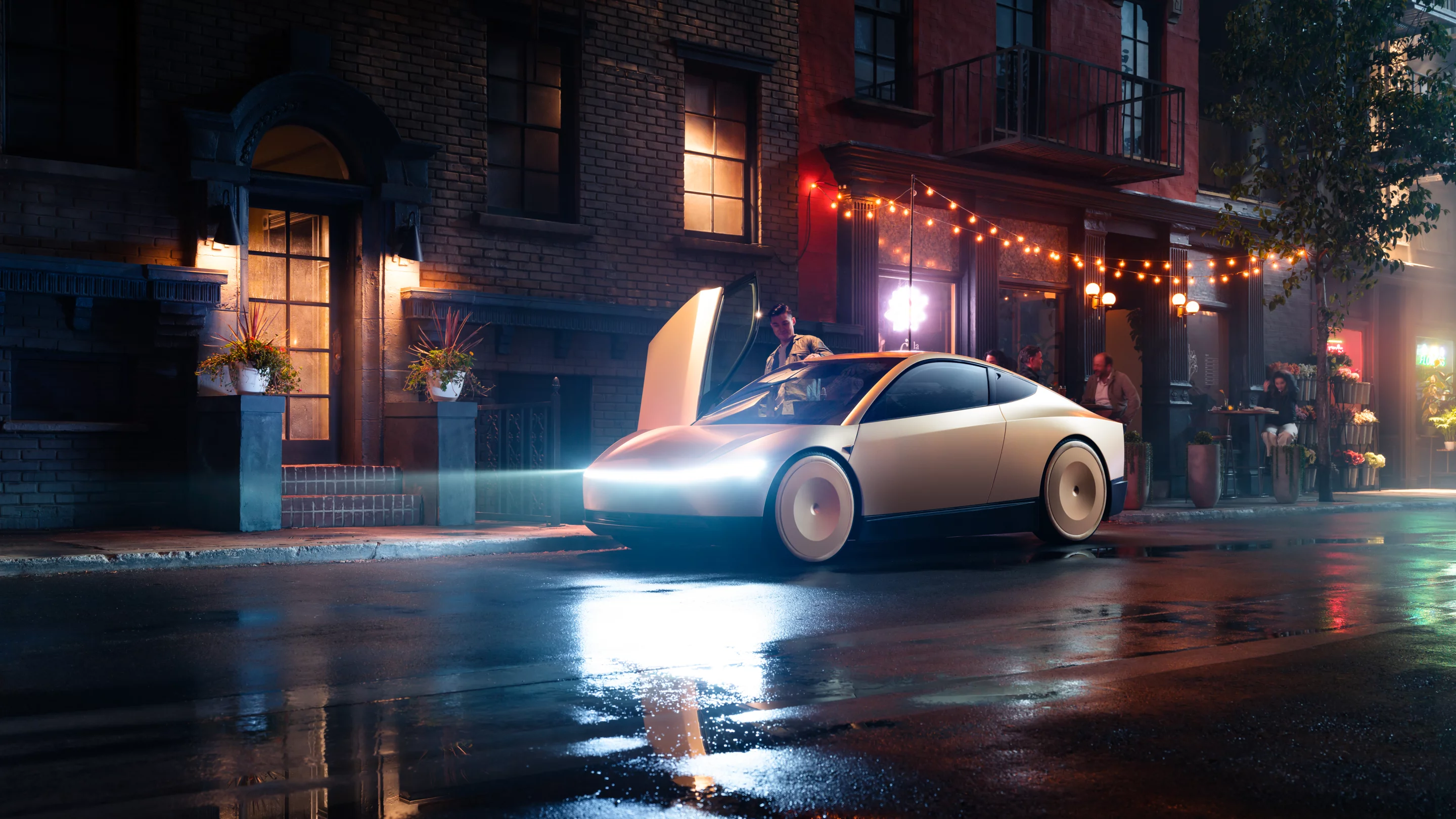
Before regulation and technology are fully in place, discussions surrounding Cybercab's hardware parameters and market pace are difficult to change the fact that the car's story is still missing the most critical piece of the puzzle - fully autonomous driving capabilities that are recognized by regulatory agencies and can be deployed on a large scale.