Europe is mounting a clearer pushback against U.S.-led chip restrictions, with the Netherlands at the forefront. Dutch Trade Minister Sjoerd Sjoerdsma traveled to Washington this week to meet with U.S. Commerce Secretary Howard Lutnick and members of Congress to speak out against a bill called the MATCH Act.
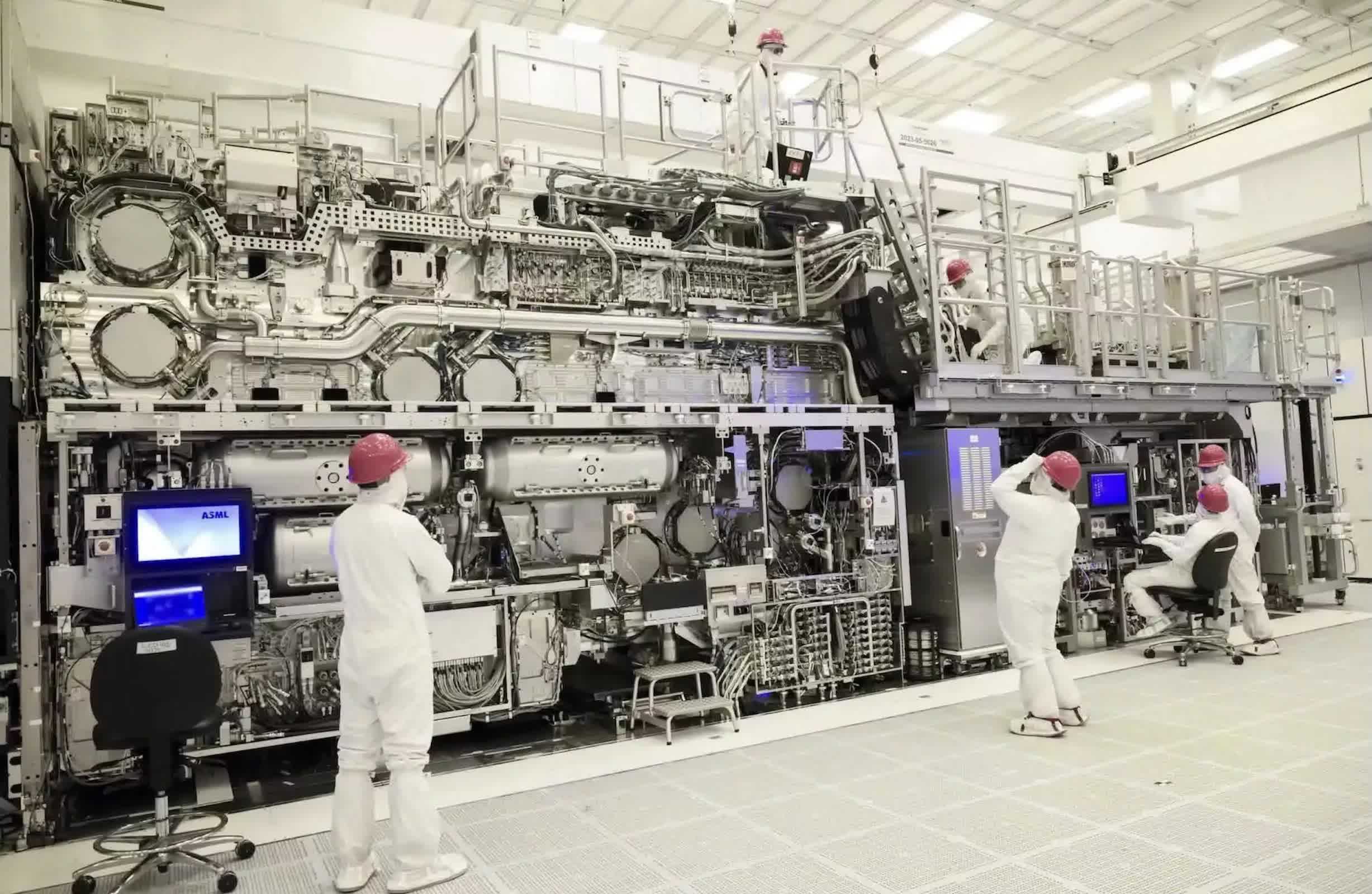
If passed, the bill would ban Chinese chipmakers from accessing Western semiconductor equipment, and Dutch chip equipment giant ASML would be particularly hard hit.
Headquartered in the Netherlands, ASML is one of Europe's most valuable companies and the only company in the world capable of manufacturing advanced lithography machines, which are used to produce cutting-edge AI chips. In an interview with Bloomberg after the meeting, Sjoerdsma said that he came to Washington specifically to express the Dutch concerns extensively to the U.S. Congress and emphasized that "for the Netherlands, the stakes may be very high." China currently accounts for about 19% of ASML's net system sales, so any additional restrictions would directly impact the company's global footprint.
The MATCH Act goes even further than existing regulations. It will not only continue to restrict the export of ASML's most advanced extreme ultraviolet lithography machines to China, but will also include the earlier generation of deep ultraviolet immersion equipment within the scope of the ban. In other words, even older-generation devices that were sold to China about a decade ago may be forced out of the Chinese market. ASML CEO Christophe Fouquet pointed out in an interview with TechCrunch in May this year that the main ones that China can still buy are these older generation deep ultraviolet tools, and what the MATCH Act has to do is to keep these equipment out of the door.
The bill was first introduced in April, but so far has not received a full vote in the U.S. House or Senate. Bloomberg pointed out that it will most likely need to be incorporated into a larger legislative package to have a chance of advancement. This also means that disputes surrounding chip equipment, AI chip manufacturing capabilities and technological restrictions on China will continue to be sensitive issues in the transatlantic relationship between Europe and the United States in the short term.
Looking at the larger context, Europe's dissatisfaction is not just about a bill, but about the increasingly tough and overflowing policy logic of the United States in semiconductor regulation. For the Netherlands, ASML is not only a national leading enterprise, but also one of the few strategic assets in Europe with absolute advantages in the global chip industry chain. It is precisely because of this that the Netherlands went directly to Washington to express its opposition this time, which is regarded as an important signal that Europe is trying to strive for more independent space in this chip war.
Related articles:
The U.S. Department of Commerce expressed concern that ASML high-end lithography machines may flow into China