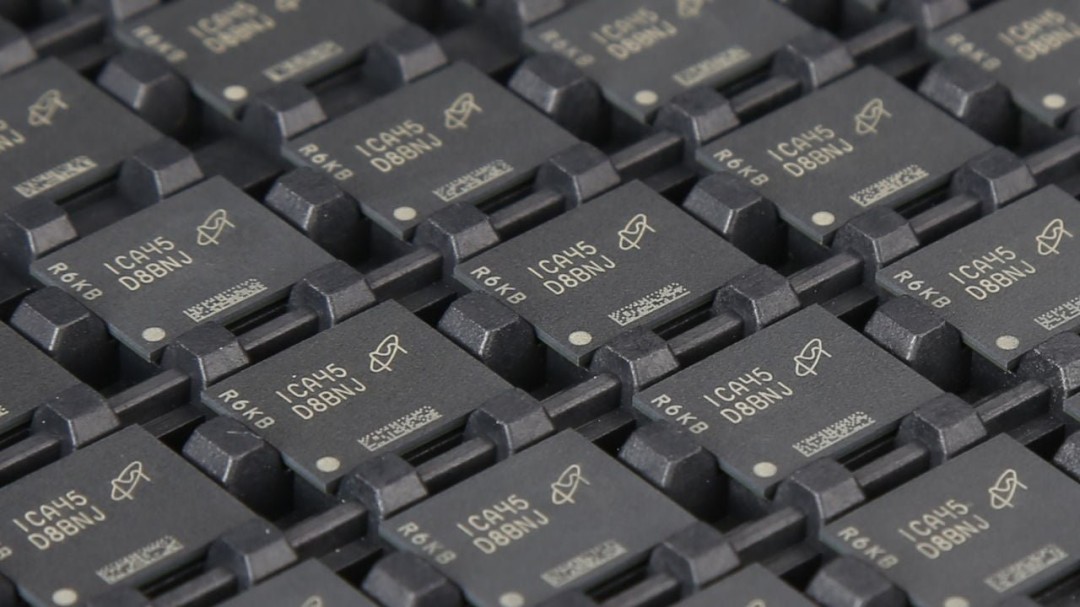
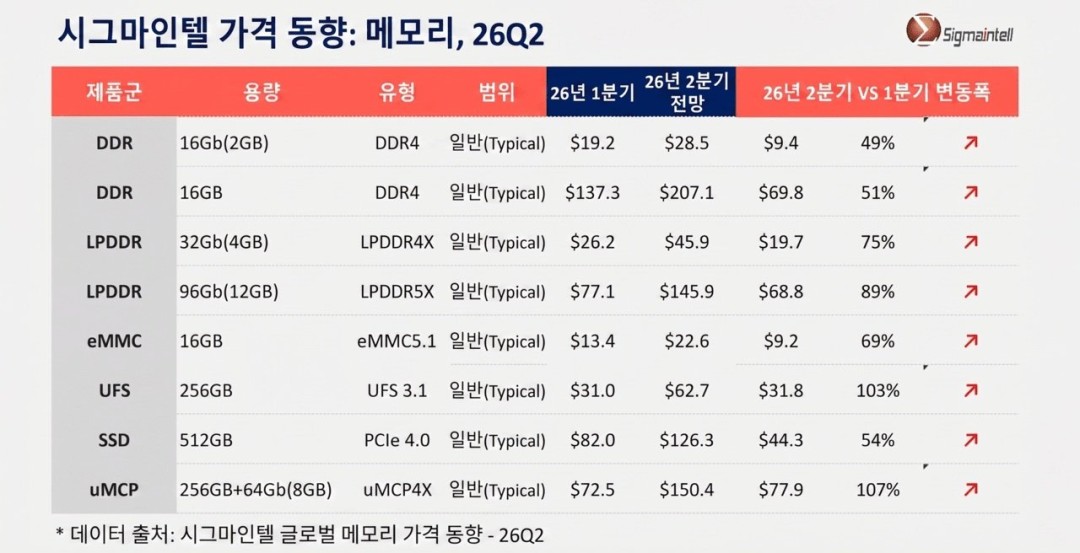
In the second quarter of 2026, the consumer DRAM market encountered an unprecedented price storm. According to the latest research report released by SigmaIntel, affected by the AI industry's crazy grab for high-bandwidth memory (HBM), general-purpose DRAM production capacity has been severely limited, causing DDR4 memory prices to rise by about 50% month-on-month, while LPDDR memory has increased by as much as 89%. Consumers are facing a severe "memory shortage."
Report data shows that all types of memory modules recorded staggering increases in Q2. In addition to memory, memory chip prices are also out of control. The report pointed out that the price of 512GB NVMe Gen4 SSD increased by 54% month-on-month to US$126.3; the price of 256GB UFS 3.1 flash memory increased by as much as 103%, from US$31 to US$62.7; the price of 16GB eMMC 5.1 flash memory increased by 69%, and the uMCP solution soared by 107%.
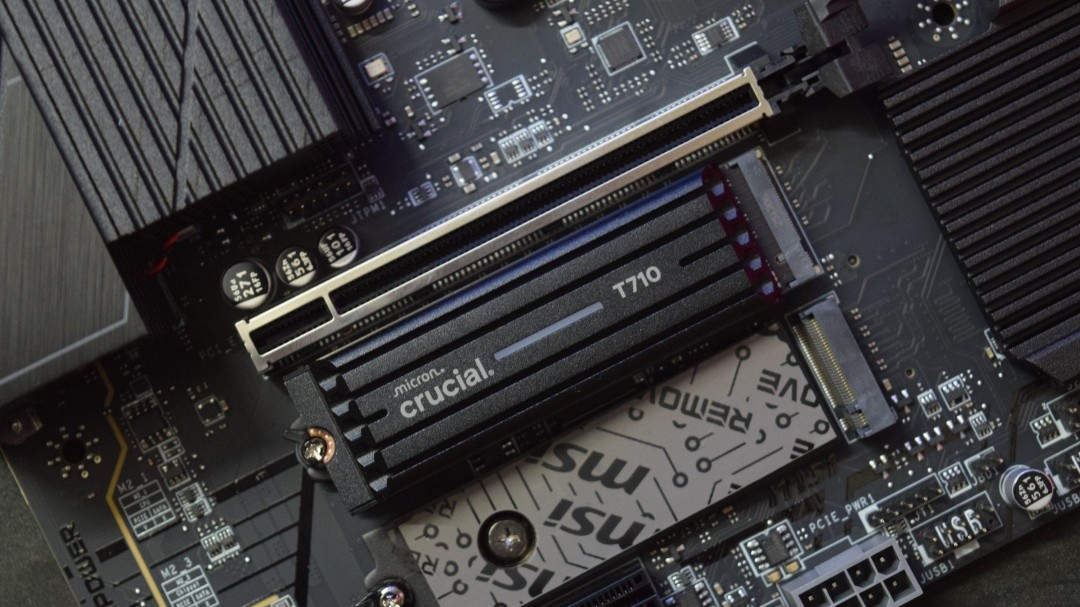
DRAM and NAND flash memory are core components of PCs, smartphones and game consoles. The surge in upstream prices has been quickly transmitted to the consumer side: laptop computers and smartphones have increased prices across the board, and game console prices have also increased. Valve's recently launched Steam Machine has encountered a cold reception in the market due to high pricing. The important driving force behind this is the sharp increase in memory and storage costs. A year ago, the retail price of a 16GB DDR4 memory module was only about US$60-70, and a 16GB DDR5 module was only US$90-100. Now the price has doubled to three times; a 1TB Gen4 SSD used to be on sale for US$70-80, but now it costs US$130-150 even at a discount.
Manufacturers have prioritized production capacity to the highly profitable HBM to serve the AI server market. The supply shortage of consumer-grade DRAM has begun in the second half of 2025 and has shown no signs of easing. Industry experts warn that this round of price increases may extend into 2028.