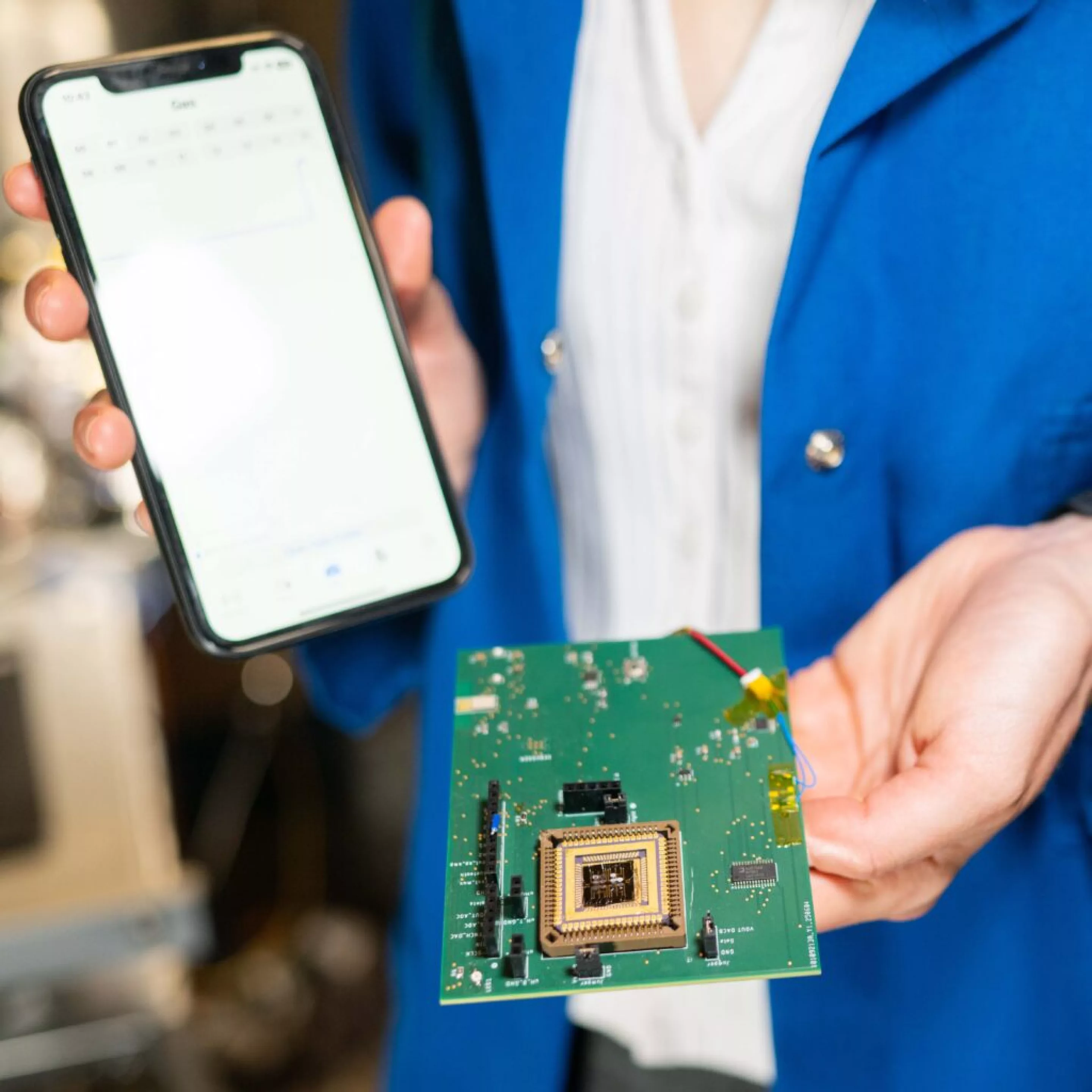
A US-based research team recently developed a new type of "electronic nose" that can detect food that is about to spoil and potential allergens in the refrigerator. Its sensitivity is said to be "better than the human nose." The achievement comes from the University of California, Berkeley, and is led by Carla Bassil, a doctoral student in electrical engineering and computer science. The relevant paper has been published in the journal Science Advances.
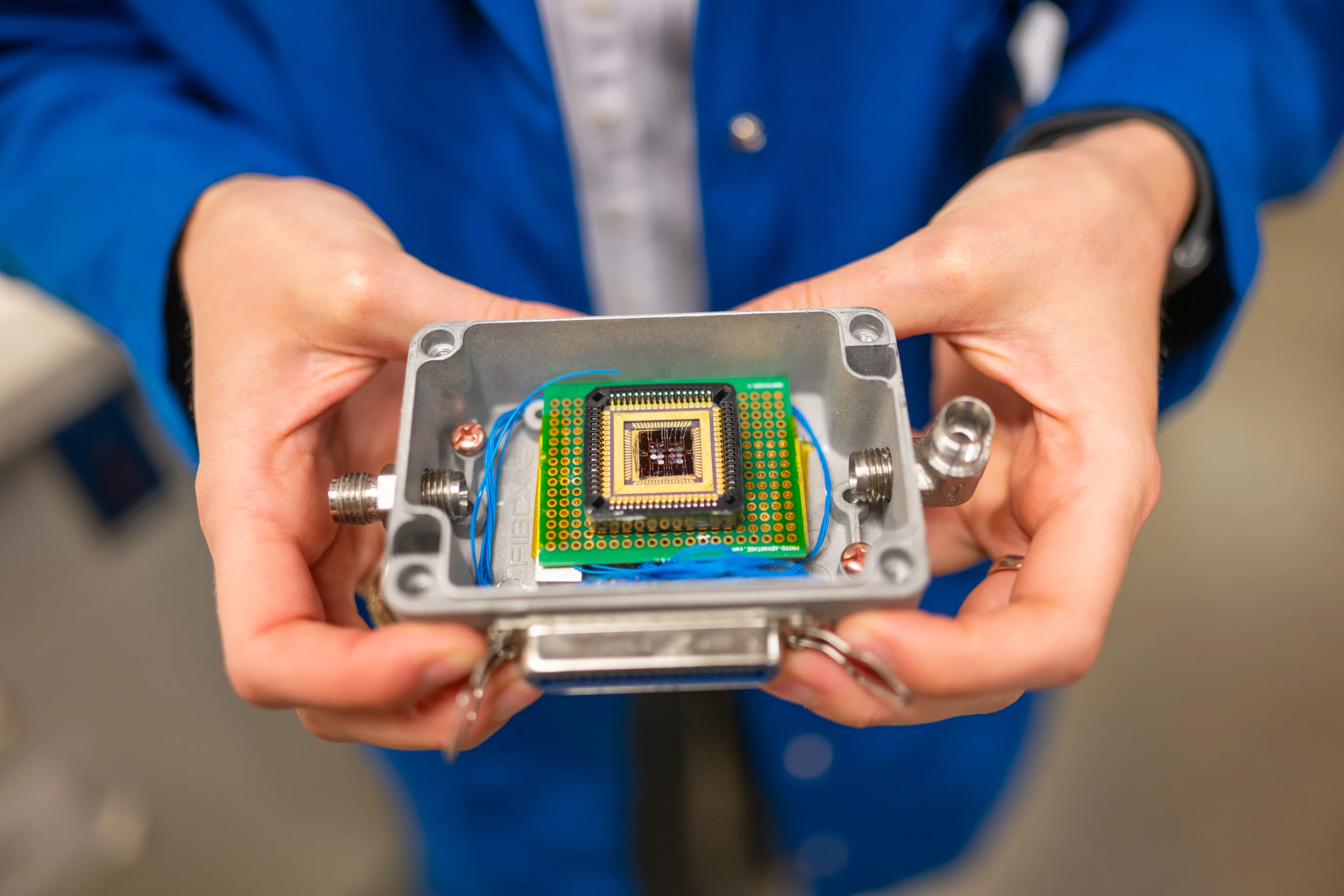
According to the research team, this electronic nose integrates 16 micro gas sensors, which can identify subtle differences between gas molecules, including volatile gases such as common food allergens such as walnuts and peanuts, thereby issuing early warnings before the risk of food spoilage or allergies is detected by the human sense of smell. Bassil described the system as a set of "digital taste buds," with each sensor producing a unique response to different gas molecules, which together form a "fingerprint" of a specific food or smell.
Unlike ordinary household carbon monoxide detectors that only target a single gas, there is considerable technical difficulty in integrating multiple gas sensors on the same chip. To this end, the team chose carbon nanotubes as conductive materials instead of metal oxides that require heating, so that the thickness of the sensing layer is only one percent of the diameter of a human hair and can maintain high sensitivity at room temperature. This design not only broadens the range of optional sensitive materials, but also allows the use of materials such as polymers that are easily degraded at high temperatures.
In terms of manufacturing process, Bassil uses the so-called "drip coating" method to simply deposit sensitive materials on the chip in the form of a thin film, which greatly simplifies the manufacturing process compared to complex processes. When the electronic nose is working, the chemical reaction between the sensor surface and the gas molecules is converted into an electrical signal, forming a response curve that can be analyzed.
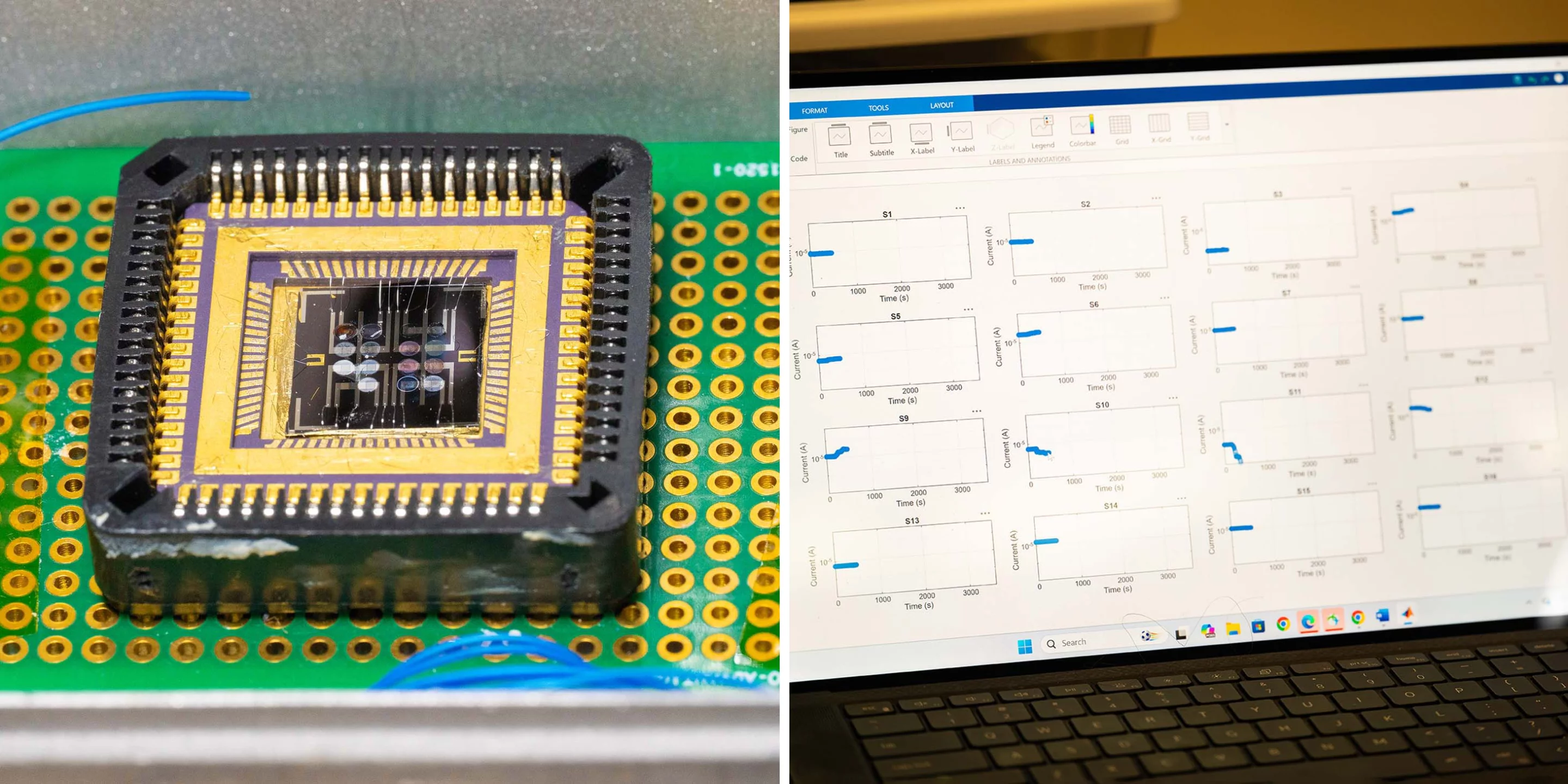
In order to equip the system with recognition capabilities, the research team introduced a machine learning model to train various gas response patterns. Currently, the electronic nose has been trained to recognize the different odor changes of seven types of food - strawberries, blueberries, bananas, walnuts, hazelnuts, cashews and peanuts - as well as raw chicken, milk and eggs in their fresh state and after being left at room temperature for 24 hours and 48 hours. The model will learn the gas "fingerprint" of each food in different states, so as to automatically identify it during subsequent detection.
"Our idea is to use the relative selectivity of the gas sensor, combined with the ability of machine learning in pattern recognition, to distinguish the gas fingerprints corresponding to different foods." Bassil said, "The final result is a sensing chip that is more sensitive and objective than the human nose." In the test, the electronic nose can detect only 0.05 grams of walnut fragments, which is about one percent of the weight of a shelled walnut. However, Bassil also admitted that it has not yet verified the performance of the device in complex environments, such as identifying allergens in mixed foods such as cakes or salads, or the accuracy when multiple foods in the refrigerator emit gas at the same time.
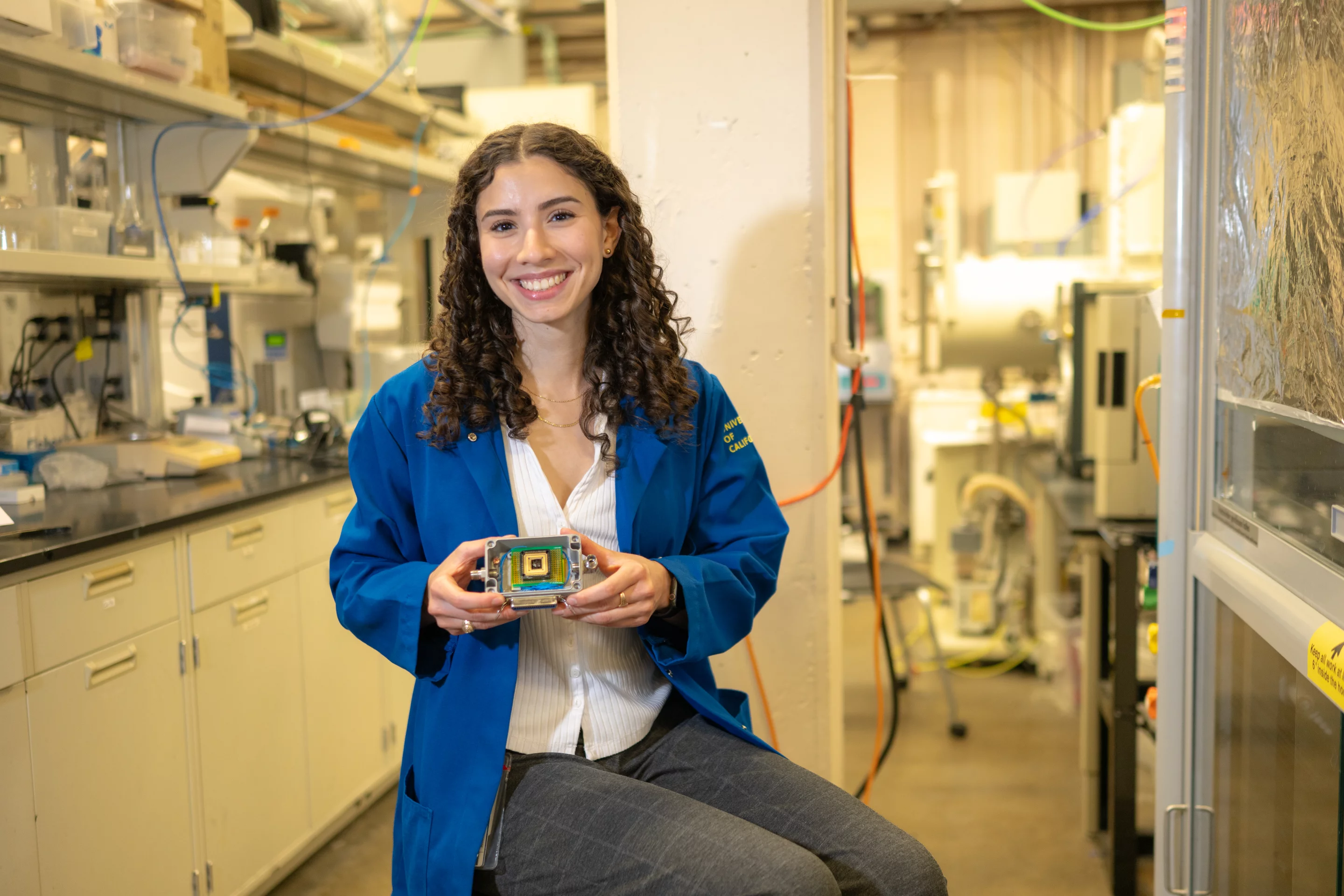
To facilitate practical application, Bassil has also produced a portable version that can be controlled via an iPhone app. She believes that "smart refrigerators" will be one of the important implementation scenarios of this type of technology in the future: after the refrigerator has built-in sensors and is connected to a mobile phone, it can proactively remind users of information such as "broccoli is about to go bad" and "chicken is approaching its shelf life", helping families reduce food waste and reduce food safety risks.
The research was introduced in a press release issued by the University of California, Berkeley. The new technology relies on a combination of carbon nanotube gas sensors and machine learning, which is also regarded as one of the important development directions in the field of future food safety monitoring and allergen detection.