According to Bloomberg, citing a statement from Taiwan’s Keelung District Prosecutor’s Office, Taiwan’s judicial authorities have recently launched raids on a number of locations suspected of being involved in smuggling NVIDIA GPUs to China, including an office set up in Taiwan by computer hardware manufacturer Super Micro Computer. The statement listed multiple offices and locations that were searched. Although the document did not directly name Super Micro in its wording, the names of related companies appeared in the action list, which attracted great attention from the outside world.
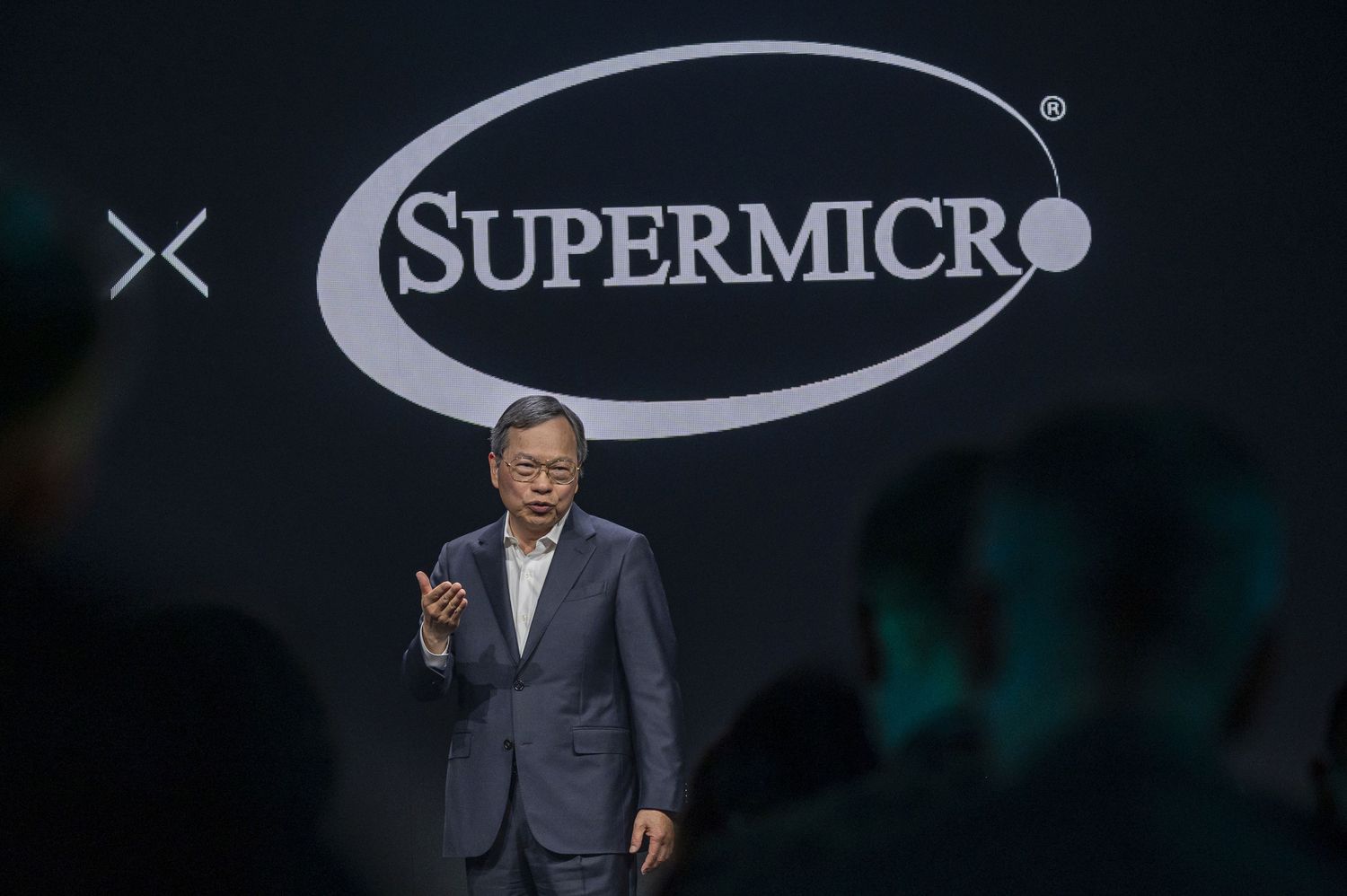
Bloomberg’s report was also supported by the Financial Times. Multiple people familiar with the matter revealed to the two media outlets that Super Micro’s office is indeed within the scope of the latest round of operations by the Taiwanese authorities against the GPU smuggling chain. A document submitted by Taiwan's Albatron Technology Co., a distributor of Super Micro products, also confirmed the fact that law enforcement agencies conducted searches at relevant locations. Previously, the U.S. government had filed criminal charges against some individuals involved in the case, which focused on the illegal transfer of NVIDIA artificial intelligence chips to China.
According to previously disclosed prosecution documents, Super Micro's co-founder and a contractor were accused by the United States of smuggling AI chips worth approximately $2.5 billion into China. The two have currently pleaded not guilty in a New York court. After the raid in Taiwan, Super Micro issued a statement to the Financial Times in response, saying that the company's products were frequently mentioned in relevant investigations and that the company itself "continues to cooperate with law enforcement and government agencies in Taiwan and other jurisdictions to ensure that its technology is distributed according to established legal uses." The company also stated that it is working closely with relevant Taiwan authorities to ensure that relevant laws and regulations involving export controls are complied with.
It is worth noting that although the United States has imposed strict restrictions on China's access to NVIDIA chips, under Taiwan's current legal system, re-exporting chips from Taiwan to China does not itself constitute a criminal offense, which also creates a complex legal environment for the investigation. In its statement earlier this year, Super Micro emphasized that the actions of the accused individuals "violated the company's policies and compliance controls, including attempts to circumvent applicable export control laws and regulations," and emphasized that there is a clear distinction between the company-level position and the alleged actions of individuals.
Following U.S. charges against individuals involved, Super Micro announced it was terminating business relationships with the contractors involved and suspended two employees suspected of being involved in smuggling. When the incident came to light, the company's stock price plummeted 33%, reflecting the capital market's concerns about compliance risks and its impact on the company's business prospects. Manufacturers such as Super Micro and Dell play an important role in building global AI infrastructure and are responsible for integrating NVIDIA's AI chips into data center server systems. Therefore, any investigation related to export controls and compliance risks may affect the wider industry chain.
At present, the raids in Taiwan are still progressing, and no further conclusions have been announced about the relevant investigations. Super Micro emphasized that it will continue to fully cooperate and reiterated that its technology distribution should be "in line with the intended use of the law." In the context of the United States' continuous tightening of export restrictions on mainland China's acquisition of high-end AI chips, this case is regarded as an important case that tests the compliance of cross-border supply chains and regional legal differences. It has also brought the regulatory gray area surrounding GPU smuggling and re-export into focus again.