According to Bloomberg, as recently as the end of May this year, Choi Seung-ho was hailed as a hero. The union leader rallied Samsung employees to demand a larger share of Samsung's chip profits and successfully secured a staggering additional benefit. Some semiconductor employees in particular have benefited greatly, and they are expected to receive bonuses of about $400,000 this year.
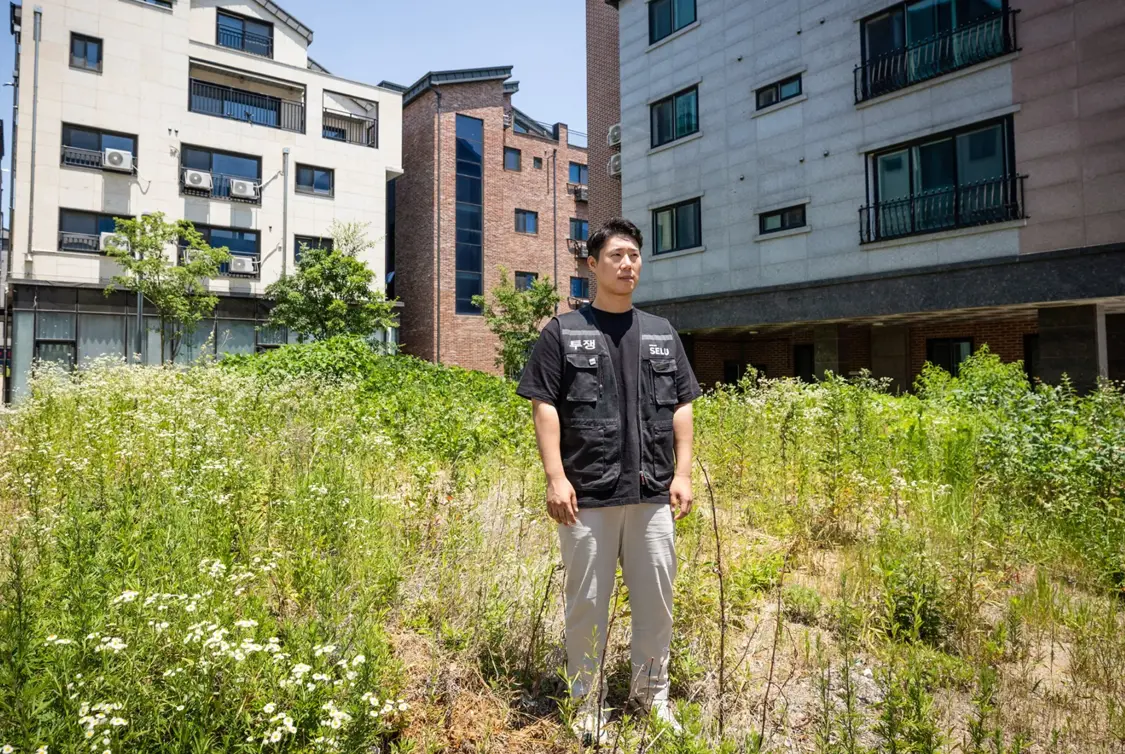
Samsung union leader Choi Seung-ho
However, the joy is short-lived. Samsung employees in lower-margin business units are angry that their bonuses are much lower than those at the semiconductor unit. In some cases, the bonuses they received were as little as 1% of what their colleagues in the memory chip division received. Some employees started wearing black clothes and masks to work to express their dissatisfaction.
"Unfortunately, some people were dissatisfied with the results," Choi Seung-ho said in a recent interview, days before he submitted his leadership to a vote of confidence. Ultimately, he retained his position. 88% of union members voted for him last week, but that only came after thousands of members quit the union.
Today, he leads a deeply divided organization: The union's latest membership count is less than 55,000, falling to less than half of Samsung's domestic workforce, meaning the union has lost its status as the only bargaining channel between employees and management.
Choi Seung-ho chose to be interviewed in a quiet cafe far away from the Samsung campus in Pyeongtaek, a port city located 50 kilometers south of Seoul. Walking on the streets, he said, he felt both passionate gratitude and silent resentment.
Choi Seung-ho, 35, the son of a fishmonger, has long been regarded as a loyal employee with no interest in the union movement. His involvement in union work came almost by accident. He posted on social media about community affairs and workplace issues, gaining traction among his colleagues. He eventually used this influence to demand that Samsung share in the dividends of the AI boom.
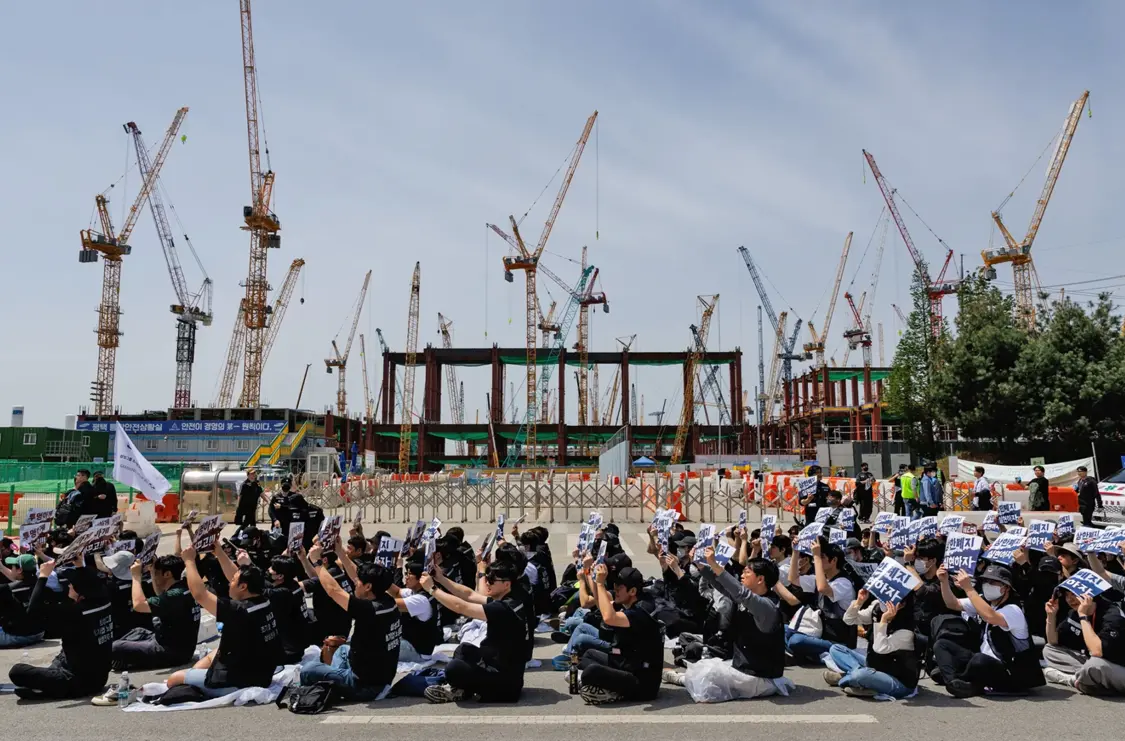
Samsung employees threaten to strike
His experience highlights that the AI gold rush has not only made South Korea's new generation of technology employees more daring to fight for their rights, but also created new divisions among them. Led by atypical leaders like Choi Seung-ho, Millennial and Generation Z employees mobilized not out of a sense of solidarity but to maximize personal gains. They tore up the traditional, unwritten contract of absolute loyalty to Samsung in exchange for lifelong career security.
"What happened at Samsung reflects a broader shift in South Korea's labor market." said Shin Jae Yong, a professor at Seoul National University and a leading expert on compensation. Workers in their 20s and 30s, who have experienced fierce competition for education and employment, face greater economic uncertainty than the baby boomers who have benefited from decades of rapid growth in South Korea, he said. "This makes younger employees more sensitive to fairness. When a company is wildly successful, they think it is not too much to ask for a fair share," he said.
bonus controversy
After tough negotiations, Samsung and the union reached an agreement that could bring a total of about $26 billion to chip workers. Among them, employees in Samsung's memory chip division received the highest bonuses, but even in the foundry and system LSI business divisions that continue to lose money, employees also received bonus promises of about US$100,000.
In contrast, employees in the mobile business and consumer electronics departments were treated the worst, with bonuses of only about $4,000. The result sparked huge dissatisfaction among employees who make Galaxy phones, TVs and washing machines. Many believe this disrespects their contributions over the years, including during periods when the semiconductor market was in deep downturn.
In an internal memo after the bonus agreement was signed, Samsung co-CEO TM Roh said he understood the outcome made employees in the electronics business feel "alienated, deprived and disappointed." He promised to personally monitor and reassess business operations.
As Samsung doubles down on AI, the gap is likely to widen further. Last week, the company announced plans to spend hundreds of billions of dollars on a government-backed AI project, including building a second semiconductor cluster in the underdeveloped Southwest. The $880 billion project, also backed by SK Hynix, aims to double South Korea's storage capacity within five years.
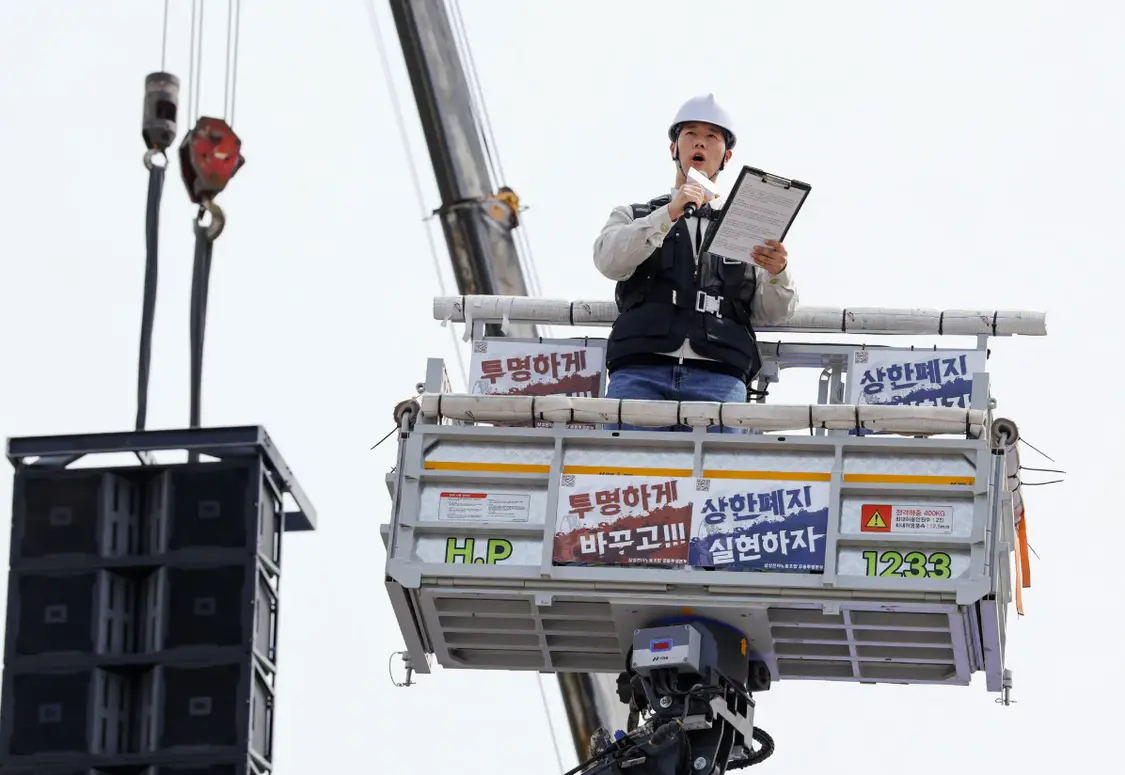
Cui Chenghao delivered a speech
After the investment announcement, Cui Chenghao called for talks with the government and management on July 1 to ensure that the new factory will have complete infrastructure and provide workers with reasonable wages.
Looking back on the difficult negotiations over the past few months, Cui Chenghao expressed his belief that the union has done its best. The young union, which has just four leadership members, faces the threat of emergency government orders and lacks guidance in handling Samsung's complex affairs.
"As a young and scrappy union, we did face limitations at times and felt considerable government pressure in the final days of negotiations," he said. "But given Samsung's massive business structure and the outsized profits from its storage business, I think conflict is inevitable."
On a recent afternoon, Choi Seung-ho's mother was still working at the fish stall. She said she was worried about the controversy surrounding her son. "He is just an ordinary person who has been doing his best," she told reporters.
Choi Seung-ho said he plans to resolve divisions within the union by narrowing the bonus gap between employees in the storage division and those in loss-making non-storage divisions.
But he also said that the interests of semiconductor workers and employees in other departments have diverged so much that they may need to be represented by different unions. Samsung is on track to become one of the world's most profitable companies this year, largely thanks to its semiconductor unit. The unit's profits increased 48-fold in the first quarter.
"Right now, I have to focus on resolving the internal divisions," he said. "As for those who are dissatisfied, I understand. I would feel the same way."