On July 12, Bloomberg published an article on Saturday, revealing the ins and outs of Apple’s lawsuit against OpenAI. The article stated that OpenAI is still exploring AI hardware, and its vigorous poaching has aroused Apple's vigilance. Apple believes that OpenAI is trying to copy Apple's product development system internally. Moreover, the "mastermind" of this case once competed with Apple's incoming CEO John Ternus for the position of head of hardware, and the relationship between the two was not harmonious.
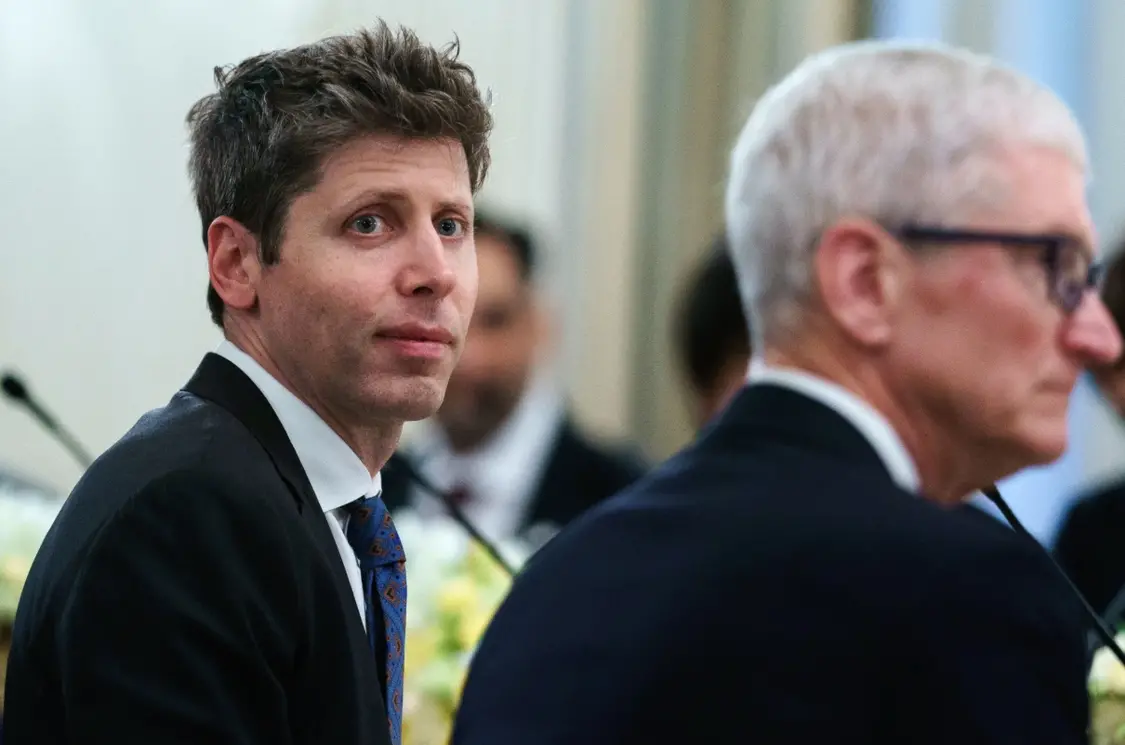
Ultraman and Cook
flagrant
When iPhone engineer Chang Liu jumped ship to join OpenAI's newly formed hardware division, Apple said he was taking more than just years of experience with him.
According to the lawsuit filed by Apple on Friday, Liu Chang also took three things with him when he left: an unreturned company-issued MacBook, a close relationship with an Apple employee who continued to share internal information, and most crucially: he mastered a software vulnerability that allowed him to continuously access Apple's internal file servers.
"Haha, I found out that I can still access (network storage), it's so funny." Liu Chang wrote in a message to former Apple colleague Alyssa Peng.
Apple alleges that Liu then used that access to download presentations, hardware designs, manufacturing details and testing processes. And this all happened while he was already working at OpenAI.
According to the lawsuit, when Liu Chang discovered the software vulnerability, Peng Yuting came to help. "I'm ready," she replied, then used her computer to help get more inside information. A few months later, in April of that year, Peng Yuting also left her job to join OpenAI’s growing hardware department.
She joins more than 400 former Apple employees. They were attracted by the opportunity to develop a new generation of devices designed to replace the two-decade-old iPhone. The salary and stock options provided by OpenAI also far exceed Apple's relatively inferior salary package.
Apple said the incident was one of many examples showing that OpenAI "systematically obtained, retained and used" its confidential information to help OpenAI replicate the results of Apple's decades of experience in building the world's most successful consumer electronics business.
"Mastermind"
The lawsuit comes after tensions between Apple and OpenAI have escalated for months. The two companies were originally partners, but now they are increasingly becoming competitors. Both are vying for the nascent market for artificial intelligence devices, an emerging category that promises to redefine how consumers use technology.
At the center of the dispute is Tang Tan, a former Apple executive who was responsible for the design of iPhones, smartwatches and many other products. He told his superiors at the end of 2023 that he would leave to pursue a new job opportunity, which eventually became OpenAI's hardware director.
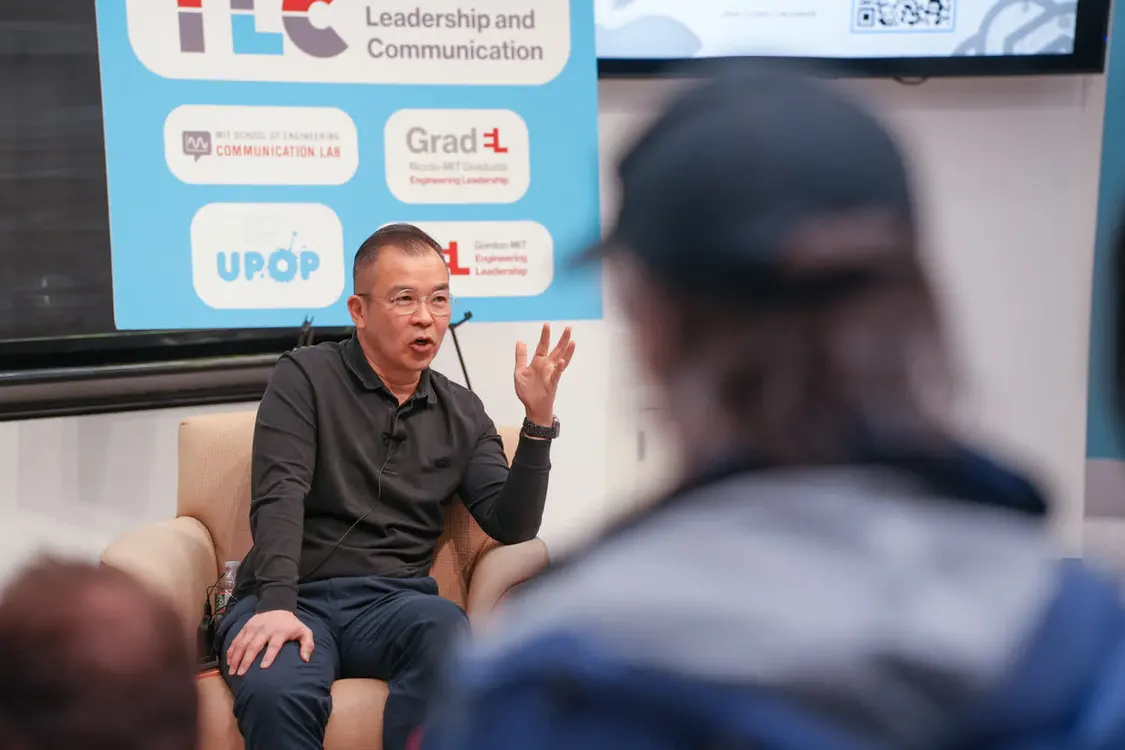
Tan Tang
At the time, there was little sign that his departure would eventually turn into a court battle. In a rare move, Apple allowed him to stay on until February 2024, putting him in charge of completing a transition that involved reorganizing the hardware division.
Behind the scenes, however, Tan Tang had already begun working with former Apple design chief Jony Ive and OpenAI CEO Sam Altman to plan an ambitious new hardware project. Their goal is to create a new category of artificial intelligence devices that may even challenge the status of the iPhone in the future.
Tan Tang and Ivey co-founded io Products, a startup that was later acquired by OpenAI for $6.5 billion. They are also working on the project with Ive's successor at Apple, industrial design chief Evans Hankey, and former manufacturing manager Scott Cannon, who left the tech giant in 2010.
Apple alert
OpenAI’s large-scale poaching of Apple talent quickly aroused Apple’s alarm. This talent offensive not only poached Apple's senior hardware and design leaders, but also severely weakened multiple teams within its engineering department.
This poaching continued until recently. In June this year, OpenAI recruited Paul Meade, head of Apple Intelligence’s glasses business. According to people familiar with the matter, the executive was quickly kicked out of Apple and was not allowed to hand over.
From Apple's perspective, OpenAI's talent war is tantamount to trying to copy Apple's product development system internally. “OpenAI’s fledgling hardware business is now built on an extremely fragile foundation, its foundations eroded by illegal reliance on misappropriated trade secrets,” Apple said on Friday.
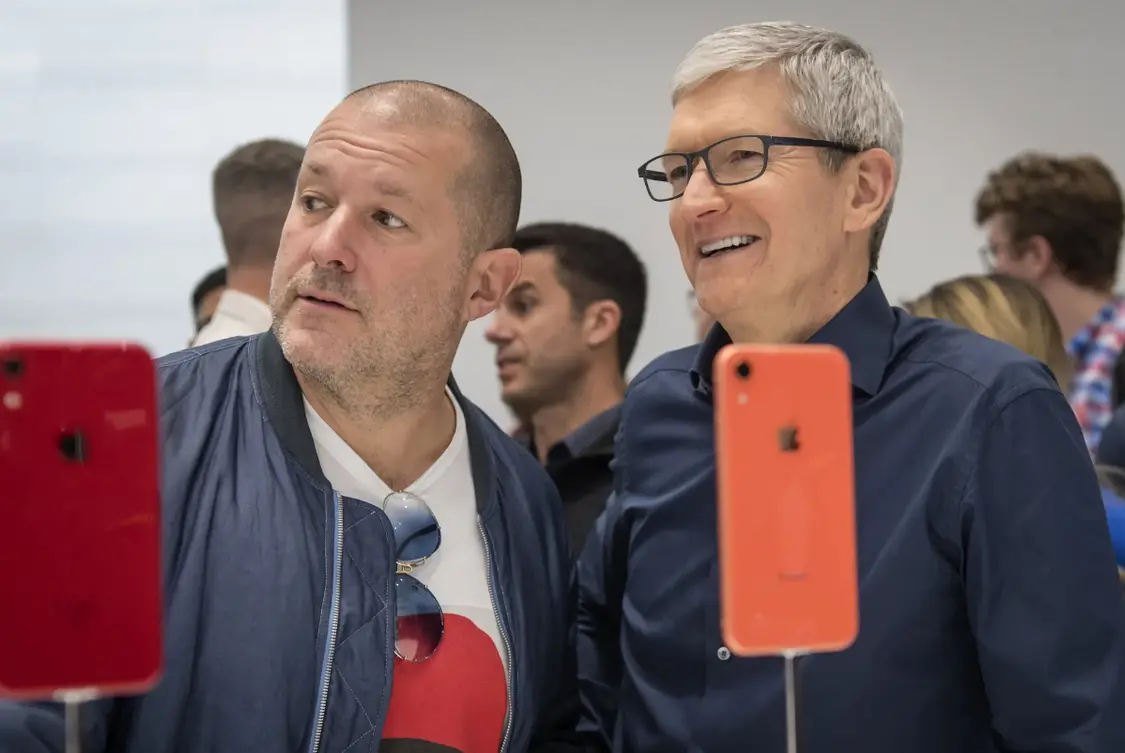
Ivey is designing hardware for OpenAI
According to a person who has worked with Tan Tang, Tan Tang was known for taking risks during his 25-year career at Apple, often "walking on the edge of danger." "He was known for moving quickly, doing things boldly, being eclectic and breaking the rules," said the person, who requested anonymity to discuss former colleagues.
Tan Tang rose to prominence in the design work of early Mac notebook computers and iPods, and then took over the product design function of the original iPhone. By 2011, he was fully responsible for the iPhone design team, and later led the design of Apple Watch. When he left, he was among Apple's top executives.
OpenAI is still figuring out the hardware
Meanwhile, OpenAI has invested billions of dollars in its hardware business and is accelerating its initial public offering (IPO). However, according to people familiar with the matter, the startup acquired io with little practical results other than concept designs and early prototypes. They said that at that time, OpenAI was still stepping up its efforts to find an attractive product strategy.
OpenAI is now developing a device powered by artificial intelligence and designed to replace smartphones, but its first product may be simpler, people familiar with the matter said. The company has explored a variety of product concepts, including headphones, smart glasses, and speakers equipped with artificial intelligence capabilities.
At the same time, Apple is also developing a new line of home devices, camera-equipped AirPods, glasses and other wearables.
Apple said it tried to resolve the dispute through communication before filing the lawsuit, including contacting OpenAI in February. Apple said it expressed concerns to OpenAI at the time that Apple confidential information had flowed into the company and asked OpenAI to investigate and take steps to prevent a similar situation from happening again. Apple alleged that OpenAI never responded.
Apple's new CEO
The lawsuit also highlights the tense relationship between Tan Tang and his former boss, incoming Apple CEO Ternus. Most of the talents OpenAI poached from Apple came from Ternus' hardware engineering department, and when competing for the top position in the hardware business in 2021, some designers supported Tan Tang instead of Ternus.
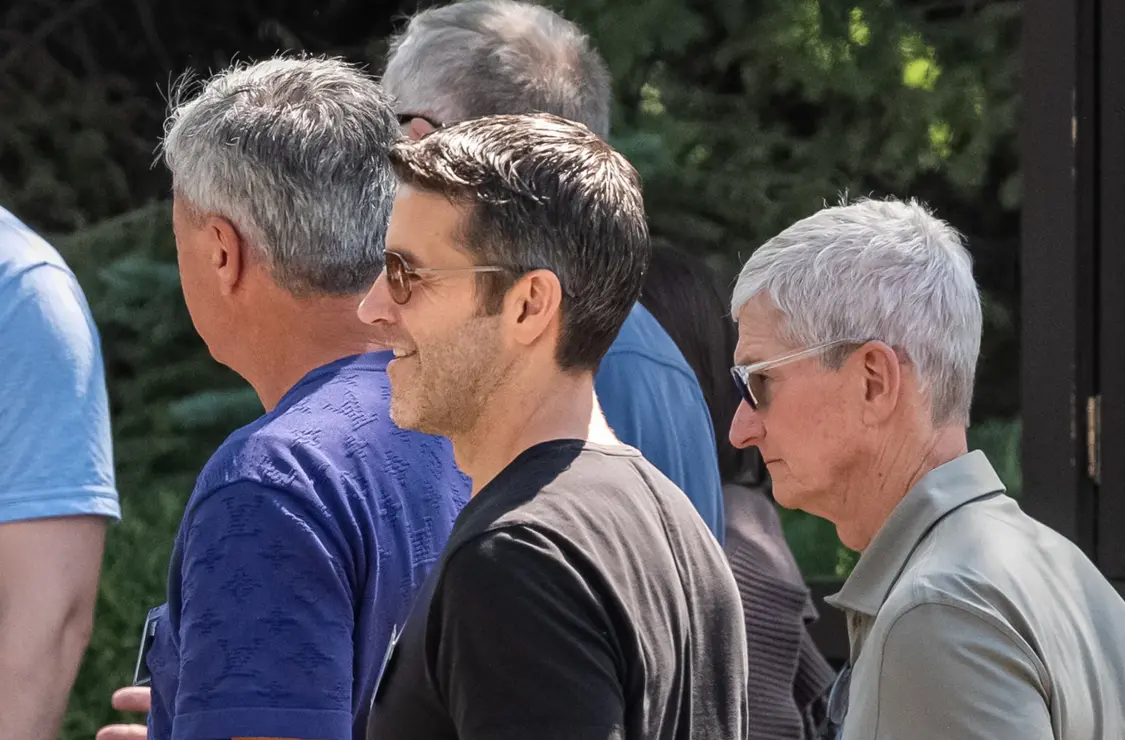
Tenus and Tan Tang have a tense relationship
Apple portrayed Tan Tang as the mastermind of the operation to obtain confidential information, accusing him of using interviews with job candidates as a way to gather information about Apple's unreleased products.
Apple said that in one case, an employee obtained information about an Apple project just hours before a job interview with Tan Tang. "Subsequently, during the interview process, Tan Tang proactively asked for more information about the same Apple project. This has become a common pattern," the lawsuit states.
Apple also alleged that once employees signed up to join OpenAI, they were encouraged to send information from their Apple devices to their personal mailboxes before leaving Apple for future use while working at OpenAI. The lawsuit alleges that OpenAI provided new employees with a "list compiled by Tan Tang" to help them avoid detection by Apple's security team.
Apple also alleged that Tan Tang even asked candidates to bring prototype devices to the interview. This includes batteries, logic boards and other components, according to the complaint.
At least one Apple employee who applied for a job at OpenAI was concerned about the practice, saying he was "surprised that someone would" bring unreleased hardware to an interview. He said he "didn't know we could actually take this stuff out of the office." And in most cases, they really can't.
As of press time, OpenAI employees involved in this case, including Tan Tang, have not commented on this matter.