In Guinea-Bissau's Poé National Park, some special trees stand in a savanna. The tree trunks are covered with signs of damage, and rocks thrown by chimpanzees are piled at the foot of the trees. This rare behavior, called "cumulative stoning," is becoming an important clue for scientists studying primate culture and communication.
Researchers Robyn Nakano and Ammie Kalan from the University of Victoria recently went to the local area to conduct a systematic study of this phenomenon. The study found that this behavior is concentrated among adult male chimpanzees, who repeatedly throw rocks at specific trees. This process is often accompanied by loud noises. Chimpanzees will make long-distance "panting" sounds and cooperate with the "root drumming" behavior of tapping tree trunks. This peculiar behavior has so far been documented in only four chimpanzee populations in West Africa.
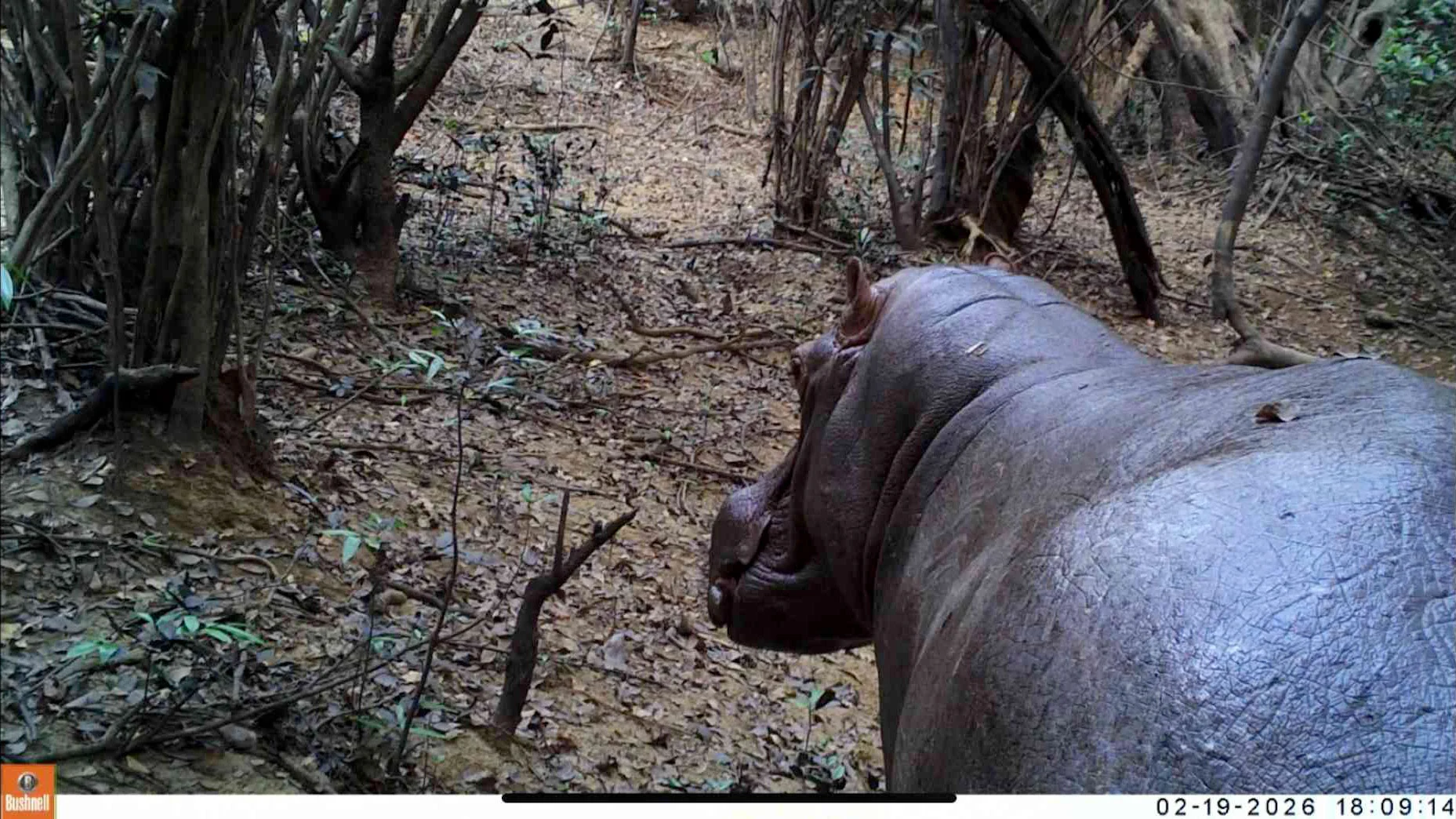
The researchers believe this is likely a cultural trait, as not all populations exhibit this behavior even under similar resource conditions. Past research has speculated that this may be a means of communication or even some kind of symbolic territorial marking. However, the precise meaning behind this behavior and its true role in chimpanzee social life remain a mystery.
To uncover the truth, the research team set up a research camp in the village of Bailey in the Boe region. Because the local chimpanzees have not been domesticated by humans and are wary by nature, researchers are unable to conduct close on-site observations. To this end, they used infrared cameras and audio collection equipment to conduct comprehensive monitoring of the stone-throwing point, and conducted 3D modeling and measurements of the trees and stones on site. They hope to infer the social message conveyed by the behavior by analyzing the thrower's age and gender, as well as feedback from surrounding group members.
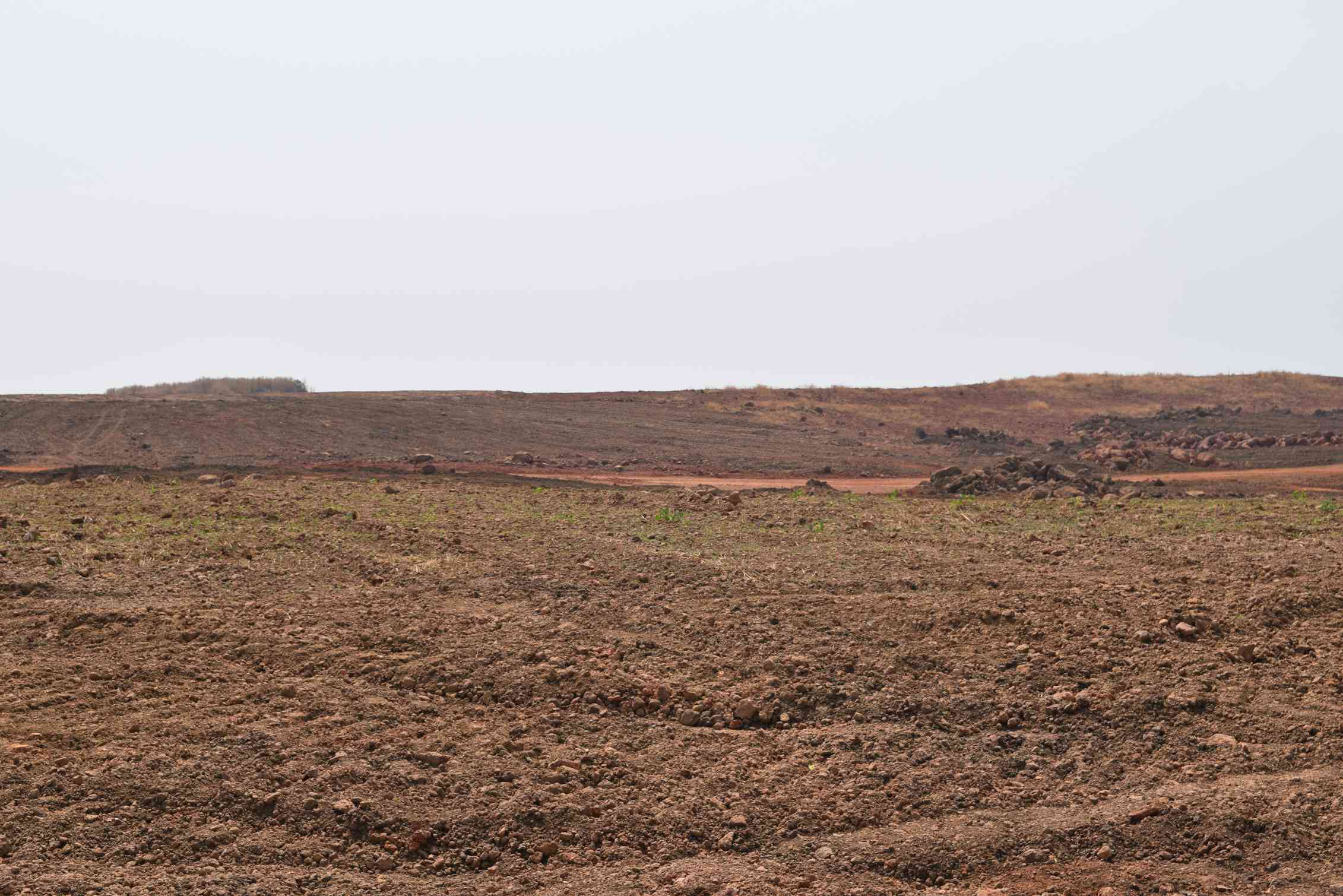
It is worth noting that these trees "favored" by chimpanzees are often used for as long as ten years. During the investigation, the research team discovered that this precious animal behavior culture is facing severe threats. As industrial mining, especially bauxite mining, has penetrated deep into chimpanzee habitats, drilling and environmental disturbance caused by mining exploration have increasingly deteriorated the habitat of these primates.
Experts pointed out that this is not only an academic study of animal behavior, but also related to the protection of primate cultural heritage. Although bauxite mining can bring economic benefits, the resulting habitat destruction and environmental pollution may have a profound impact on both chimpanzees and local people. Researchers call for the need to pay more attention to these rare behavioral evidences, promote species protection through scientific research, and protect this rare natural and cultural heritage when regional governance is still unstable and environmental supervision needs to be strengthened.