On July 13, according to the Wall Street Journal,Apple, under Tim Cook, has filed a lawsuit against OpenAI, continuing a familiar strategy: hoping lawsuits will slow down rivals and prevent them from disrupting the iPhone era..
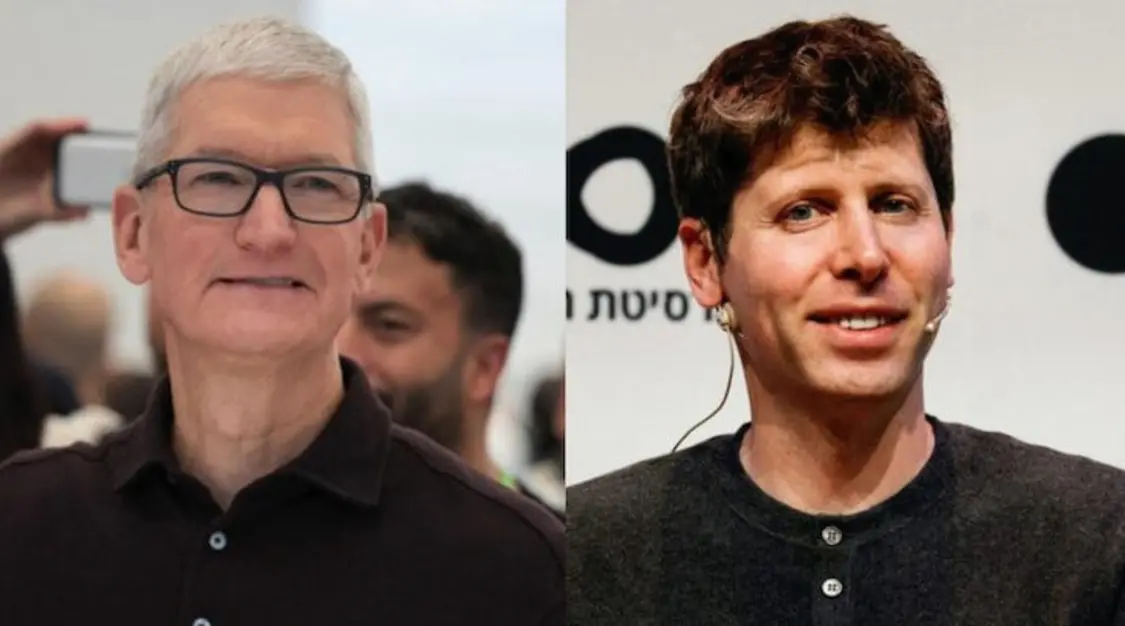
Cook and Ultraman
Apple founder Steve Jobs declared war on Google's Android operating system in 2010, calling Android a "stolen product" and declaring that he would launch a "thermonuclear war." Now, his successor is targeting Apple's new top rival.
One of Cook's last actions as Apple CEO before handing over the CEO role to John Ternus was to launch a "missile" at OpenAI. In a lawsuit filed on Friday, Apple accused an OpenAI executive of participating in a months-long campaign to steal Apple trade secrets. The executive once ran Apple's own product design team.
While it's unclear what evidence Apple has to support all of the claims in the lawsuit, the lawsuit comes at a time when OpenAI has yet to launch any related products and at a time when the entire tech industry is racing to develop devices powered by artificial intelligence in an attempt to push society into a post-smartphone era. The ultimate winner may control the future technology landscape just as Apple's iPhone dominated the consumer market in the past 20 years.
"I'm not afraid of Apple, but I respect them very much." OpenAI CEO Sam Altman posted on X on Saturday.
Apple's new threat
Big tech rivals have long tried to unseat Apple, but so far the likes of Google, Samsung, Meta, Microsoft and Amazon have failed. Today, OpenAI is becoming a new threat. The company has built powerful artificial intelligence models and is working on an as-yet-unspecified "family of devices" to run those models that could replace Apple's products.
Apple's innovation engine has failed to develop hit AI products and features, leaving it vulnerable to new entrants. Apple observers said that Apple's lawsuit may be trying to "create obstacles" to OpenAI, such as slowing down OpenAI's poaching of Apple employees.
The lawsuit, filed last Friday, is reminiscent of a series of lawsuits Apple has launched against various participants in the Android ecosystem since 2010. It was a legal battle that lasted eight years against hardware manufacturers that made competing mobile phones.
Then, as now, the core accusation was that competitors stole Apple's innovations. Apple said Samsung had sold millions of smartphones at the time that were "completely copied" from the iPhone, something Samsung denied. After lengthy and costly litigation, the two companies settled in 2018.
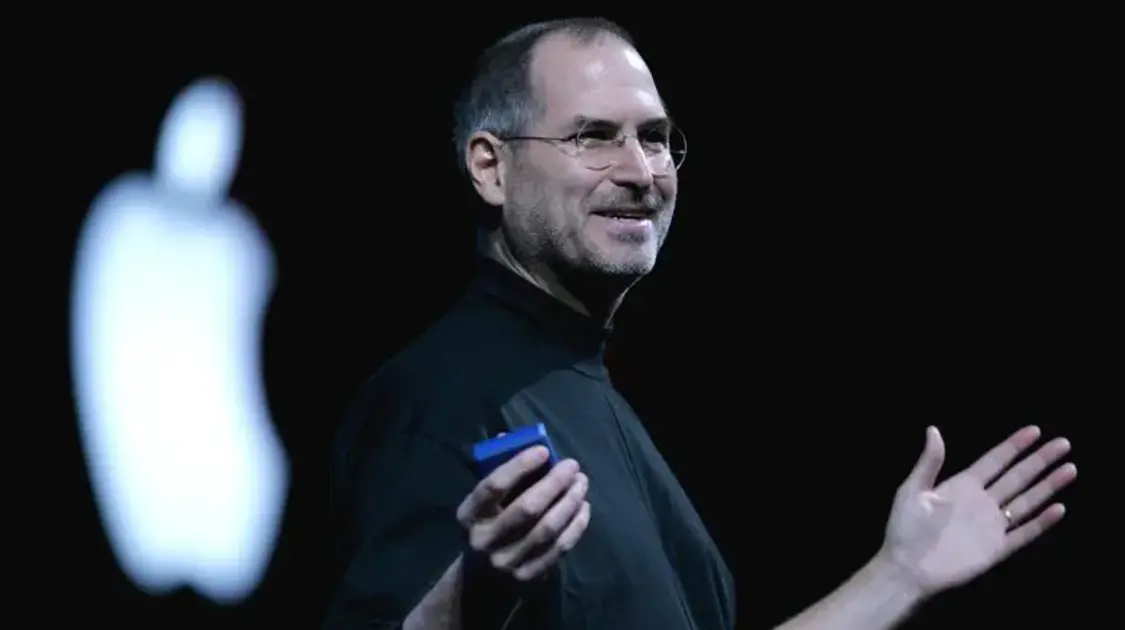
Steve Jobs declared war on Android
At the heart of every case Apple brings is a sense of trust being betrayed. Google's then-CEO Eric Schmidt served on Apple's board of directors during the development of the Android system. Jobs once told biographer Walter Isaacson: "I'm going to destroy Android because it's a stolen product."
Apple alleges in its latest lawsuit: "At every level...OpenAI has been stealing Apple's trade secrets."
Apple said a lower-level employee appeared to have crossed a line and used an Apple employee's login credentials to gain access to Apple servers. However, Apple also accused Tang Tan, head of OpenAI hardware, of soliciting trade secrets from Apple employees who came for job interviews and encouraging them to bring "real parts" from Apple to OpenAI to participate in "display and exchange" activities. Tan Tang worked at Apple for 24 years and was eventually promoted to vice president of product design.
But people familiar with the technology industry’s hiring process say it’s not uncommon to bring parts to engineering interviews. Interviewers expect candidates to explain their work in detail. The crux of the matter is whether these parts are sensitive items. Apple has not provided evidence on this and is currently seeking to find out through discovery proceedings.
An OpenAI spokesperson said: "We have no interest in other companies' trade secrets. We remain focused on building innovative technologies that empower users around the world."
During his tenure at Apple, Tan Tang worked closely with Jony Ive, Apple’s famous industrial design leader. Ive later left Apple to start his own design company, and subsequently poached Tan Tang from Apple. In 2025, OpenAI acquired io Products, a hardware startup founded by Ivey, and let it take the lead in promoting its own hardware development plan.
In the technology industry, once allies can quickly become competitors. OpenAI’s acquisition of io was only one year after it announced its cooperation with Apple. The two parties have previously reached a cooperation to integrate ChatGPT into some iPhone functions. The acquisition also exposed OpenAI’s intention to push consumers away from smartphone screens and towards new devices.
Attack on Apple failed
Big tech companies have so far failed to challenge Apple's phone dominance. Amazon's Fire smartphone and Microsoft's Windows Phone operating system ultimately failed.
Mark Zuckerberg has also made several attempts to circumvent the iPhone's control, including a recent push to create an alternative tech ecosystem called the Metaverse, renaming and reorganizing the company around the idea. But this vision has not been recognized by the market. Ray-Ban Meta smart glasses have become a popular new consumer device, but their sales are still minuscule compared to iPhone sales.
Elon Musk is equally dissatisfied with Apple's control over the digital economy. A unit of SpaceX is suing Apple, accusing Apple of unfair treatment of its artificial intelligence applications. At the same time, SpaceX is also developing prototypes of artificial intelligence devices similar to smartphones. Apple said that its App Store relies on algorithms and expert screening mechanisms to operate and does not suppress competitors.
Buying time for AI
The irony of Apple’s lawsuit against OpenAI is that Apple itself has often been accused of stealing ideas from other companies, which has even spawned a well-known new term in the technology circle - "Sherlocking." Sherlocking refers to Apple integrating the functions of third-party applications into its own system, causing the original applications to be eliminated.
Apple is trying to catch up in the field of artificial intelligence. Its Siri chatbot is getting a long-awaited overhaul and will be available to consumers this fall. However, it failed to develop the underlying AI capabilities of the new version of Siri on its own, instead relying on Google to provide technical support.
If the new version of Siri AI is free and more powerful, will iPhone users continue to pay to use ChatGPT?
Apple also has a hardware advantage. Every Apple device is equipped with powerful chips designed by Apple. The capabilities of these chips go beyond supporting the new version of Siri. Apple currently has billions of users using Apple devices, especially iPhones.
For companies developing the most advanced artificial intelligence models, if they hope to reach consumers, they will likely have to go through Apple's platform and pay a "toll" to do so.
Perhaps Cook can buy Ternus some time by having Apple's legal team launch a lawsuit against a top AI competitor. But Apple will ultimately need to win the competition for future artificial intelligence devices, which will depend on product development capabilities, and Ternus will have to surpass his predecessor Cook in this area if he wants to continue the legacy left by Jobs.