According to the latest news from Korean display industry analysts, Nintendo is currently seriously considering the feasibility of launching an OLED screen version for its next-generation game console "Switch 2". Although there have been constant speculations in the market that the Switch 2 will use an OLED display, Nintendo has not yet made a final decision, and the company is internally evaluating the financial rationality of the move.
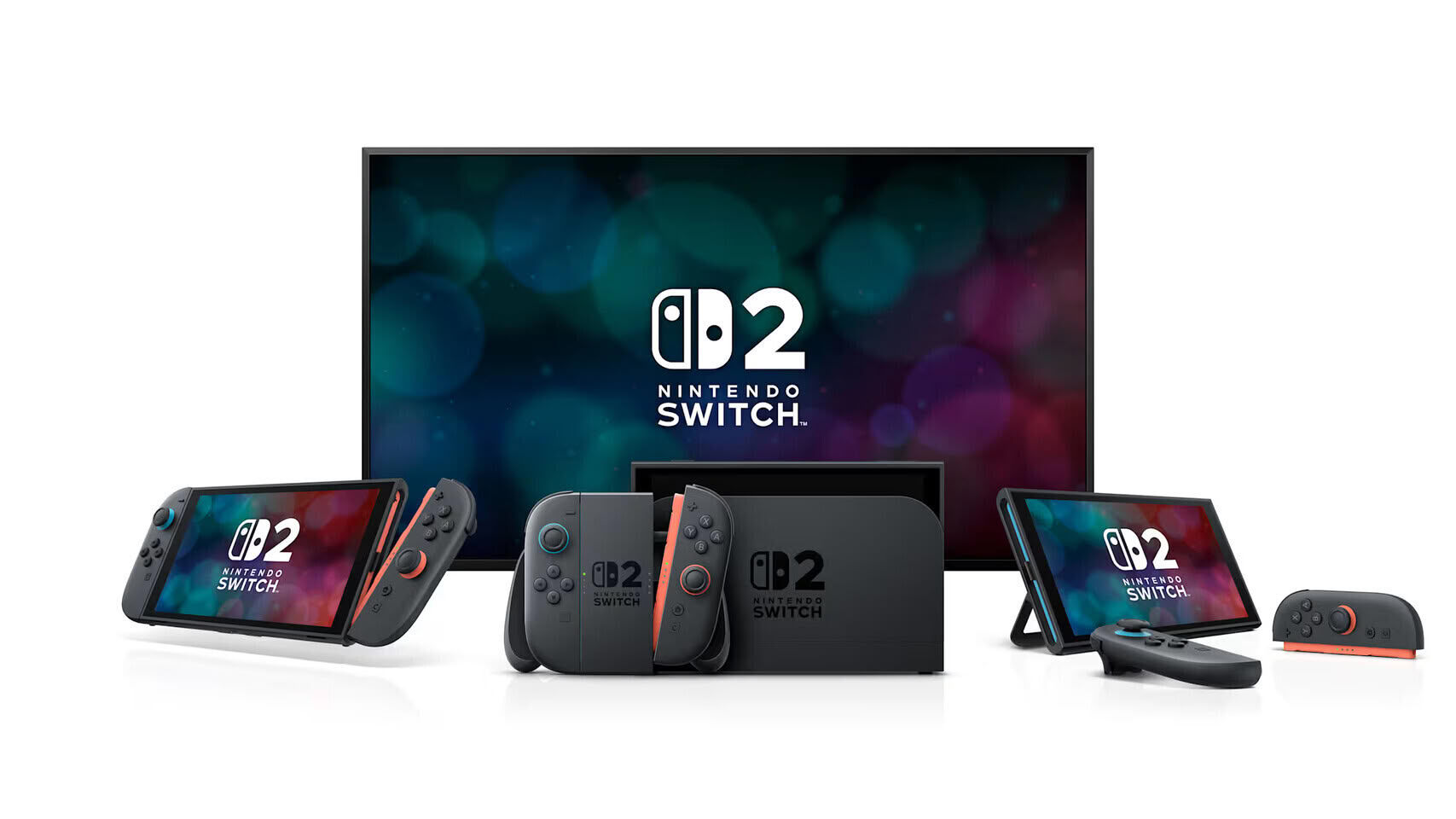
According to internal planning, if Nintendo ultimately determines that the project has commercial potential, development work is expected to start by the end of this year. If progress goes well, the mass production target of this model will be set at the end of 2027, and it is planned to be officially put into the market in early 2028. In terms of technology supply chain, Samsung Display is very likely to become the supplier of the rigid OLED touch panel required for this model.
However, financial challenges remain a core impediment to this decision. Rigid OLED panels cost significantly more than current 1080p LCD display panels. At the same time, tensions in the global memory and storage supply chain have also put huge cost pressure on Nintendo. Affected by this, Nintendo has had to increase the manufacturing cost of Switch 2 by about US$50, with the specific increase depending on different hardware configurations. As NAND flash memory and DRAM prices continue to rise, Nintendo's hardware costs will further increase starting from September 1 this year.
If Nintendo finally decides to adopt the OLED solution, the resulting additional panel costs will inevitably be passed on to consumers, and it is expected that the selling price may increase significantly by then. In addition, if the tight supply of memory chips cannot be alleviated, the regular LCD version of Switch 2 may also face a second price increase, which makes it even more confusing whether the OLED version is financially attractive in the current market environment. Therefore, Nintendo management is still carefully evaluating the need to launch research and development, and is expected to make a final decision in the next few months.
Looking back on the past, the first-generation Nintendo Switch relied on the move to upgrade from a 6.2-inch 720p LCD screen to a 7-inch 720p OLED screen, which significantly improved the visual experience by achieving pure black performance and deeper colors. But for Switch 2, the LCD version itself already has 1080p resolution, which means that if OLED technology is introduced, the visual upgrade it brings will mainly be reflected in the improvement of color contrast rather than resolution. Because of this, Nintendo is repeatedly measuring whether high hardware investment can bring enough value increment to users before putting it into the production line.