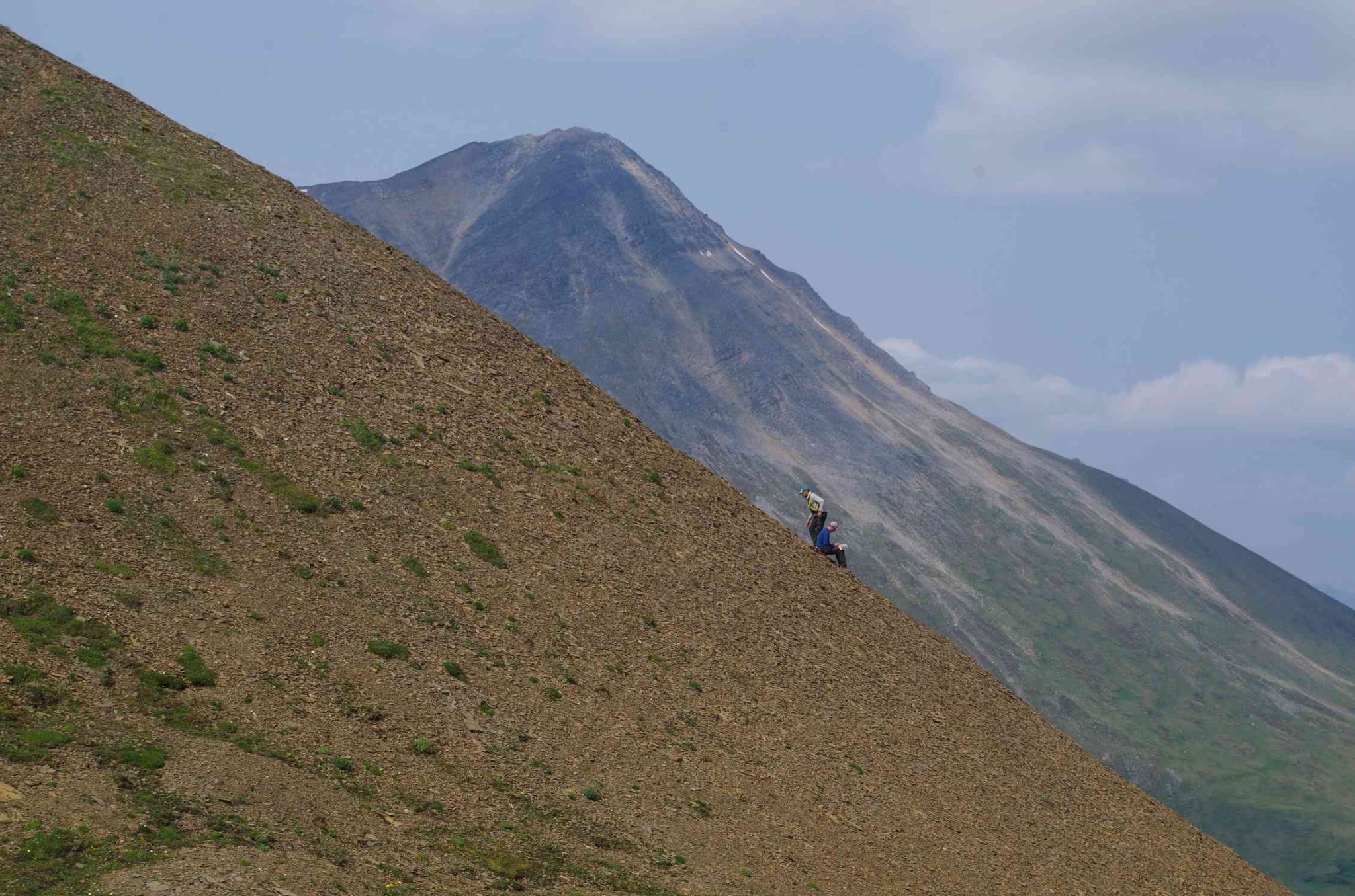
A study recently published in the journal Science Advances may prompt humans to re-examine the history of early animal evolution on Earth. A scientific research team led by Scott Evans, assistant curator of invertebrate paleontology at the American Museum of Natural History, discovered rare 567-million-year-old fossils in the remote Mackenzie Mountains of Canada's Northwest Territories. These findings suggest that the evolution of complex life began much earlier than previously thought.
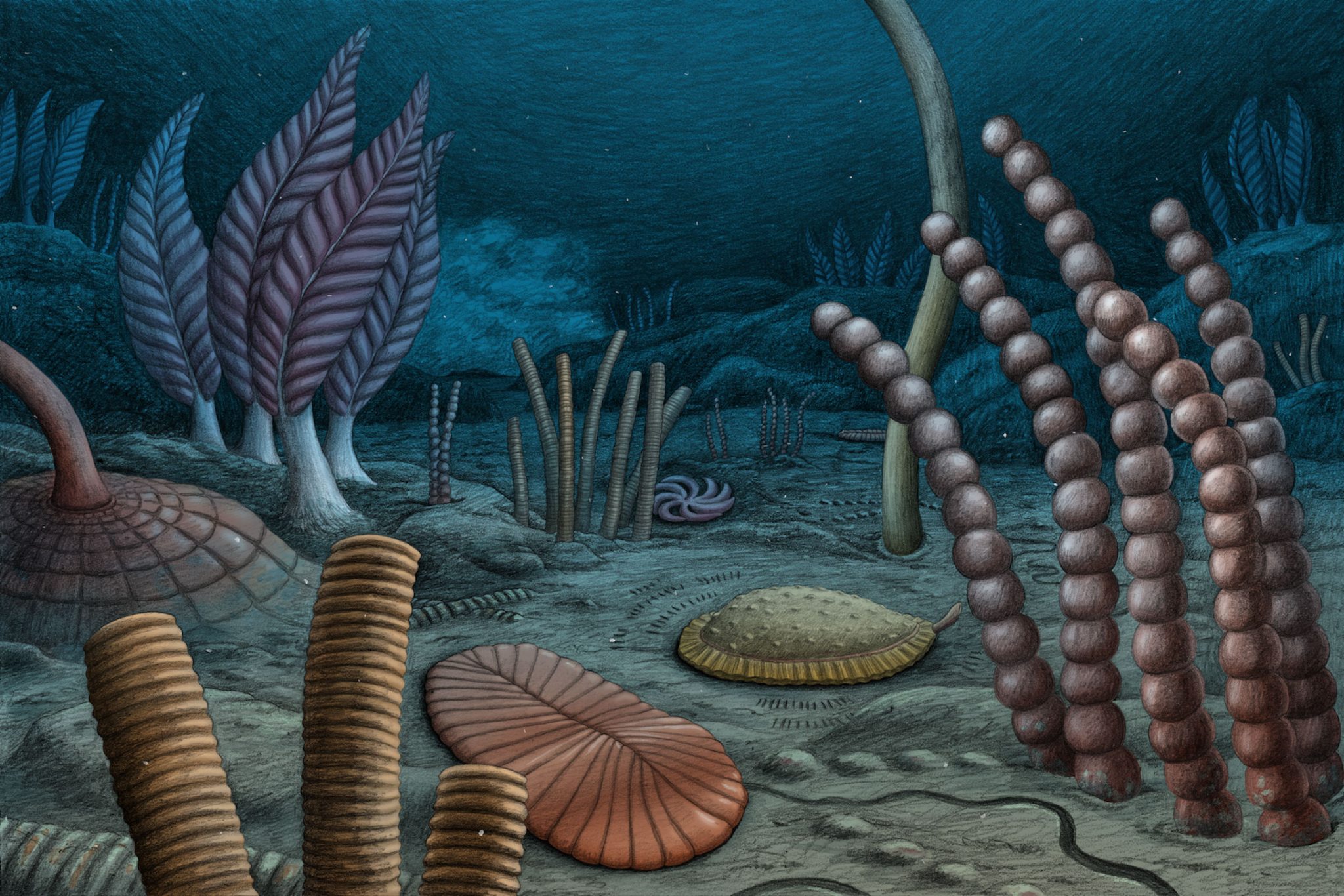
Before the emergence of terrestrial life or even fish, the earth's seafloor had already given birth to large and complex animals of various shapes. This period is called the Ediacaran Period, which dates from about 635 million to 538 million years ago. In order to clarify the relationship between these creatures and modern animals, paleontologists usually divide the fossil record of this period into three stages: Avalon, White Sea and Nama. Among them, the Avalon Assemblage is the oldest and is dominated by simple deep-water organisms; the White Sea Assemblage is in the middle stage and contains complex organisms such as the famous Dickinsonia jellyfish; and the Nama Assemblage appears the latest and contains the earliest hard-shelled animals.
The study combined on-site fossil excavation and geological exploration work. Researchers collected fossil samples in Canada's Mackenzie Mountains and dated the strata where they were located. The results showed that these rock layers are about 567 million to 566 million years old. Remarkably, the fossils contain a number of features originally thought to belong to the White Sea assemblage, such as leaf-like, segmented creatures with quilted body structures.
This discovery has multiple far-reaching implications. First of all, it greatly advances the appearance time of animals of the White Sea assemblage type, because previously academic circles usually set the age of this type of assemblage at 560 million to 550 million years ago. Secondly, this discovery breaks the original understanding of geography and environment. These fossils were not unearthed from shallow water areas as usually thought, but from deep water slope environments, proving that the geographical distribution of early animal communities was wider than previously understood, and their adaptability to the environment was also stronger.
This study challenges previous views on the clear boundaries between the "three stages of the Ediacaran", suggesting that ecosystems in different stages may have overlapped, rather than simply changing from one generation to the next. Research suggests that the evolution of early animals was more like a gradual ecological expansion rather than a sudden leap. In the relatively stable environment of the deep sea, early animals tried various body shapes, survival methods, and movement and feeding mechanisms. These "evolutionary experiments" in the deep sea laid the foundation for the prosperity that later appeared in shallow sea areas. Through this research, scientists have further realized that environmental pressure drove the evolution of early life, and nature wrote a chapter of complex life on the road of evolution through constant repetition and experimentation.