After Trump and Xi Jinping met in May this year, NVIDIA’s AI chip export policy to China ushered in a turning point. According to multiple U.S. officials and authoritative industry sources, the first batch of NVIDIA H200 artificial intelligence graphics processors (GPUs) has now started shipping to China, and related goods are being shipped to ports in mainland China and Hong Kong.
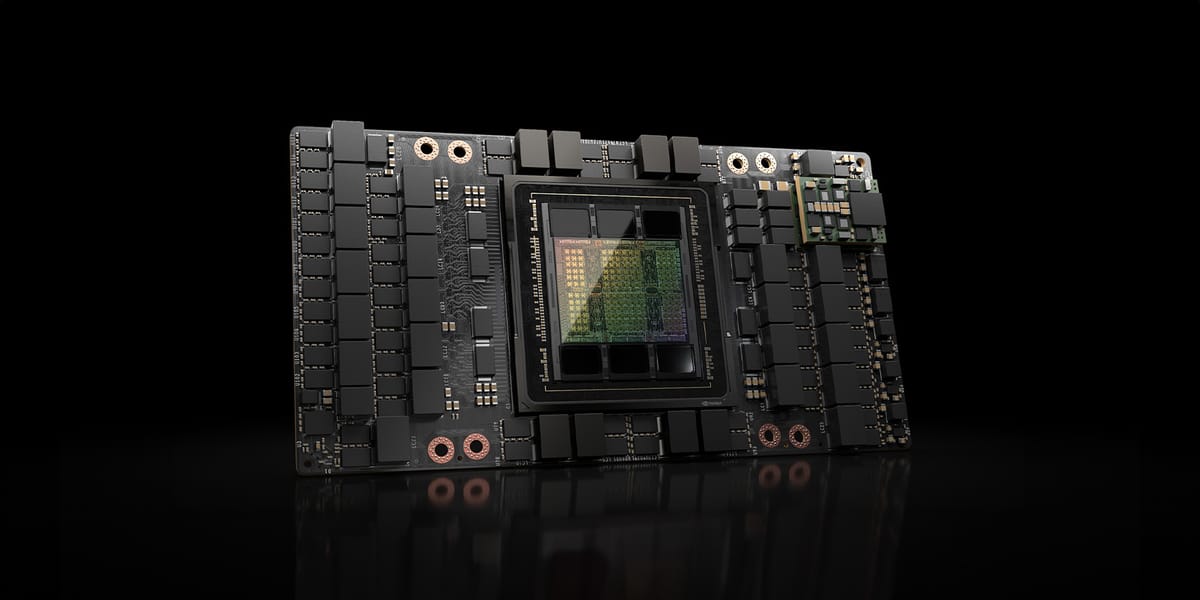
The export approval marks a softening of the U.S. stance on export control of artificial intelligence technology to China. Previously, NVIDIA's Hopper architecture products experienced many twists and turns when entering the Chinese market. They once launched an H20 exclusive version with significantly reduced performance. However, with the rise of China's domestic chip manufacturers and the adjustment of US export restrictions, the market structure has undergone tremendous changes. Currently, although higher-specification Blackwell architecture chips are still on the ban list for China, H200, as an important product during the transition period, has been allowed to be released to the Chinese market.
It is understood that the U.S. Department of Commerce has previously approved about 10 leading Chinese AI companies, including Alibaba, Tencent, ByteDance, JD.com and DeepSeek, to obtain procurement licenses. Relevant industry analysis shows that the total initial purchase volume allowed by these companies is expected to reach 75,000 H200 chips, and there is even news that this purchase scale is expected to be further expanded to 200,000 chips.
Although U.S. officials emphasized that the actual number of arrivals is still at a "very small" level compared to China's huge market demand, this action is regarded as an important signal for NVIDIA to return to China's official supply channels. During the past restriction cycle, NVIDIA's official AI chip market share in China once dropped to 0%, and most of the high-end computing power needs had to be met through the gray market.
Analysts pointed out that although NVIDIA has been laying out the Blackwell series with stronger performance and even the soon-to-be-released Vera Rubin platform, the lifting of the ban on H200 still provides an important compliance channel for China's computing power demand. In addition, since the United States has not yet implemented strict controls on CPU exports similar to those for GPUs, NVIDIA plans to supply Vera central processors to Chinese companies in the future. As the global market transforms from the pure pursuit of GPU computing power to the direction of Agentic AI (agent intelligence), the focus of competition in the chip market and computing power in the future may further extend to the CPU and overall machine architecture.