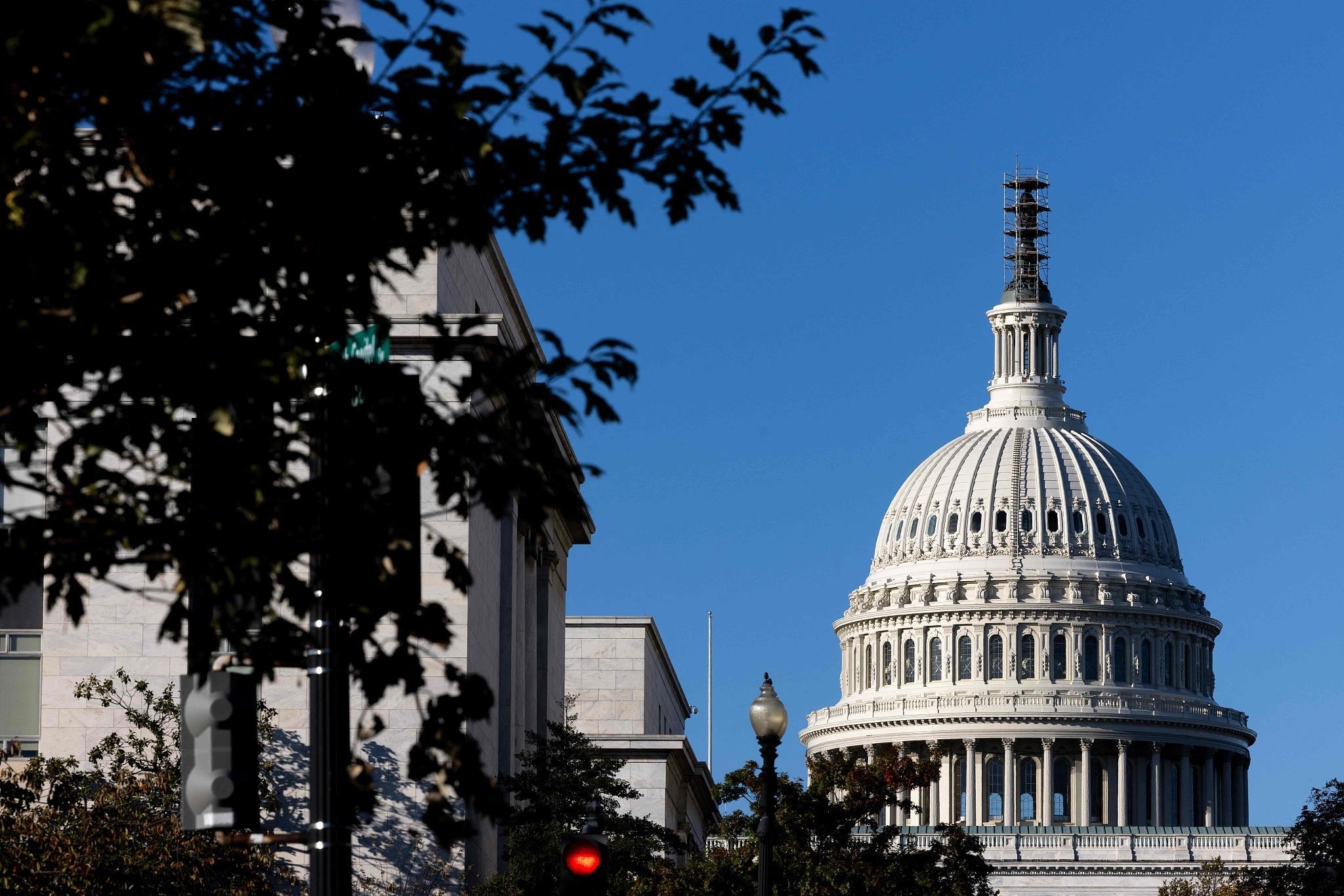
On July 14, local time, the U.S. House of Representatives voted to pass a bill to permanently implement daylight saving time and submitted the bill to the Senate for consideration. In May this year, the U.S. House of Representatives Energy and Commerce Committee passed the Sunshine Protection Act by a vote of 48 to 1. The bill aims to permanently cancel the practice of adjusting time twice a year in the United States and make daylight saving time permanent year-round.
Daylight saving time refers to moving clocks forward one hour to take advantage of the longer days and sunshine in the summer. The United States implemented daylight saving time nationwide for the first time in 1918 as an energy-saving measure during World War I. This measure was terminated after the end of World War I. During World War II, the United States once again implemented nationwide daylight saving time. After the end of World War II, nationwide daylight saving time was abolished. Whether to implement daylight saving time was decided by each state and local government. The inconsistent time in various places caused confusion. To this end, the U.S. Congress legislated in 1966 to establish unified daylight saving time rules across the country, stipulating that daylight saving time begins on the last Sunday in April and ends on the last Sunday in October. In 2007, the United States advanced the start of daylight saving time to the second Sunday in March and postponed the end to the first Sunday in November, which is still in effect today.
Daylight saving time was originally established to save energy, but sources say that modern research shows that its energy-saving effect is not as good as expected. Adjusting the clock twice a year will instead incur large economic costs. In addition, it may disrupt people's circadian rhythm and cause health risks.