As the global chip supply chain landscape evolves, China-based memory manufacturer Changxin Memory (CXMT) is rising at an alarming rate. According to the latest report from Citrini Research, Changxin Memory's DRAM production capacity has grown by leaps and bounds in the past few years, and its production capacity is quickly approaching that of US memory giant Micron Technology (Micron).
Data shows that Changxin Memory’s monthly DRAM production capacity in 2020 was only 40,000 wafers, and it mainly focused on DDR4 products. However, by the end of 2025, its quarterly production capacity had reached 720,000 wafers. According to the current development trend forecast, it is expected that by the end of 2026, Changxin Memory’s monthly production capacity will further increase to 350,000 to 375,000 wafers. If this goal can be achieved, its production scale will be on the same level as Micron Technology.
Currently, traditional DRAM and memory manufacturers are facing tremendous market pressure and have to prioritize the supply of most of their production capacity to AI data center projects, which has resulted in the memory chips required for other equipment being significantly reduced in priority. Against this background, the rapid expansion of Changxin's storage capacity has provided new variables to the market. Citrini researchers pointed out that the reason why Changxin Storage can achieve such rapid expansion is mainly due to the increase in memory prices driven by AI demand, making funds no longer the primary obstacle limiting its development. Currently, the main constraint faced by Changxin Memory is the difficulty in obtaining advanced semiconductor manufacturing equipment, especially when the export of related equipment from the EU to China is strictly restricted.
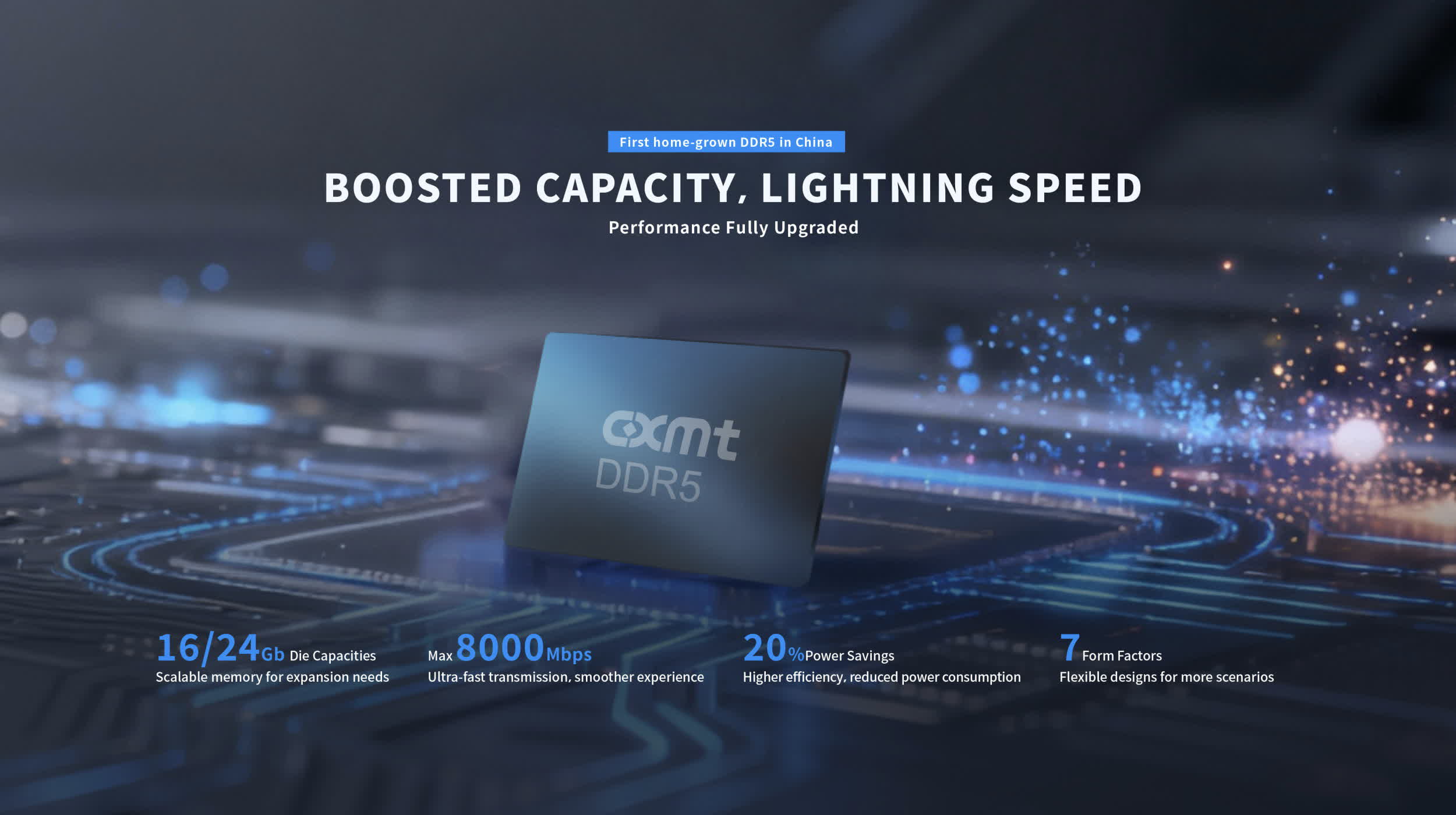
Although Changxin Memory does not currently have the capabilities to produce high-bandwidth memory (HBM) or high-end DDR5 modules for extreme overclocking, the penetration of its products in Western markets is increasing rapidly. Many brands, including Corsair, have begun to increase their adoption of Changxin memory chips, which also provides an alternative to the consumer market that is plagued by memory price fluctuations. Some analysts believe that strong demand driven by AI is causing high prices for consumer electronic products, and the rise of Changxin Storage may alleviate this supply-demand contradiction to a certain extent and bring new hope to users seeking cost-effective products.
From a long-term perspective, Citrini predicts that Changxin Memory’s production capacity is expected to further expand to 950,000 wafers per month in 2030. By then, the company is not only expected to become the largest memory manufacturer in China, but also expected to join the ranks of the world's top memory manufacturers, thus having a profound impact on the existing competitive landscape of the global memory market.