Facing the wave of “audio garbage” caused by generative artificial intelligence technology, music streaming giant Spotify is taking tough measures to maintain the platform ecosystem. According to data recently revealed by Spotify senior executive Sam Duboff, the company will have to remove as many as 75 million AI-generated music tracks from its servers in 2025 alone.
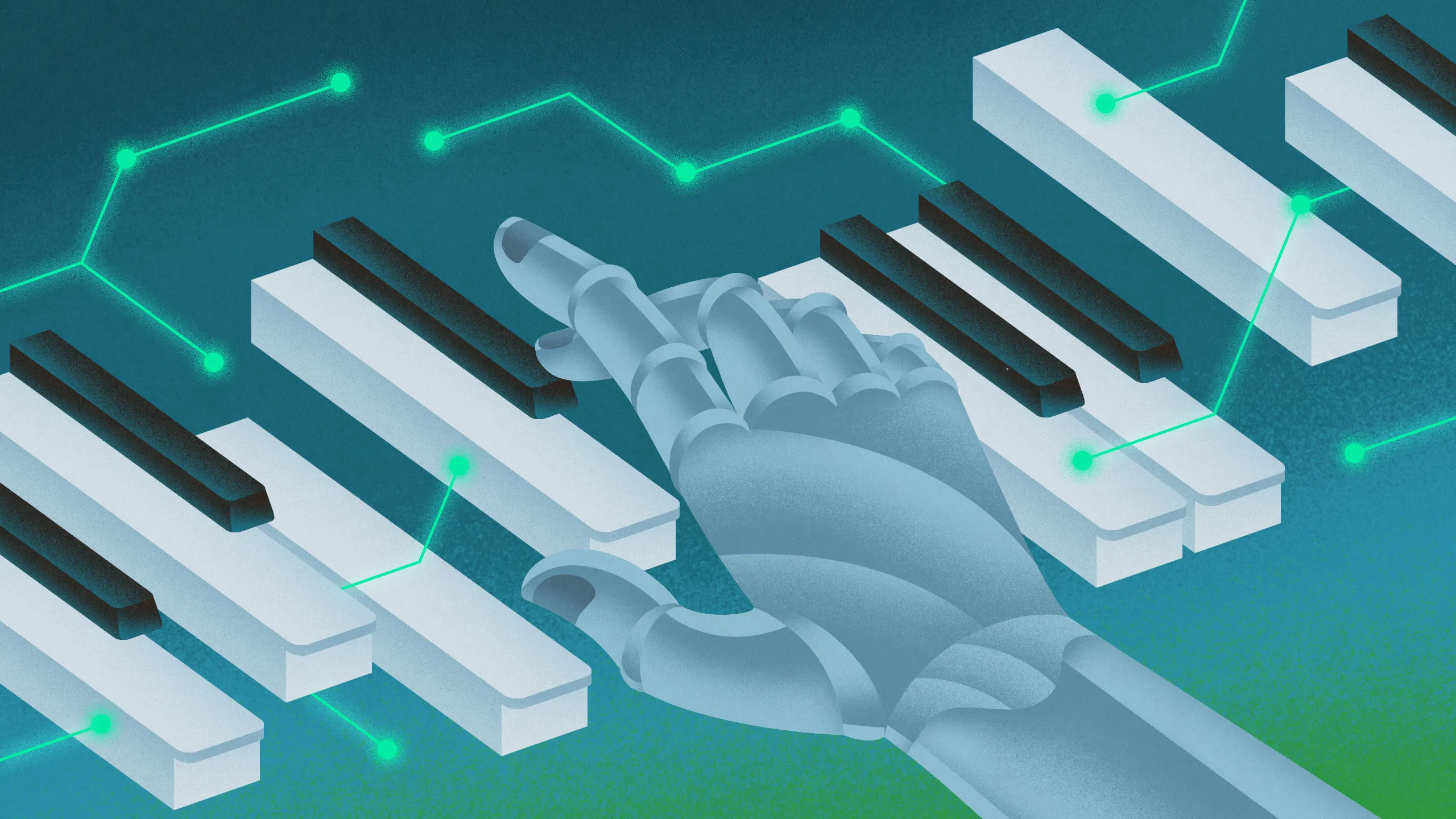
Currently, Spotify has a dedicated team responsible for identifying and combating AI-driven audio spam uploads and data scraping of platform content to prevent these content from being used to train new generative AI models. According to monitoring, about 100,000 new "songs" are automatically uploaded to the Spotify platform by robots every day, and the vast majority of the content is generated in batches at low cost through generative AI services or customized large language models (LLM).
Dubov pointed out in the interview that although generative AI has not created a new means of spam content, it has greatly improved the scale and efficiency of audio spam production. The 75 million works that were cleared were mainly "low-effort" content. Apart from simple chatbot instructions, they almost lacked the essence of human creation and were called "audio waste" internally by the platform.
However, Spotify is not completely exclusive in its attitude towards AI. The company clearly distinguishes between spam and legitimate creation. Currently, Spotify has allowed remixes and covers to be created through AI tools approved by music labels, and allows such works to be sold on the platform. At the same time, the company's co-CEO Gustav Söderström has also said that internal engineers are using AI agents to assist in coding work.
In order to further standardize the industry order, several major industry organizations, including the International Federation of the Phonographic Industry (IFPI) and the Recording Industry Association of America (RIAA), recently jointly launched a voluntary program aimed at clearly labeling AI-generated music. The plan calls for a clear distinction between music generated entirely by AI and works created by human artists using AI assistance to ensure listeners can clearly identify the creative source of the content.