According to the latest reports, Valve believes that its new console-sized living room PC product Steam Machine has been a success. In a recently released video, Bloomberg investigative reporter Jason Schreier combed through Valve’s 14-year development process of building Steam Machine. He explained that Valve's criteria for measuring the success of this device are completely different from traditional game hardware manufacturers such as Sony and Microsoft.
Affected by the continued rise in the cost of memory, storage and graphics card components, Valve had to postpone the production schedule, and the final product retail price was much higher than the original target pricing, with a starting price of more than $1,000. Despite the high pricing, Schreier noted that every batch of the device is always sold out. He said that Valve never intended for this product to directly compete with PlayStation and Xbox in terms of sales. On the contrary, the company's core goal is to consolidate the PC ecological layout and promote SteamOS to cover more types of hardware devices. "I think they do view this product as a success," Schreier said.
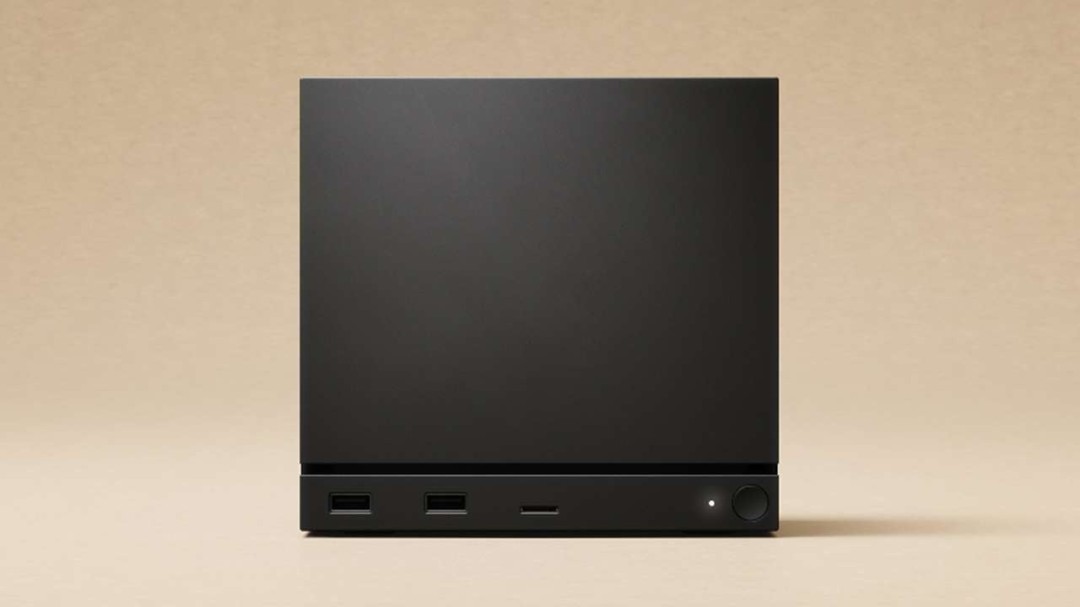
Schreier mentioned that the prototype of the Steam Machine project can be traced back to 2012. At that time, Valve was worried that Microsoft's Windows ecosystem would become increasingly closed, so it began to explore Linux-based alternatives. Related initiatives included the development of the SteamOS system and the launch of the first-generation Steam Machines series in 2015.
The first generation of Steam Machines ultimately failed to break into the market. At that time, Valve chose to cooperate with third-party hardware manufacturers instead of independently developing hardware. As a result, the configurations of different models were uneven, the brand positioning was blurred, and the pricing of each version was also very different. In addition, Linux game compatibility was still in its infancy at the time, and a large number of Steam games could not run properly on the platform.
Valve has not completely given up on this idea, but has invested several years in developing a Proton compatibility layer. Schreier explained that this compatibility layer eventually matured and provided core technical support for the Steam Deck handheld console that will be released in 2022. The market success of handheld consoles has convinced Valve that SteamOS is ready to return to the living room gaming market. Valve engineers revealed to Schreier that after the release of Steam Deck OLED, the development progress of the new generation of Steam Machine has been significantly accelerated.
Unlike traditional console manufacturers, Valve has chosen not to subsidize the sale of hardware. Schreier said that Valve hopes that more manufacturers will launch gaming PCs equipped with SteamOS, rather than relying on a first-party device to monopolize the market. The company's long-term strategy focuses on growing its digital platform rather than tying players to proprietary hardware. Adhering to this concept, Valve made it clear to Schreier that the company has never considered making the new "Half-Life" a Steam Machine exclusive work, because the exclusive strategy is completely contrary to the company's development goals.