According to the latest research published in the journal Scientific Reports, paleontologists discovered a new type of reptile fossil that lived in the Middle Triassic about 240 million years ago in Rio Grande do Sul, Brazil, and named it Silescelida acristata. This discovery not only fills in a key link in the evolutionary history of archosauriforms, but also significantly expands the geographical distribution range of distant relatives of dinosaurs and crocodiles.
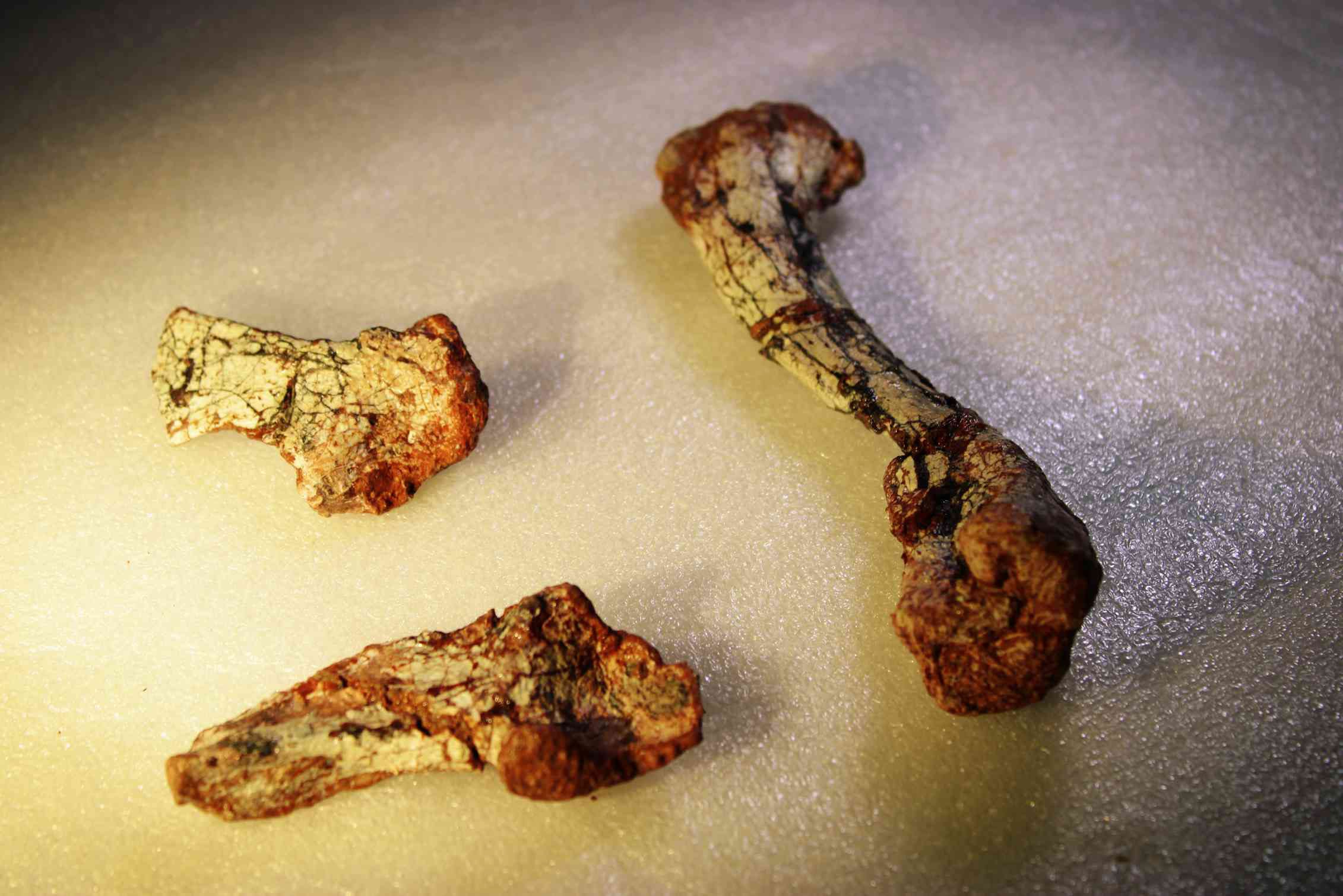
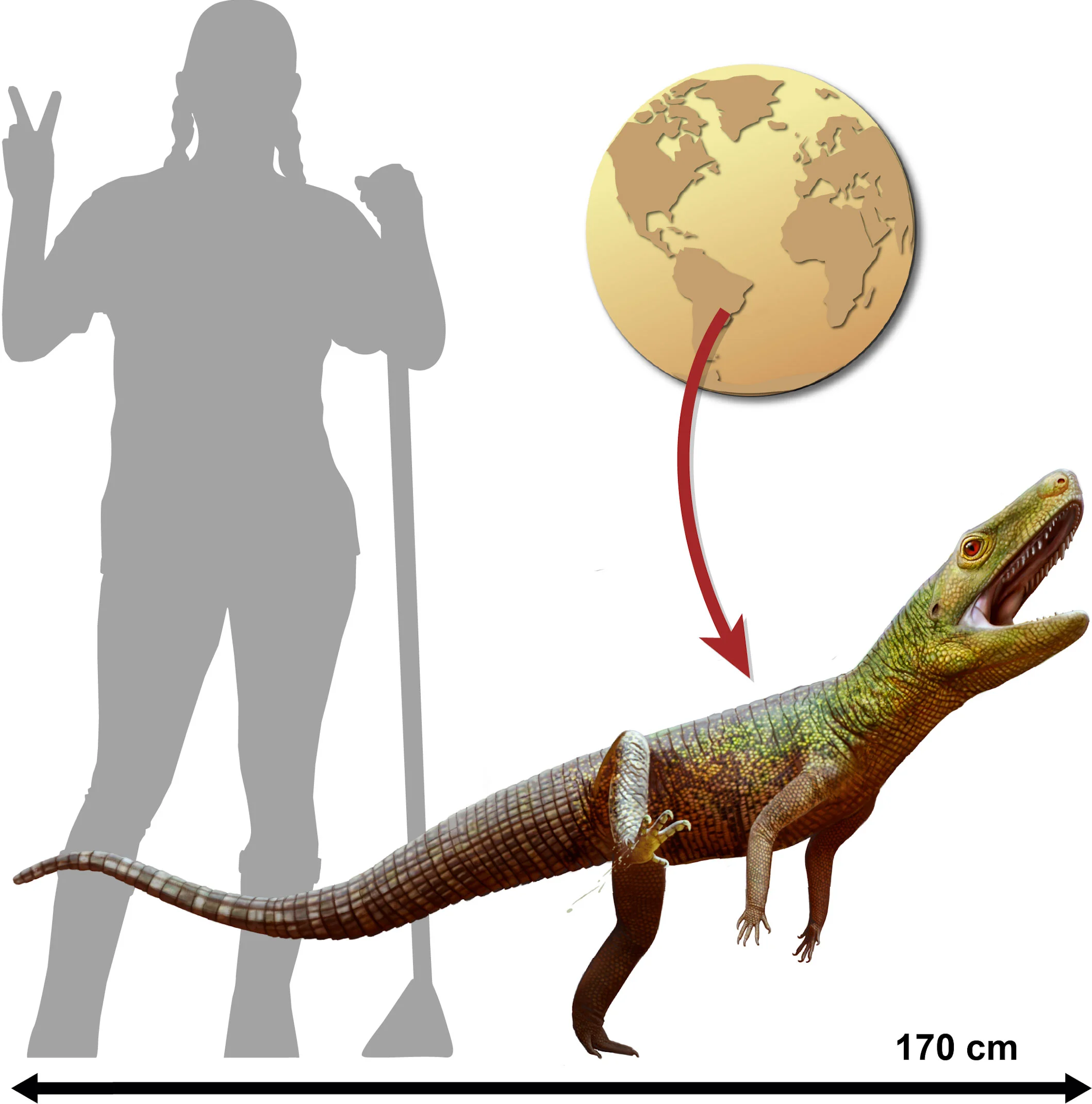
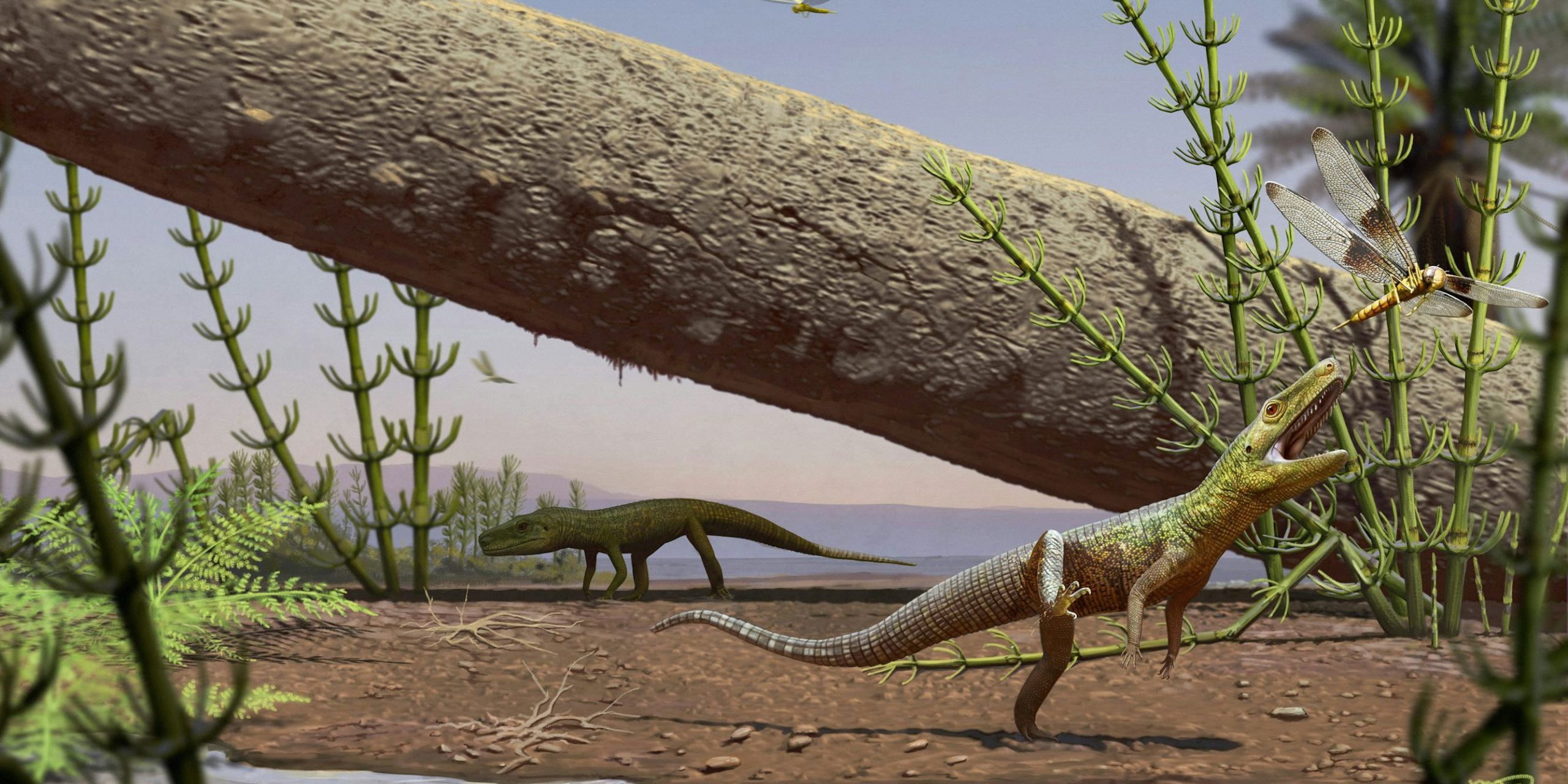
The fossil remains were unearthed near Dona Francesca in central Brazil, within the UNESCO Colonial Geopark IV area. The Permian-Triassic extinction event about 252 million years ago destroyed most of life on Earth, and Silescelida acristata happened to live during a period when ecosystems were struggling to recover after the mass extinction. This animal is small, about the same length as a small alligator, has a slender build and walks on all fours. Although it is neither a dinosaur nor a crocodile, its evolutionary branch is very close to the ancestral relatives of these two modern and prehistoric overlords. It mainly feeds on small animals and played the role of a small predator in the Triassic ecosystem of South Brazil at that time.
This fossil mainly preserves the limb bones, and the most critical discovery comes from its femur (thigh bone). The researchers noticed that Silescelida acristata's upright posture was somewhere between semi-upright and upright, with its legs positioned under the body rather than spread out to the sides. This body evolution effectively reduced the resistance when moving on the ground and provided higher movement efficiency. It was one of the key features that later led to the evolutionary success of archosaurs. In addition, phylogenetic analysis shows that this species may be related to the extremely rare genus Euparkeriidae. Previously, such fossils were only found in Africa, Asia and Europe, but this first confirmation in South America greatly broadens the known global distribution picture of this group during the Triassic period.
Behind this research there is also a tortuous journey of "seeing the light of day again". Some of the fossil's key bones - particularly fragments containing key information such as where it was found - were accidentally lost for more than two decades. It was not until 2022 that researchers rediscovered this long-lost bone during a technical visit to the scientific collections of the Catholic University of Rio Grande do Sul, finally confirming its origin and completing the official description of the new species.
This legendary experience is also directly reflected in its naming: the genus name Silescelida combines the two roots of "silence" and "leg". "Silence" alludes to the silent years when the fossil was forgotten and sealed for many years, while "leg" represents its preserved main limb bone structure; the species name acristata It means "crestless" because the animal's femur lacks the prominent crest (trochanter) commonly found in other close relatives that connects the tail muscles. This unique anatomical feature became a key landmark that distinguishes it from other species.
The study was jointly completed by a research team from the Colonial Paleontological Research Center IV of the Federal University of Santa María in Brazil (CAPPA/UFSM) in collaboration with the Federal University of Rio Grande do Sul and the Pontifical Catholic University of Rio Grande do Sul. Scholars point out that even fragmented limb bone fossils can reveal important scientific information such as paleontological evolution, movement mechanisms and geographical distribution. Rio Grande do Sul has once again proven its status as an important global research base for the study of Triassic fauna, and these ancient remains buried deep in the rocks are still providing humans with a steady stream of answers to the ultimate mysteries of the reshaping and evolution of the Earth's terrestrial ecosystems.