In a recent interview with the Japanese magazine "Famitsu", Shigeru Miyamoto, a well-known Nintendo game designer, described a bold future vision: it will become the norm for each family to have multiple Nintendo consoles at the same time. This idea is not so much a market expectation, but rather reveals Nintendo's new strategy of seeking a balance between hardware iteration and development efficiency.
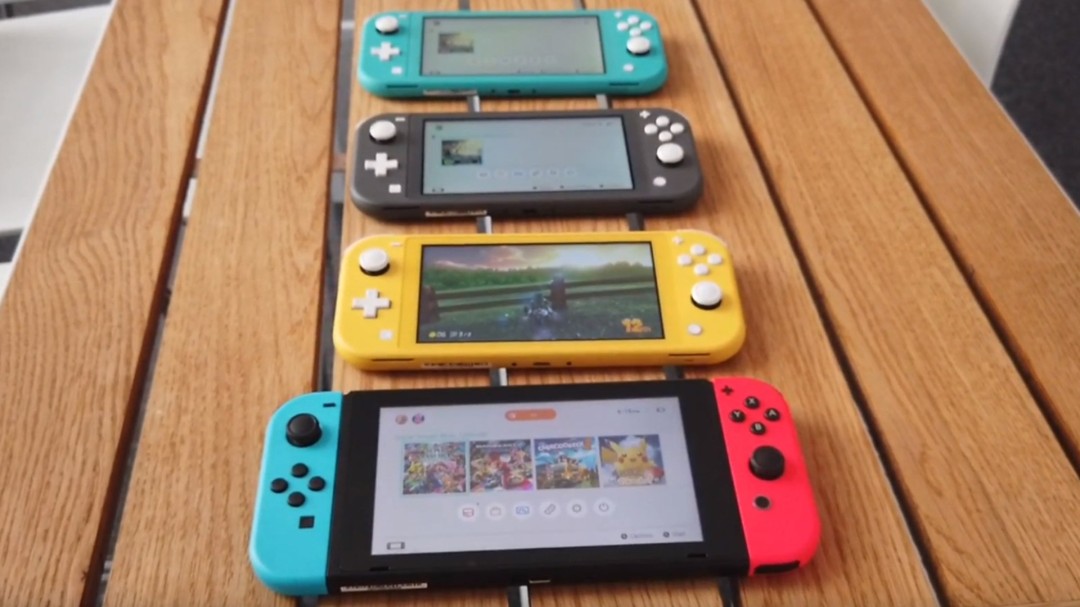
Shigeru Miyamoto said in the interview that some families currently own multiple Nintendo consoles at the same time. He believes that this model is expected to become an industry standard in the next few years: "Some people already have multiple Nintendo consoles at home. Players who want to enjoy high-performance hardware can use Switch2, and games can be developed specifically for the console. At the same time, players who are satisfied with the existing system can continue to use the original Switch and play old games and cross-generation works that are still being launched. In the next few years, this will become the norm."
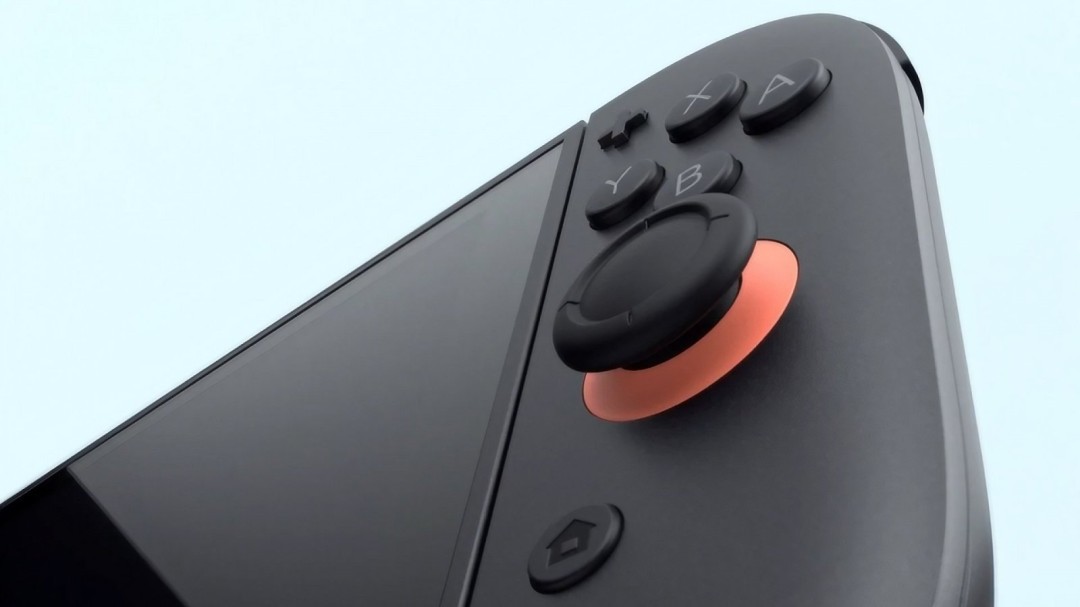
When asked about Nintendo's hardware strategy, Shigeru Miyamoto said half-jokingly: "We all want to spend the least effort to make a living and live an easy life - I am half-truth." He emphasized that simplifying the development process and reducing the workload are its core concepts, and Nintendo's current dual-platform parallel strategy has created a "perfect environment" for this.
This idea is completely different from the "forced replacement" model common in the industry. In Miyamoto's vision, Nintendo is preparing for the "birth of a new market" by launching a differentiated game lineup on hardware of different performance levels to ensure that the new console and the old platform "do not compete with each other" for users. This not only extends the life cycle of old consoles, but also allows developers to freely choose the most suitable platform based on project needs.
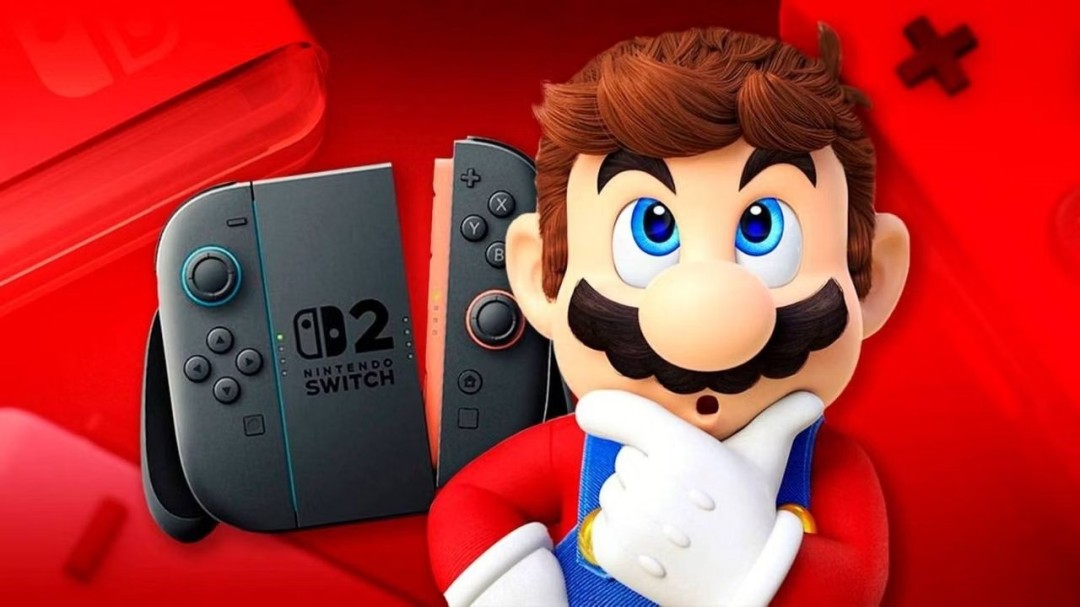
Miyamoto's speech revealed a unique path for Nintendo's hardware strategy - not to replace old consoles with new ones, but to allow different generations of consoles to coexist under the same roof through differentiation in function and positioning.