The latest data from the China Academy of Information and Communications Technology (CAICT) shows that against the backdrop of the continued weakening of the overall smartphone market, shipments of non-Chinese brand mobile phones, including iPhone, have increased significantly in the Chinese market in June 2026.
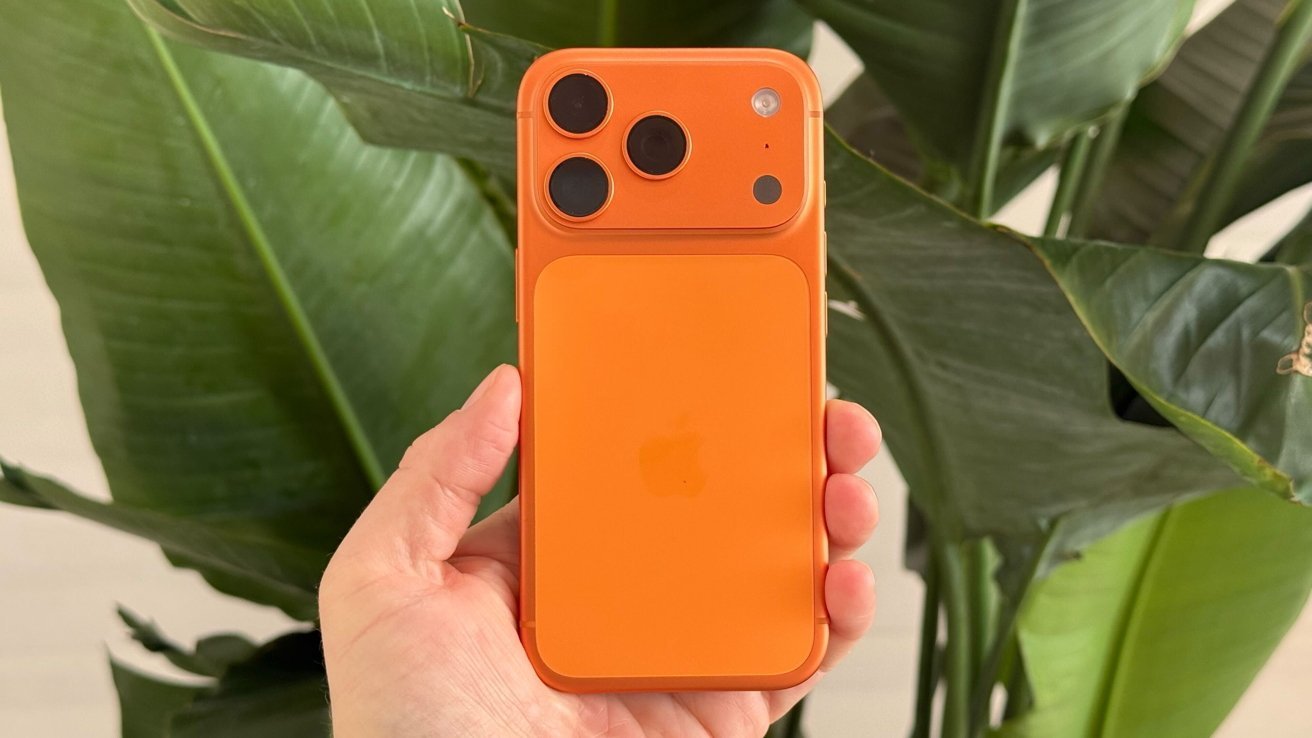
According to statistics released by CAICT cited by Reuters, in June 2026, shipments of foreign brand smartphones in China increased 66% month-on-month to 3.28 million units; during the same period, China's domestic brand smartphone shipments were 19.15 million units. However, judging from year-on-year performance, the overall scale of China's smartphone market dropped by 15.3% compared with June 2025, showing a structural change of "shrinking the overall market and expanding foreign brands against the trend".
At the current point in time, before Apple will announce its latest quarterly earnings report on July 30, 2026, this trend has attracted particular attention from the capital market and industry. Since the data disclosed by CAICT is not broken down by specific manufacturers, it is impossible to accurately calculate the proportion of iPhone in that month. However, judging from the direction of "significant growth in foreign brand mobile phones and decline in local brands", the performance of Apple and other overseas manufacturers in the Chinese market is significantly improving.
The importance of the Chinese market lies not only in its size, but also in the fact that it has long been regarded as a "pressure point" for Apple in its global territory. Over the years, iPhone sales in China have continued to decline, and local brands have continued to encroach on the high-end and mid-to-high-end markets with their cost-effectiveness and localized services. This change in shipment structure means that Apple's decline in this key market is being reversed.
This change has also been interpreted by some analysts as one of the signals that Sino-US relations have eased to a certain extent. For example, the controversial tariff policy implemented during the period of former U.S. President Trump is believed to have inspired a certain degree of "anti-iPhone" sentiment among Chinese consumers, pushing more users to switch to local smartphone brands. As the influence of relevant policies gradually recedes and the market environment adjusts, the suppression of iPhone sales by external factors seems to be weakening.
From a longer-term perspective, the process of iPhone and other overseas brands regaining attention and favor in China echoes Apple’s strong performance in its financial reports this year. In Apple's March 2026 quarter, iPhone sales revenue from the Chinese market reached $20.5 billion, an increase of more than $4 billion year-on-year and a record level. At the time, Apple CEO Tim Cook attributed this achievement largely to the strong performance of the iPhone 17 in the Chinese market, saying that the model "really impressed local consumers."
The industry generally believes that with the implementation of Apple Intelligence (Apple’s AI experience integration solution) in China, this trend may have room to further strengthen. Due to China's complex regulatory system for artificial intelligence, Apple Intelligence has not yet been officially launched there, but the latest signs show that its release in China is "in progress" and relevant plans are expected to be announced soon. For the iPhone 17 series, which has been differentiated at the hardware level, once the AI capabilities at the software and service levels are completed, it may further enhance its competitiveness in China's high-end market.
In sync with the iPhone's recovery in China, Apple's overall sales performance in the Chinese market has also rebounded significantly. According to statistics, Apple's overall sales in China have achieved a year-on-year growth of 38%, reversing the continuous decline in the past few years. Such data, combined with strong global demand for iPhones, pushed Apple's market value to rise again. The company's total market value once exceeded US$5 trillion, regaining the title of "the world's most valuable company."
Before the release of the upcoming third fiscal quarter results of 2026, the industry will pay close attention to the follow-up trends of the Chinese market, including: whether foreign brand mobile phones can continue the current high growth trend, the speed of adjustment of local brands in the overall market decline, and the timetable and actual effect of new technologies such as Apple Intelligence in China. For Apple, China is still a key market that is both full of challenges and contains huge room for growth, and this change in shipment structure may be just the beginning of this new stage.