Recently, some netizens posted content on a short video platform, saying that when taking an online ride-hailing service, the driver charged extra for air conditioning. The video showed that the netizen was sitting in the back of the vehicle, and there was a handwritten notice posted on the back of the passenger seat, which said, "The platform's freight has been reduced. If you need air conditioning, please pay three yuan."
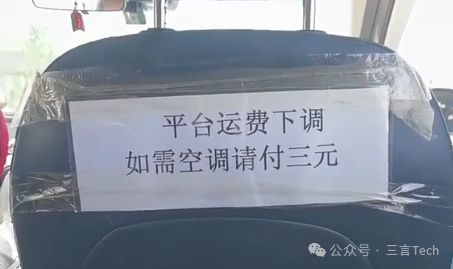
When the netizen asked the driver why he did not turn on the air conditioner, the driver admitted that platform freight rates have been continuously reduced recently, and the platform commission for the order he just received reached 36%. Calculated, he can only earn an average of 0.95 yuan per kilometer. The income is too low to cover the operating costs of the air conditioner.
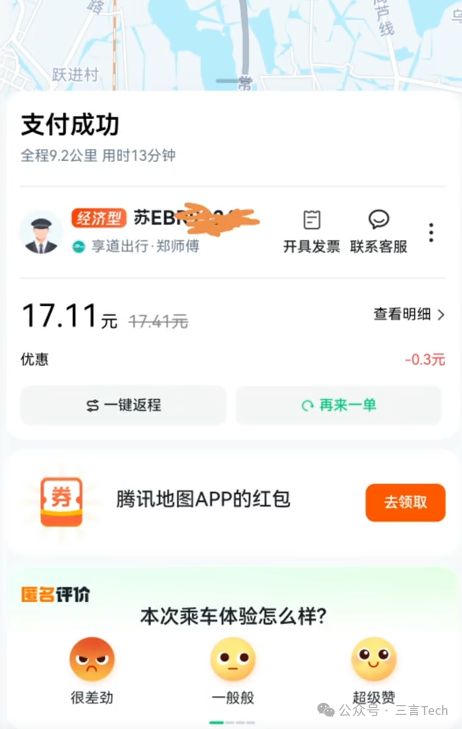
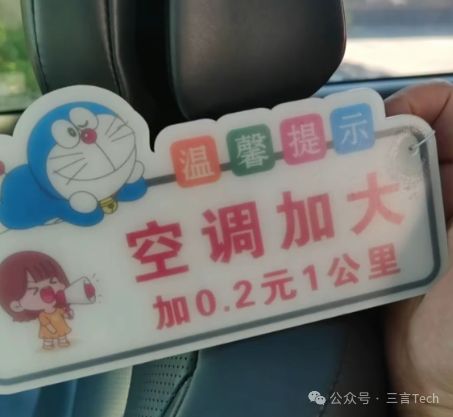
The screenshot of the order posted by the netizen later showed that the trip was 9.2 kilometers long and took 13 minutes, and he actually paid 17.11 yuan. It added that the outdoor temperature reached 35°C that day, and not only did it cost extra to turn on the air conditioner in the car, there was even a "price list" for "increasing the air conditioner, adding 0.2 yuan per kilometer."
After the incident was exposed, netizens in the comment area had obvious differences of opinion.

Some netizens joked: "The driver was sunbathing through the glass. I felt relieved that he could bear it."

Some netizens also expressed their dissatisfaction from the perspective of passengers: "You don't have to run or pick up the bus. The price I paid is not low. How much you can receive is your business."

Some netizens compared the income levels of different industries: "Takeout is more profitable than this, and a 9-kilometer trip costs about 20 yuan. This is still the lowest price. Normally, a 9-kilometer trip is about 25 yuan."

Other netizens believe that the root of the problem does not lie with the individual drivers: "Market demand cannot just allow drivers to bear operating costs!"
In response to this matter, @ Bangyibangbangtuan consulted a lawyer and stated that it is neither reasonable nor legal for online car-hailing companies to charge additional air-conditioning fees. According to the relevant service regulations of taxis and online ride-hailing platforms, in-car air conditioning is a basic service content and should be turned on and used according to the wishes of passengers. The relevant costs are included in the fare, and there is no basis for charging separate air conditioning fees. If the driver refuses to turn on the air conditioner without justifiable reasons, the service is not provided according to standards, and passengers can keep evidence to complain to the platform.
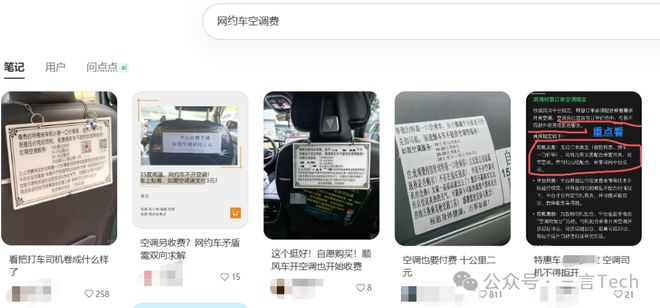
In fact, this kind of thing is nothing new. There are a lot of similar complaints on social platforms. In the final analysis, they are all forced by the high commission and low freight model of online ride-hailing platforms.
While the platform takes high commissions, it continues to reduce the income of drivers. The pressure of operating costs is transmitted all the way down, and finally gives birth to various chaos of privately increasing money and discounting services, throwing the entire conflict between drivers and passengers.
Take this incident as an example. The passenger actually paid 17 yuan for the 9-kilometer journey. Based on the 36% commission the driver said, the platform charged nearly 6 yuan for one trip. The driver received less than 11 yuan. Calculated, he only earned 1 yuan per kilometer. This amount of money also covers all operating costs such as gas and electricity, car damage, insurance, labor, etc. The extra gas and electricity consumed by turning on the air conditioner in the summer squeezes out another piece of the already meager profit.
Sanyan believes that simply punishing drivers will not cure this kind of chaos. Otherwise, it may force drivers to use more covert methods to pass on costs, which will in turn make the conflict between the two parties more tense. If it really wants to completely solve the problem, the platform must first optimize the commission mechanism to ensure reasonable income for drivers. Only when drivers can cover their normal operating costs can standardized service requirements have a basis for real implementation.
What do you think about this?