Researchers at the University of Cincinnati recently published an eye-catching new study in the journal "Biological Timing and Sleep" under Nature. Research has found that a variety of insects such as fruit flies, mosquitoes, American triatomine bugs, and spider beetles have a daily biological clock that is closely related to humidity. This discovery reveals the key role of environmental humidity in regulating the physiological cycles of insects.
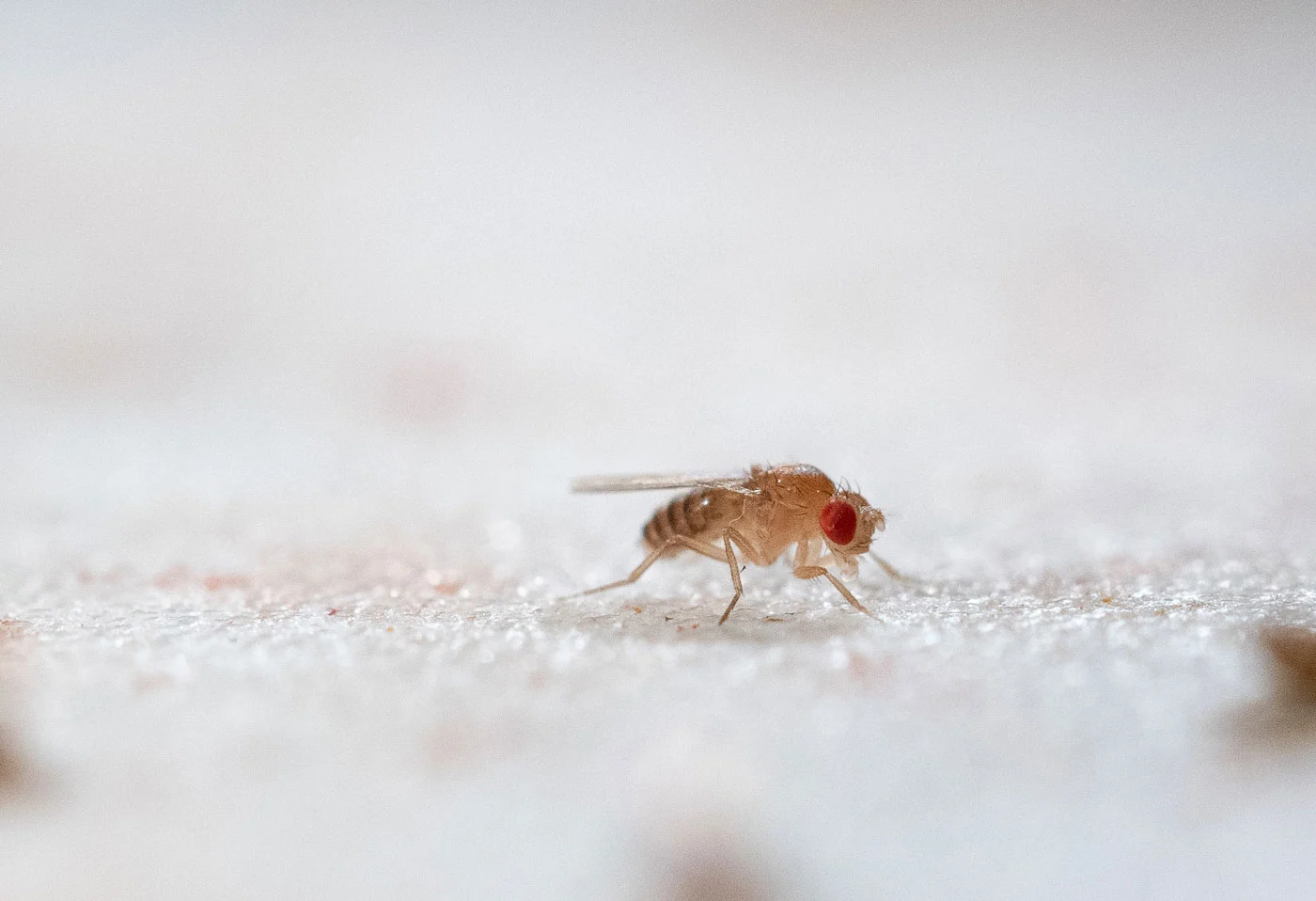
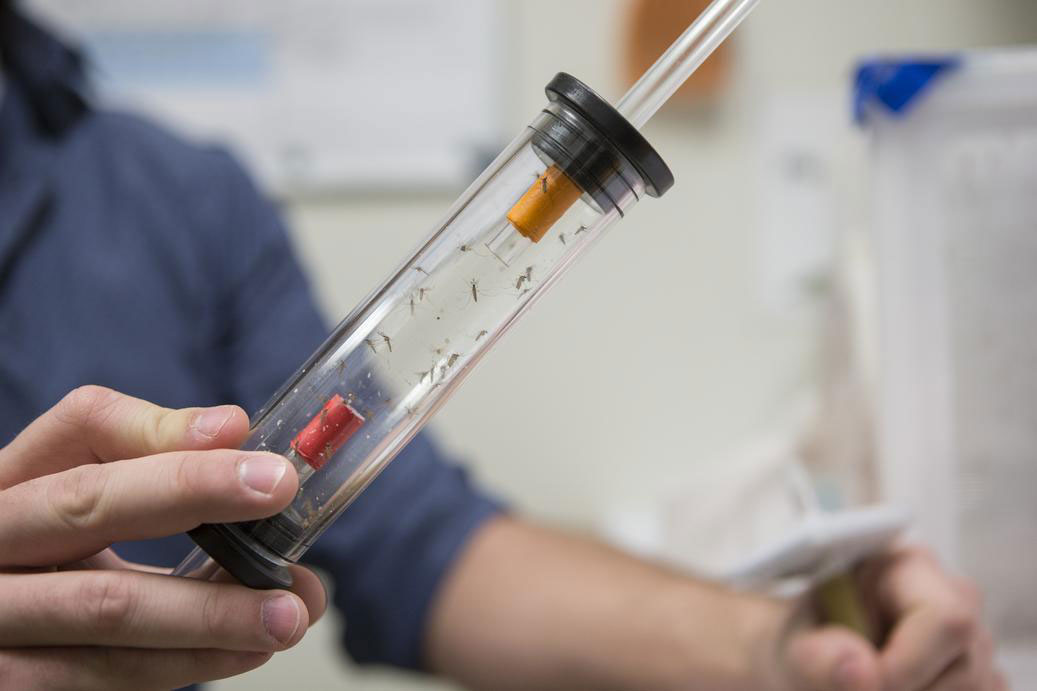
For a long time, the scientific community has generally believed that light and temperature are the main environmental factors that synchronize the biological clock and regulate circadian rhythms such as animal metabolism and hormonal activity, while the impact of humidity has received less attention. To explore the potential impact of humidity on insect behavior, a research team led by Joshua Benvai, a professor at the University of Cincinnati, placed a variety of insects in experimental chambers with controlled light and climate.
Experimental results show that these insects can adjust their behavior accordingly with periodic changes in the humidity environment. More importantly, even if the researchers subsequently removed the humidity cycle in the experimental chamber, the insects continued to maintain the established rhythm of alternating wet and dry periods for a period of time. Scholars involved in the study pointed out that for terrestrial organisms, maintaining water balance and avoiding dehydration are the key to survival, and being able to predict daily humidity changes helps insects go out foraging or other energy-consuming activities at safer times.
However, the researchers also found through data analysis that compared with light and daylight temperature, humidity signals have a relatively weak driving effect on insect behavior, with mosquitoes showing the weakest response to humidity changes.
This research result not only enriches the academic community's understanding of the regulatory mechanism of animal biological clocks, but also triggers a discussion on whether mammals and even humans are also subtly affected by humidity rhythms. The scholar who led the study said that although the circadian rhythm of humans and mammals is mainly dominated by the light-dark cycle, it is still necessary to further explore whether there are subtle effects of humidity in the multi-sensory integration mechanism in the future. The research was funded by the National Institute of Allergy and Infectious Diseases.