Biologists have discovered and confirmed four new species of Sylvan's chameleon in an isolated alpine rainforest in northern Mozambique. Due to their geographical isolation, these species living in the cloud forests of the granite mountains only exist on their own "empty islands" and cannot be found anywhere else on earth.
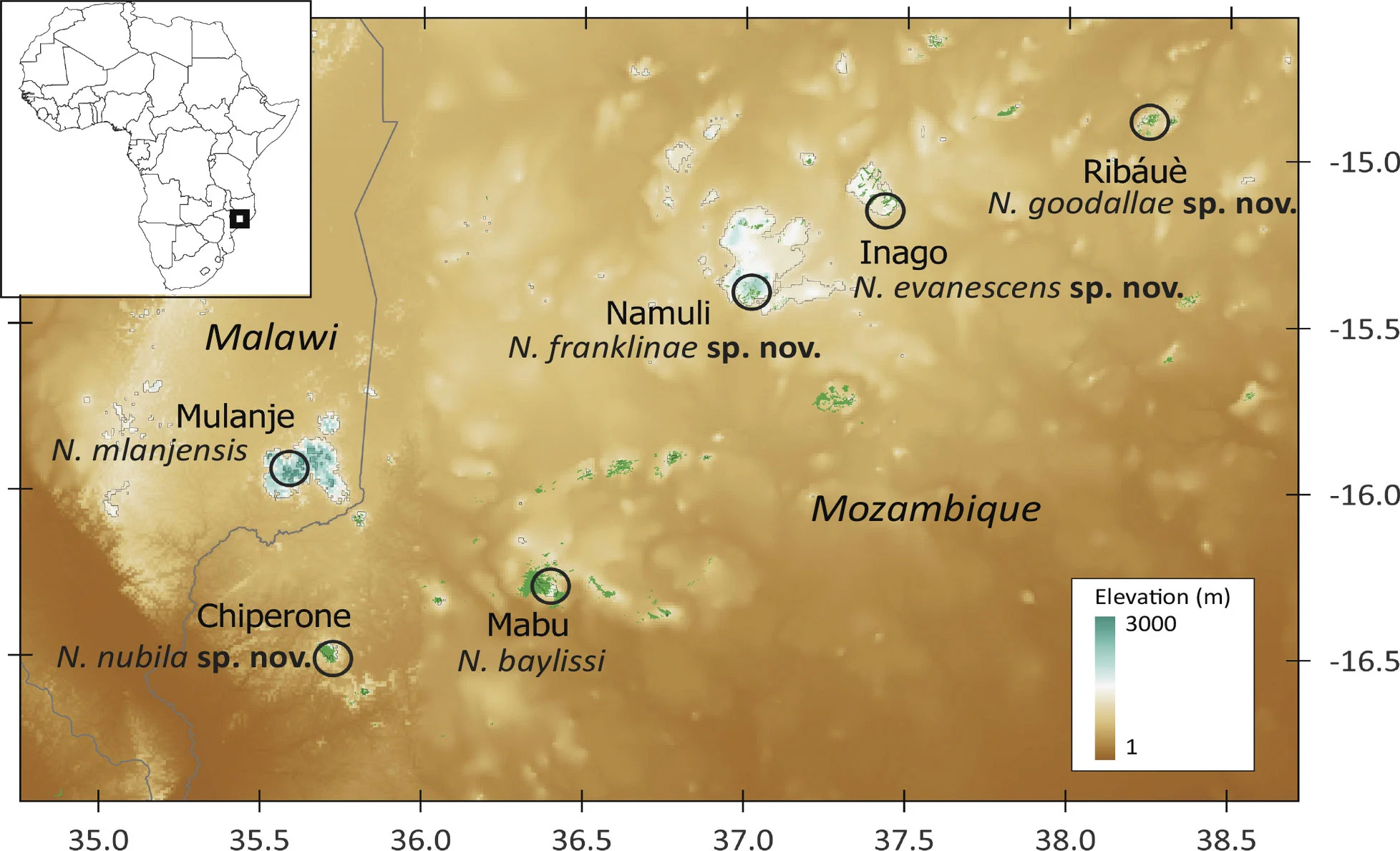
The research was conducted by Professor Krystal Tolley and Dr. Werner Conradi, and the relevant results were published in the Journal of Vertebrate Zoology. The researchers conducted multiple field trips into inaccessible mountainous areas, combined with meticulous body measurements and biological sample collection, and conducted in-depth analysis in the laboratory using DNA gene sequencing and comprehensive lineage species concepts. Although the chameleons are very similar in appearance, their long-term geographic isolation allowed their genes to evolve independently over millions of years, eventually identifying them as four separate new species.
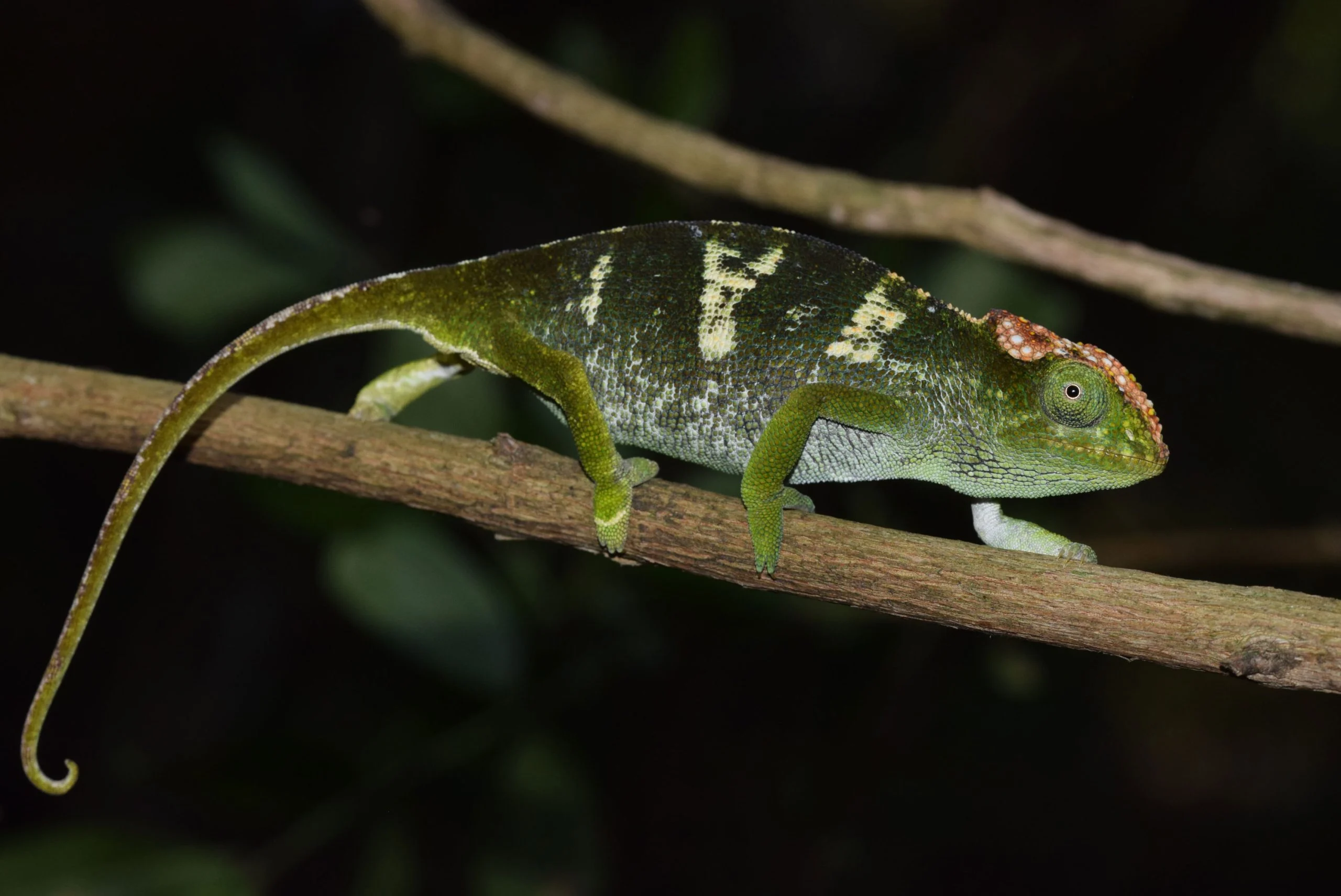
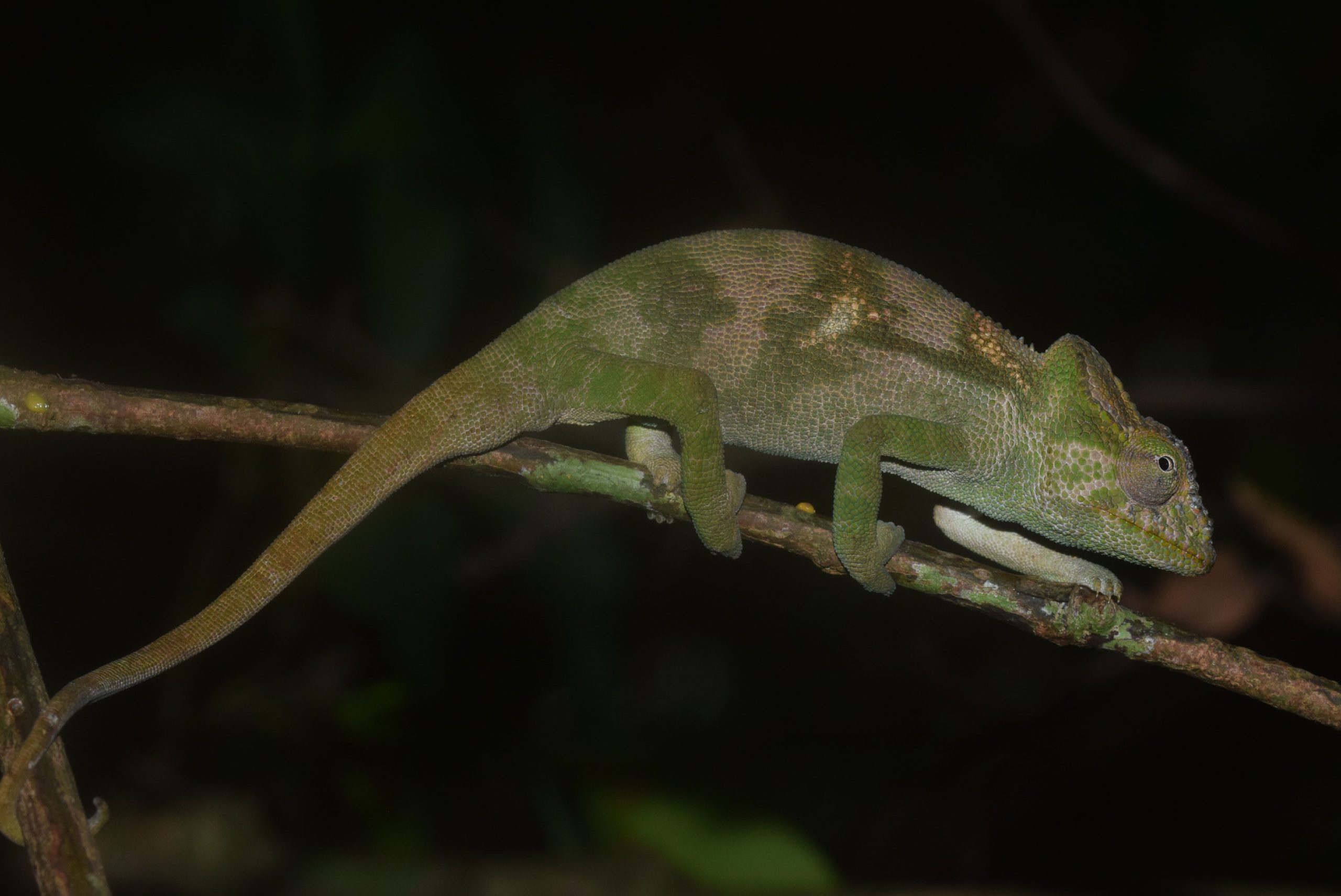
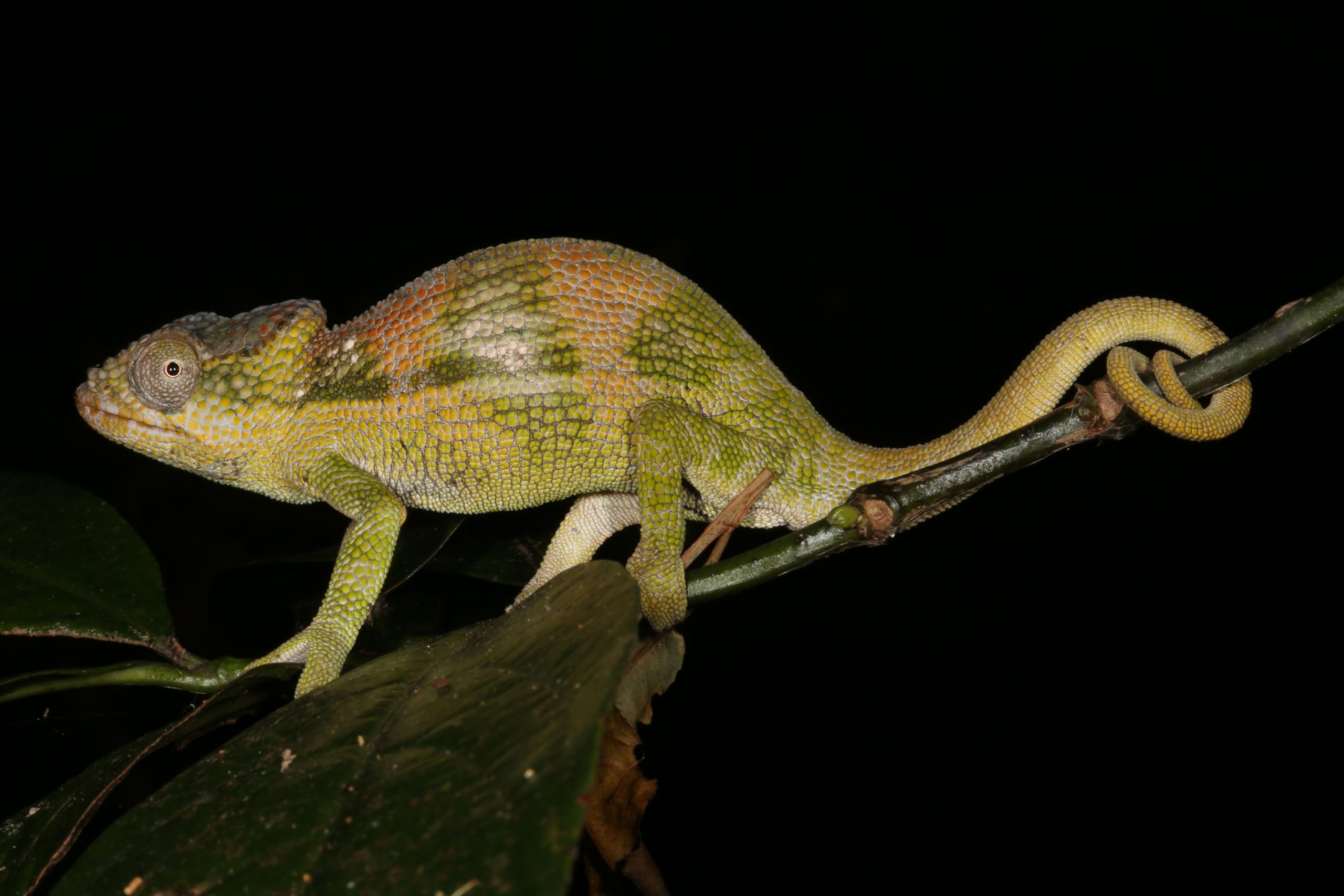
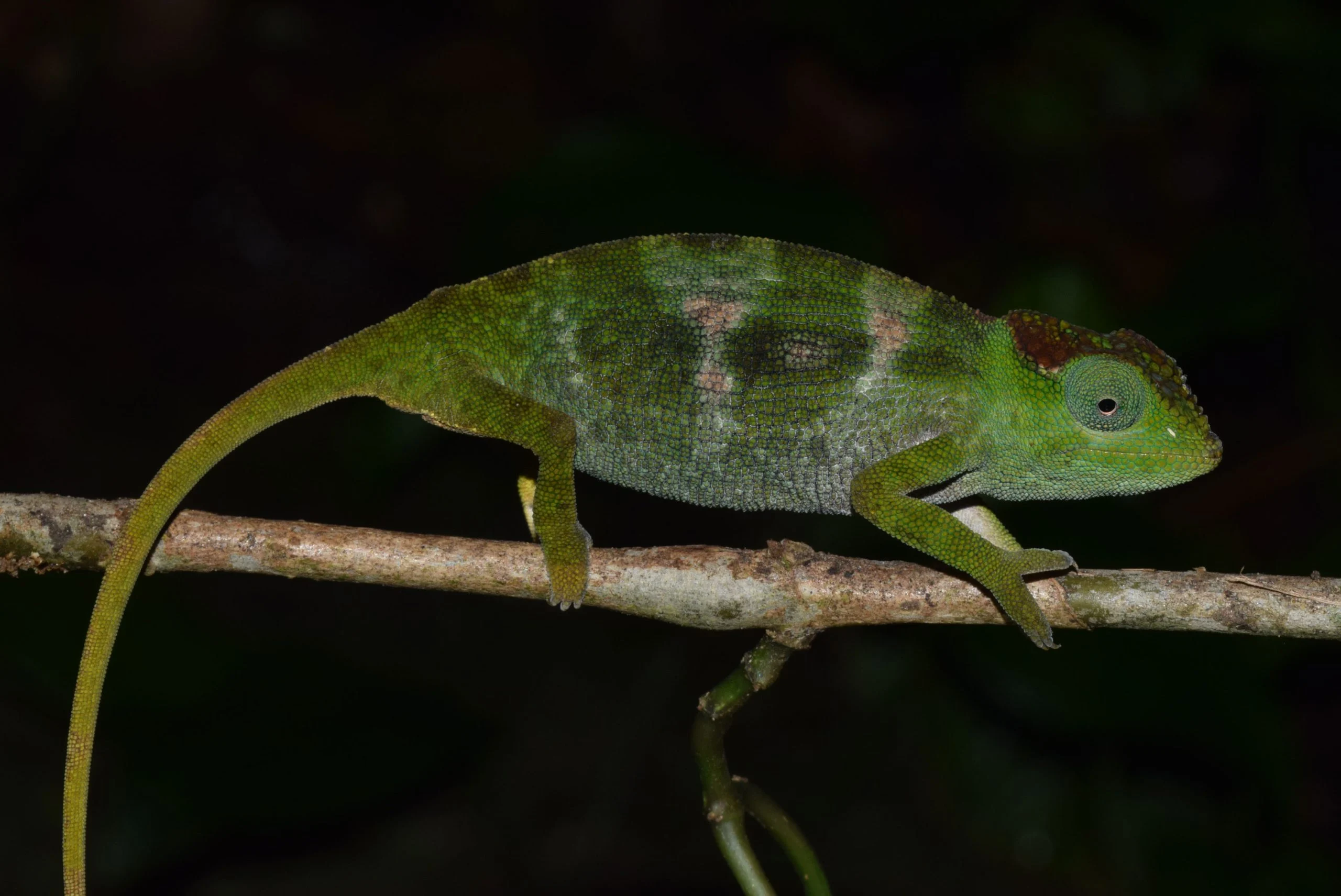
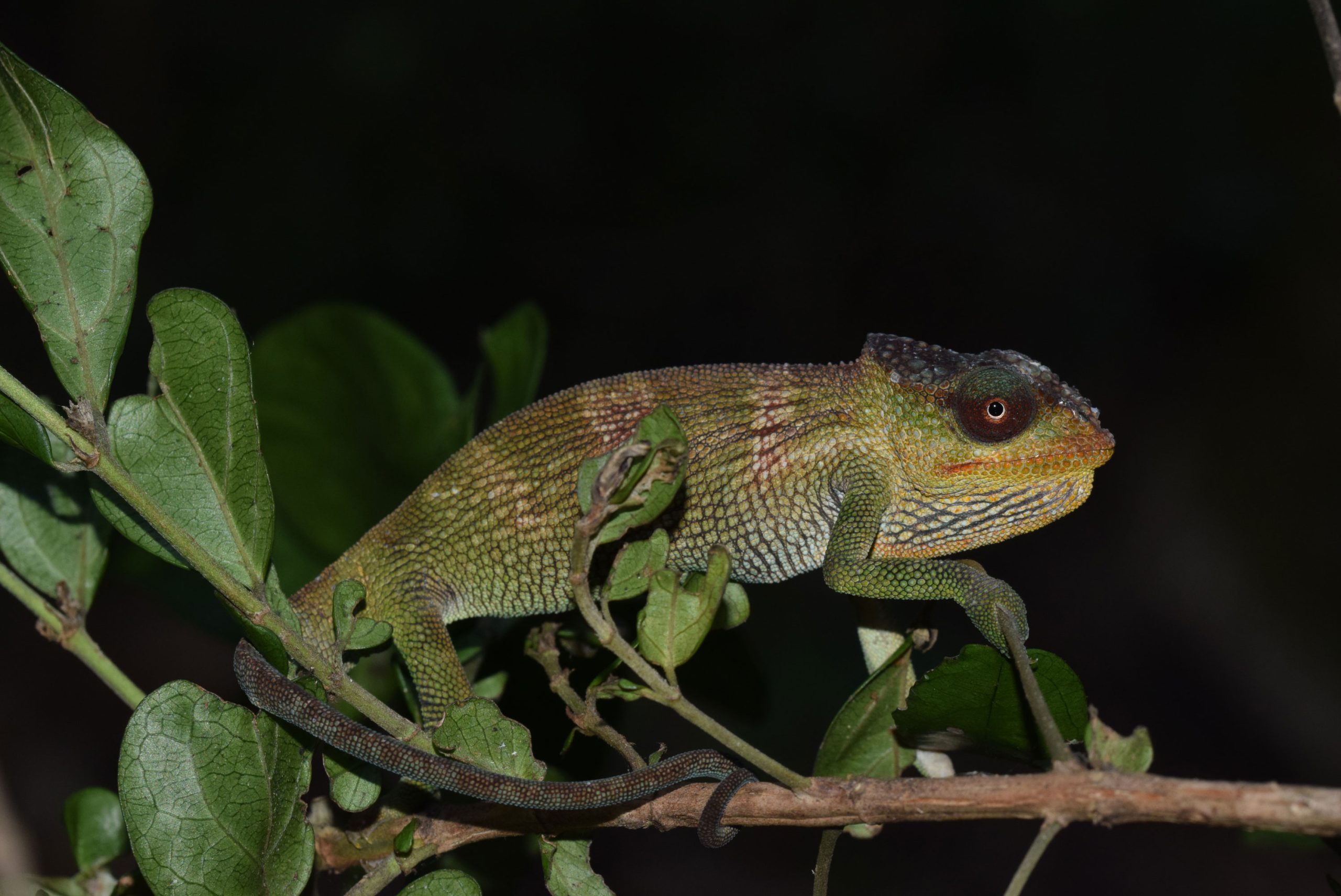
To commemorate the scientific achievement and sound the alarm on the demise of the forest, the scientific research team gave these four newly discovered chameleons unique names. Among them, the species found in Mount Mweber was named Goodall's Sylvan's Chameleon to pay tribute to the animal behaviorist and conservationist Jane Goodall; the species found in Mount Namuli was named Franklin's Sylvan's Chameleon to commemorate the chemist Rosalind Rich who made outstanding contributions to the study of DNA structure. Rankin; the species in Mount Inago was named the Lost Silvan's Chameleon, implying that its habitat is facing shrinking reality; and the fourth species, Ciperone Silvan's Chameleon, found in the Chiperone Mountains, has its Latin name derived from the local vocabulary for describing foggy and cloudy climates, highlighting the cloud forest habitat in which this species depends for survival.
Tropical forests in Africa are currently under constant threat of deforestation, and these "sky island" ecosystems in Mozambique are particularly vulnerable due to their small size and high isolation. However, the practice in places such as Chipperone Mountain and Mabu Mountain shows that the cultural beliefs and long-term conservation efforts of local communities play a central role. Through community co-management and protection support, we can not only protect precious biodiversity, but also take into account the livelihood of local residents, allowing isolated ecosystems and human communities to achieve coexistence and sustainable development.