The most basic interoperability protocol in the artificial intelligence industry——
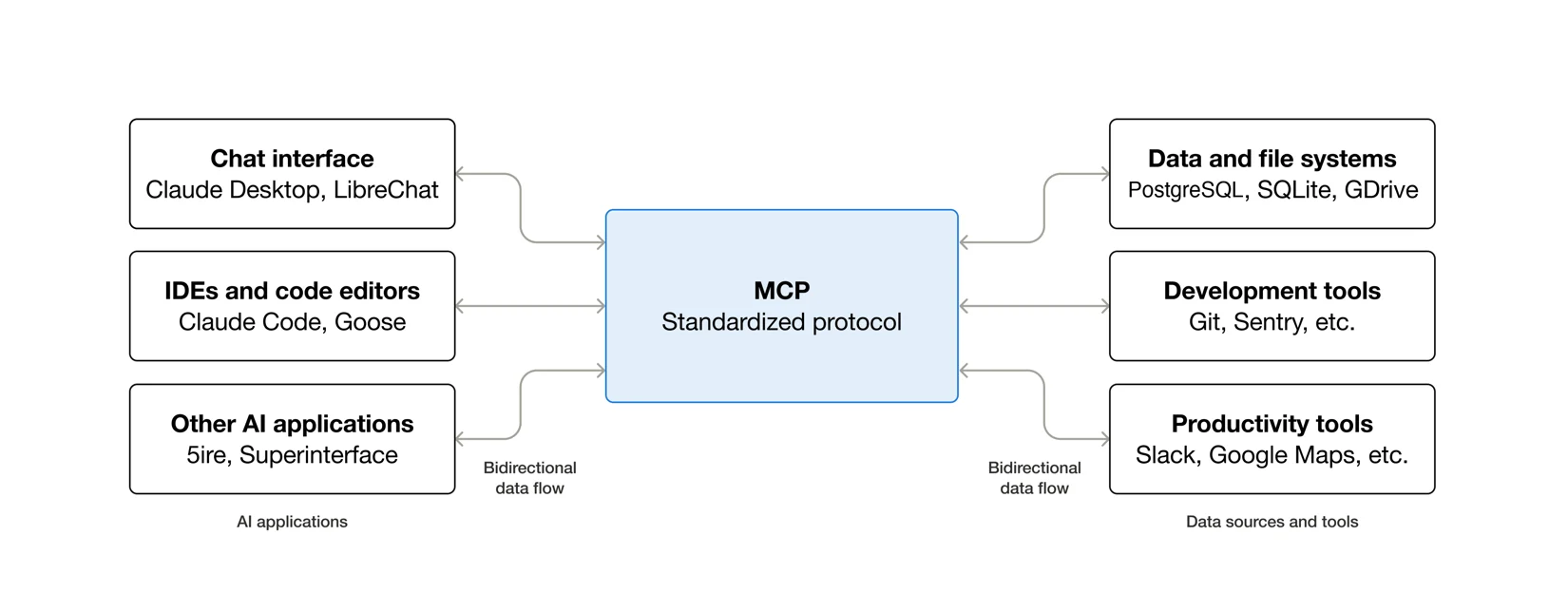
It is reported that the official specifications of the new version of the protocol have been made public since May this year. Startup Arcade recently provided a detailed explanation of this update. This company, which focuses on helping AI enterprise-level applications be implemented, successfully raised US$60 million in financing in June. The Arcade team pointed out that the reason why many AI agent projects fail is often not because of insufficient performance of the underlying model, but because the supporting infrastructure is not yet mature, and this protocol update is precisely to solve this pain point.
The core adjustment in this update is the way the server handles session IDs. Under the current mechanism, when an MCP client such as Claude connects to the server for the first time, it will send an identity and capability description, and the server will respond and assign a session ID. Thereafter, the client needs to carry this ID with every request to ensure that the server recognizes the same session. However, in actual enterprise-level deployments with millions of users, traffic is usually distributed to multiple servers in different regions by a load balancer. The current mechanism requires that different machines must synchronize the session IDs distributed to each other, which greatly increases the difficulty of maintaining the distributed server architecture and has also become an important obstacle that restricts enterprises from deploying first-party MCP integration on a large scale.
In response to this problem, the new system adopts a more relaxed and stateless processing method on the server side. Its design idea is similar to the common operating mode of ordinary websites. This change is expected to significantly simplify the system maintenance process and theoretically reduce the cost of large-scale operations. Industry insiders believe that although the research and development of basic models is advancing at an extremely fast pace, the evolution of related technical infrastructure still relies on continued consensus in the standard-setting process, which also reflects that the AI ecosystem is steadily moving forward on the road to maturity.
learn more:
https://blog.modelcontextprotocol.io/posts/2026-07-28-release-candidate/