According to news on July 21, Microsoft confirmed that it will introduce the AMD Helios rack-level AI system in Azure. The first batch of products will be ND MI455X v7 instances, targeting production-level AI inference. According to CNBC, AMD plans to begin delivering Helios-related systems in the second half of 2026.
Microsoft's official blog also disclosed that Azure will also add HDv2 and HXv2 instances based on AMD platforms: the former is oriented to AI data workloads, and the latter is oriented to chip design and technical computing. For Azure customers, the immediate change in this update is that Microsoft is incorporating more AMD computing platforms into its cloud AI and high-performance computing product lines.
Helios is not a single server, but a rack-level solution
According to the definition on AMD's official page, Helios is an "open rack-level reference design" and is not a stand-alone complete product for direct sales. A complete Helios rack integrates 72 InstinctMI455X GPUs and 31TB HBM4 memory. The peak computing power of FP4 is 2.9 exaFLOPS and the peak computing power of FP8 is 1.4 exaFLOPS.
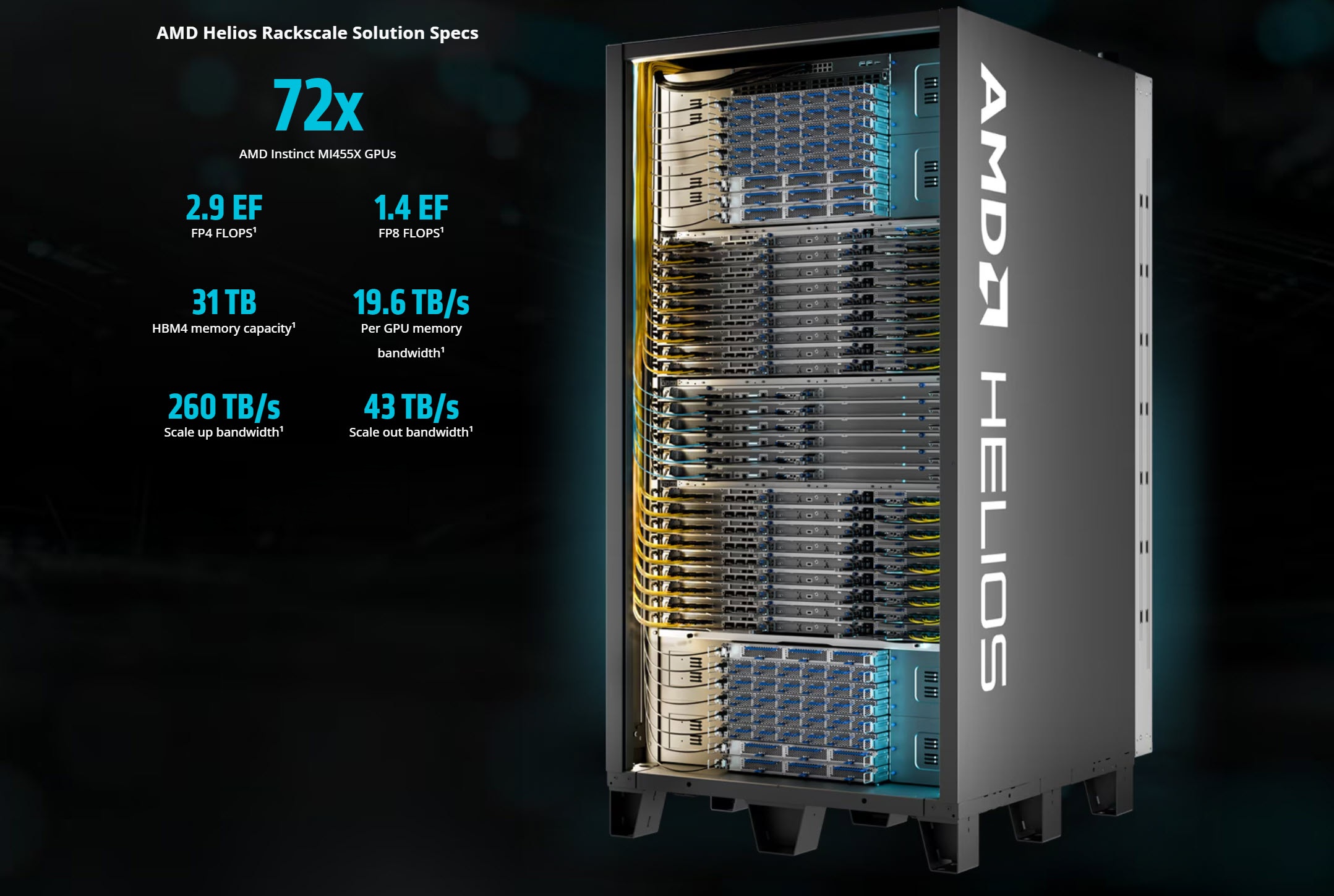
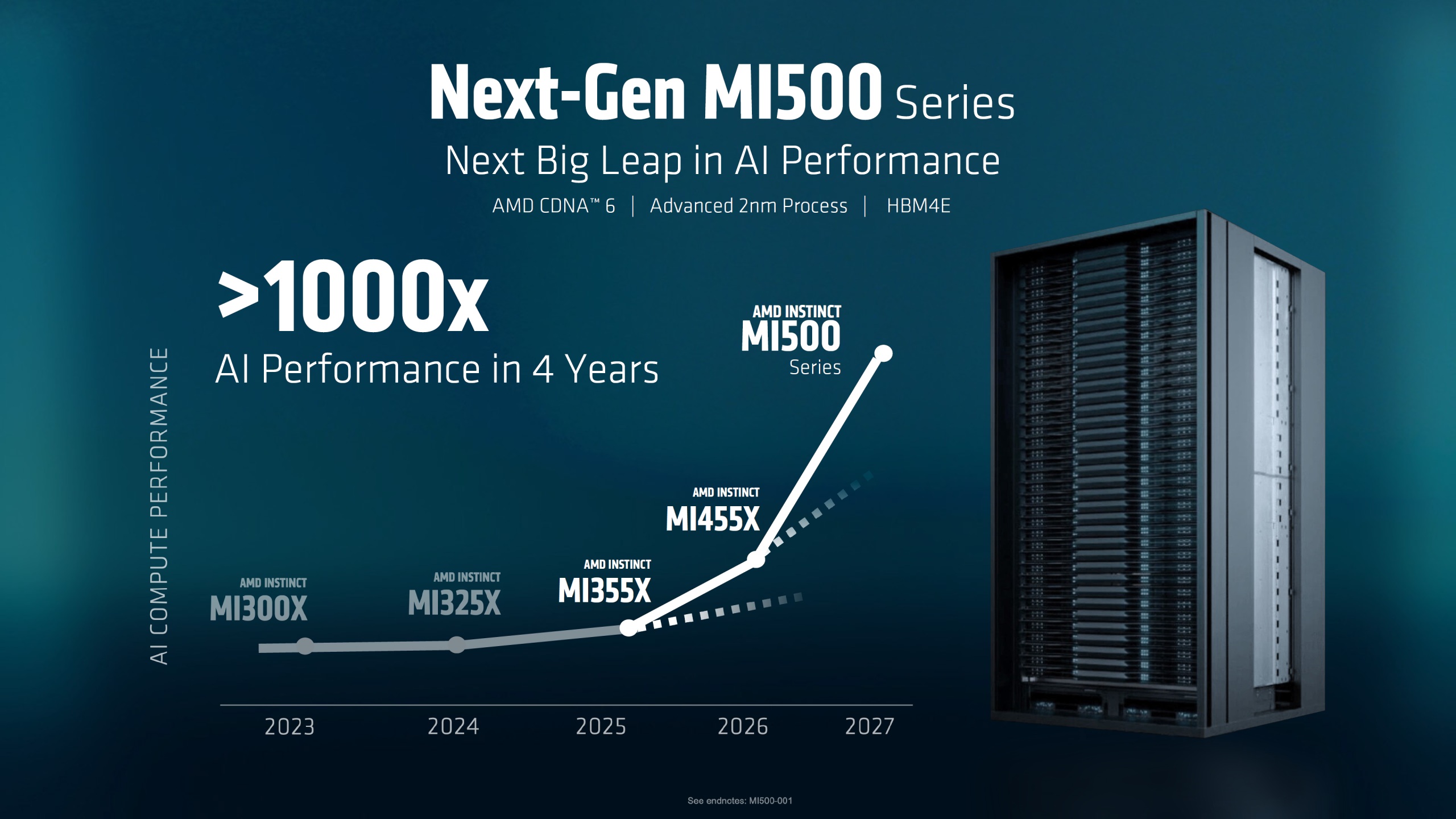
AMD said that Helios is designed for large-scale AI training and inference scenarios and uses the Open Compute Project (OCP) rack, UALink interconnect and Ultra Ethernet Consortium Ethernet specifications. For cloud vendors, the value of this type of design is not only the chip itself, but also its ability to be deployed, operated and expanded in large-scale data centers.
Options beyond NVIDIA
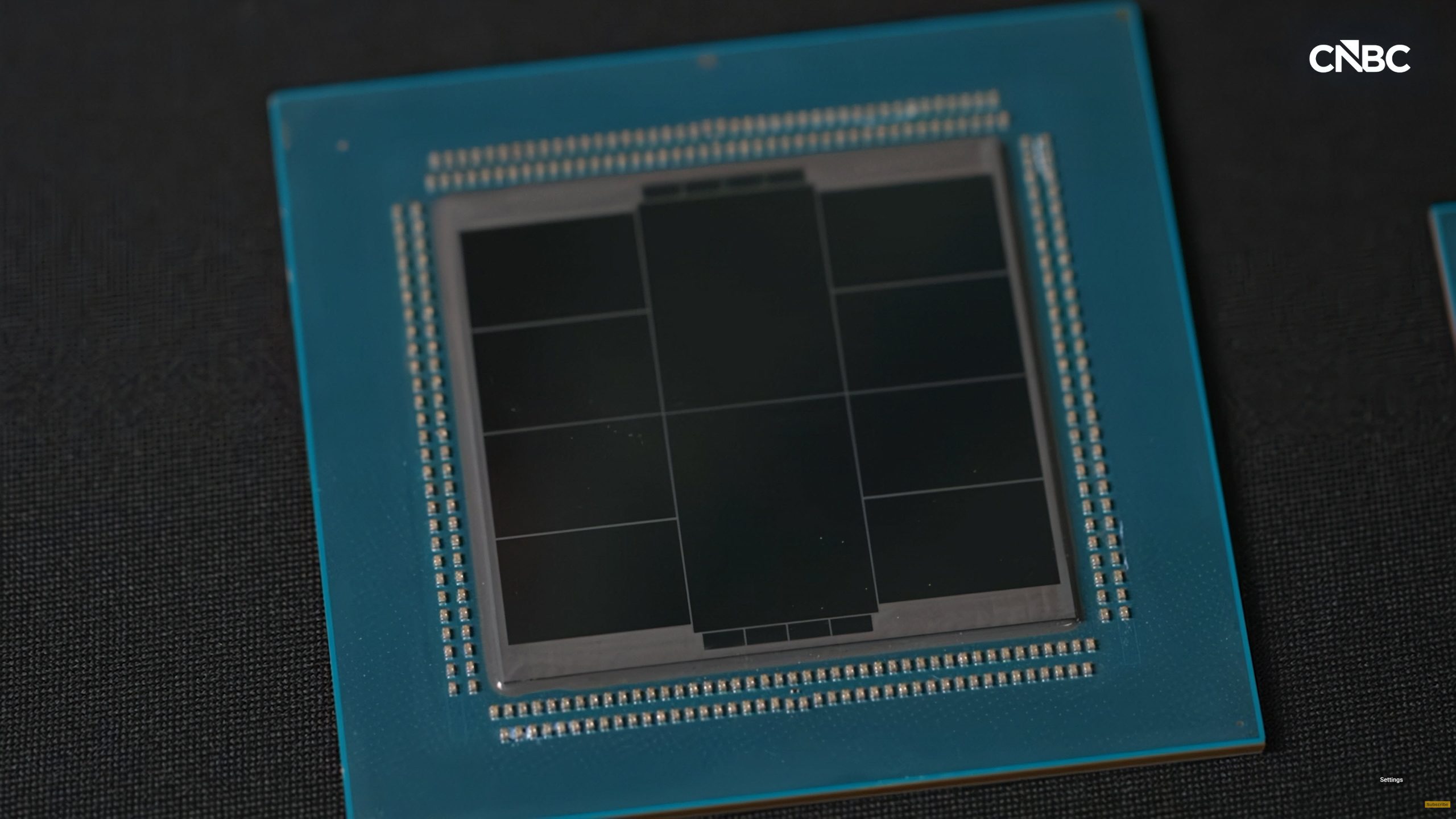
In the cloud AI computing power market, Nvidia is still the dominant supplier. Microsoft's inclusion of Helios in Azure adds an AMD GPU-based option to enterprise customers, especially in scenarios such as production-level AI inference, high-performance computing, and chip design.
CNBC reported that in addition to Microsoft, Meta, OpenAI, Oracle and India's Tata Consulting Services have also announced deployment and cooperation plans related to Helios or AMD's new generation rack-level AI platform. However, the report did not disclose the purchase size, deployment schedule or financial terms of these customers.
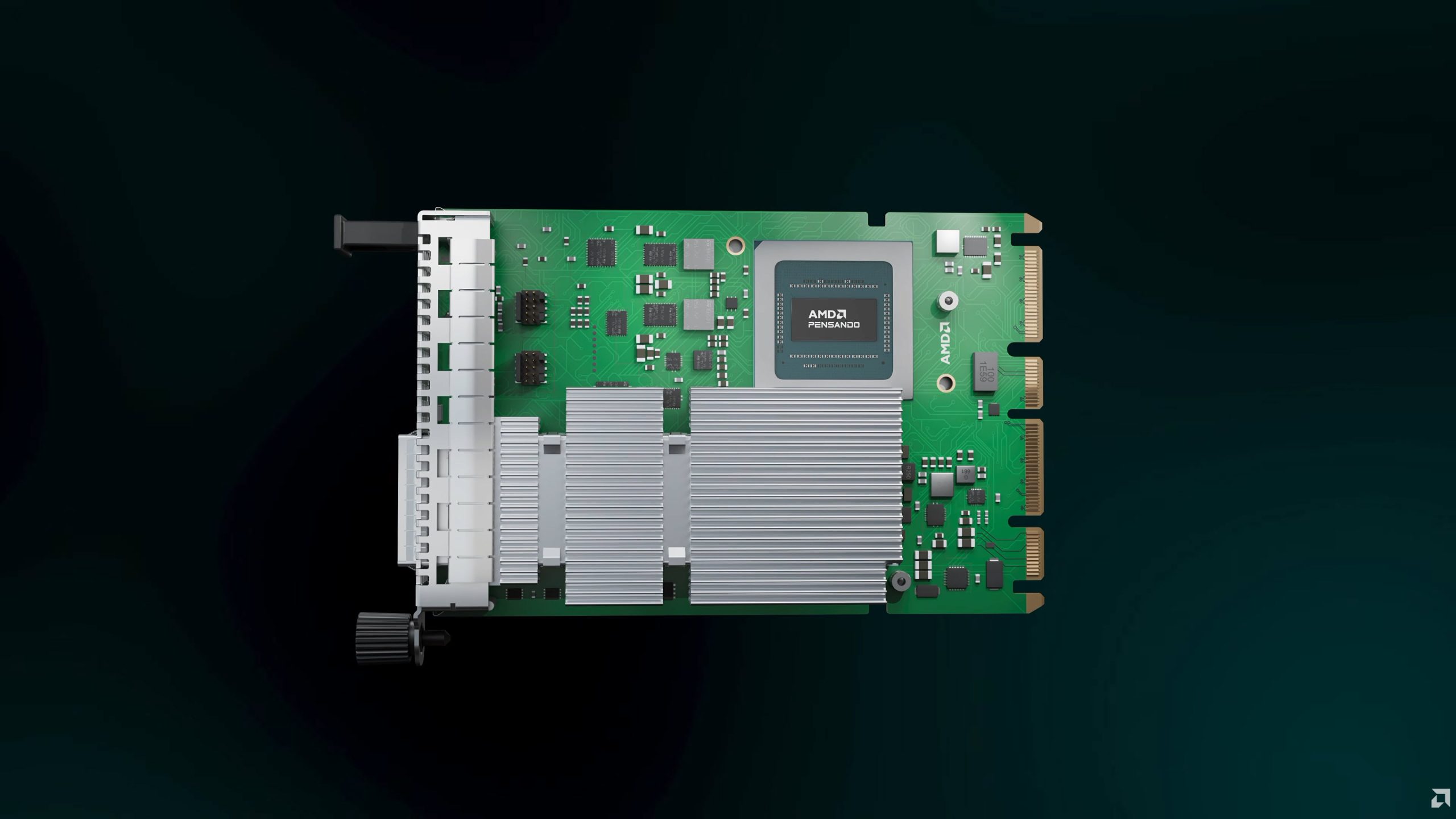
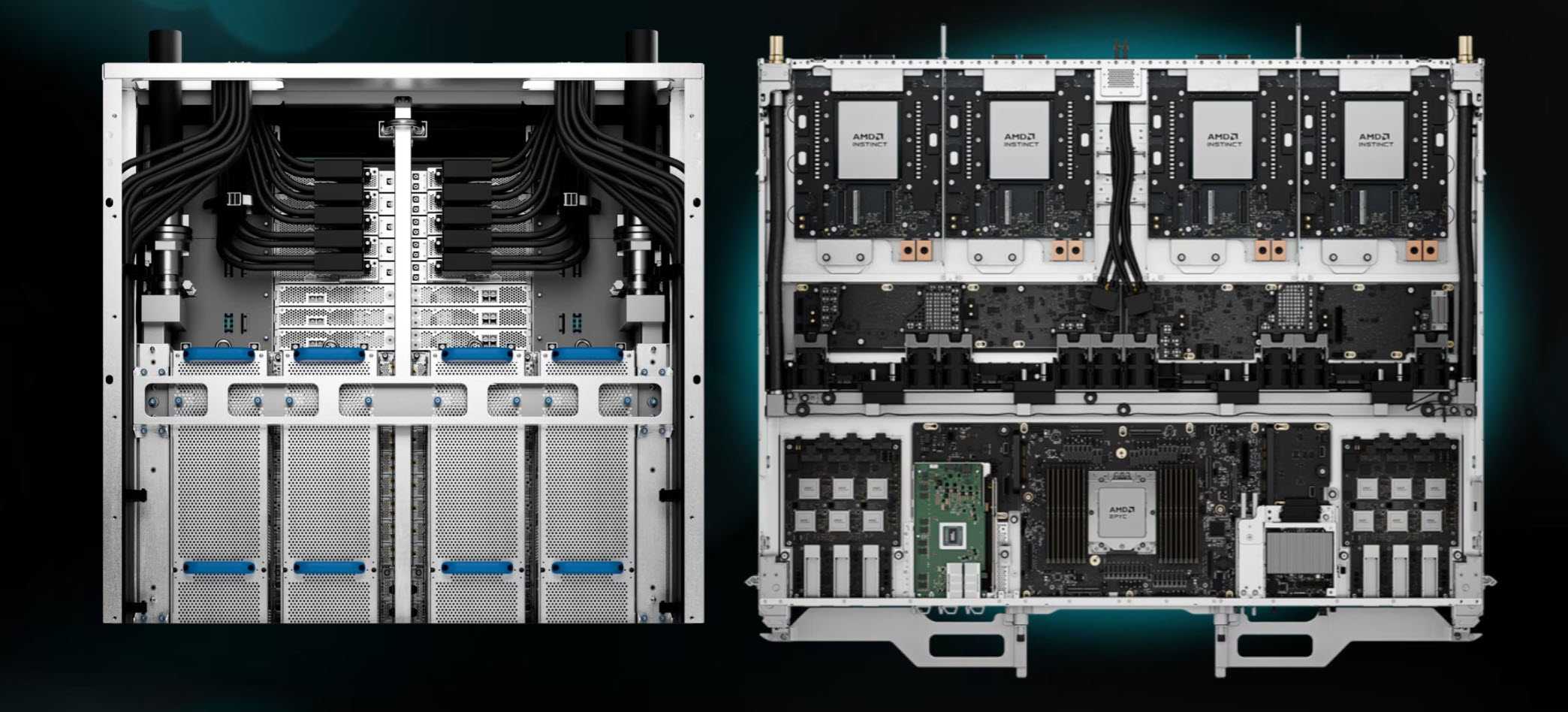
Microsoft's confirmation of the adoption of Helios means that AMD's new generation AI platform has entered Azure's official product roadmap. From "confirmed adoption" to "customers can use it on a large scale", the process must go through the launch of specific instances, regional opening, capacity allocation and actual load verification. Microsoft has not yet disclosed the transaction amount, deployment scale and when the first instances will be online.