A new review from the International Osteoporosis Foundation (IOF) Rehabilitation Working Group shows that not only regular exercise is important for bone health, but reducing sedentary time is equally critical. Regardless of age, even light activity every day can help increase bone density and reduce the risk of fractures. Sitting for long periods of time can quietly increase the risk of fractures.
This review systematically sorts out the effects of physical activity and sedentary behavior on bone health. Professor Olivier Bruyère, co-chair of the IOF Rehabilitation Working Group and lead author of the study, said: "This review sends a key signal to the world: bone health depends not only on regular activity, but also on reducing the amount of time spent sitting. In children and adolescents, excessive sitting can affect bone development; in adults and the elderly, if they are immobile for a long time, bone loss and fracture risk are exacerbated. Even light activity every day, such as walking, has visible benefits for the elderly and postmenopausal women."
The review covers various epidemiological studies, systematic reviews and meta-analyses, focusing on bone mineral density (BMD) and fracture risk. The research looked at all age groups, including children, teenagers, adults and older adults, with a particular focus on the effects of objective measures (such as accelerometers) and "activity instead of sitting."
children and teenagers
Studies have found that prolonged sitting (such as using electronic devices for long periods of time) can reduce bone density in weight-bearing areas such as the femoral neck. Weight-bearing and impact activities such as running, jumping, and resistance training can significantly promote bone mass growth. The benefits of early intervention, such as school exercise programs, can last for years, but long-term maintenance requires continued activity.
adult
Regular physical activity, especially moderate to high-intensity weight-bearing and resistance training, can increase bone density and reduce the risk of fractures. Prolonged sitting is strongly associated with reduced bone density in the hip, femoral neck, and pelvis. Sitting for long periods of time without interruption has a greater impact than sitting quietly for short periods of time.
elderly
Even light activities (such as walking, doing housework) can improve bone density and reduce the risk of fractures, especially in postmenopausal women. Higher intensity or resistance exercise results in greater bone gains. Sitting for long periods of time increases the risk of frailty and fractures, and older people who sit a lot are particularly vulnerable. Studies have shown that if you can replace sitting with 30 minutes of light activity every day, the bone density of your spine can be significantly improved, especially in women.
full life cycle
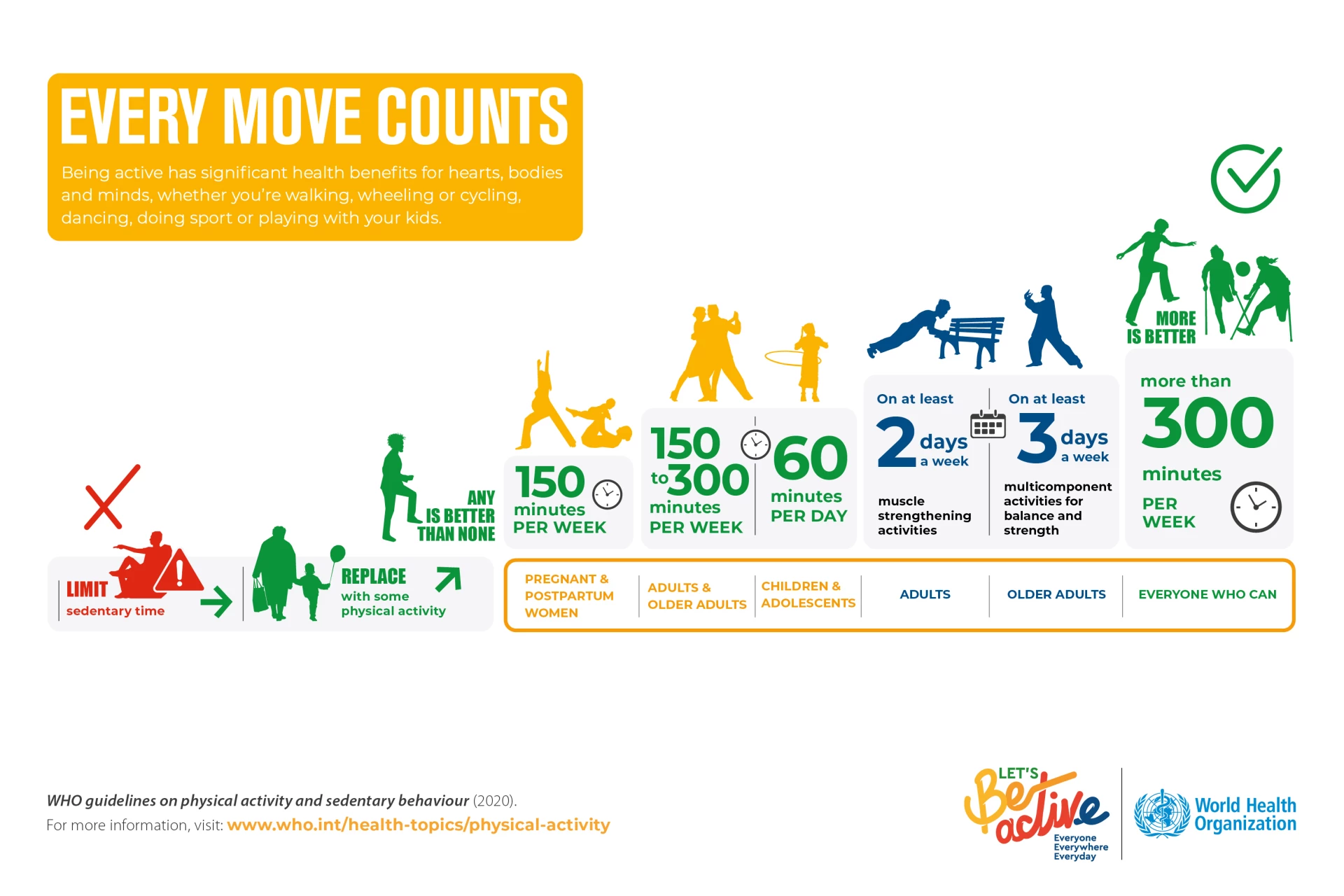
Physical activity and sedentary behavior each play independent roles in bone health: exercise cannot offset the damage of sitting. Even just replacing short periods of sitting with activity can have benefits. Relevant guidelines from the World Health Organization (WHO): children should be active for 60 minutes a day and adults should be active for 150-300 minutes a week, and reduce sitting for long periods of time, which is consistent with the strategy of maintaining ideal bone health.
Professor Nicholas Harvey, Chairman of IOF, and Eugene McCloskey, Chairman of the Scientific Advisory Board, noted: "The results emphasize the need for early intervention and continued promotion of physical activity among the population, in line with WHO recommendations. We call on governments, medical institutions, and policymakers to promote actions to effectively reduce people's sedentary life and promote the importance of healthy bones."
The review also pointed out some limitations: many studies relied on self-reported activity and sedentary time, which is slightly less accurate than wearable devices. Variables such as nutrition, weight, and gender were not controlled in all studies. Some of the evidence on the independent effects of sitting is not completely consistent, and there are few model studies that directly compare the substitution effects of sitting and activity.
Nonetheless, this review has practical implications for daily life and for all ages. Healthcare workers should routinely assess patients' physical activity and sedentary status and "prescribe" exercise as they would prescribe medication. Public health policies should create more environments that facilitate mobility, such as pedestrian-friendly neighborhoods, active schools, multi-purpose parks, and sports facilities.
Core point of view: Being active is good for bone health, while sitting for a long time is harmful. The two effects are independent. Even just a little more exercise every day can significantly protect bones and reduce the risk of fractures.