The head of Samsung Electronics’ semiconductor department recently made shocking remarks at an internal meeting: the full-year operating profit in 2026 will exceed the company’s total profits in the more than 40 years since it entered the semiconductor business. The memory chip super cycle driven by the AI boom is pushing the Korean giant to its historical peak.
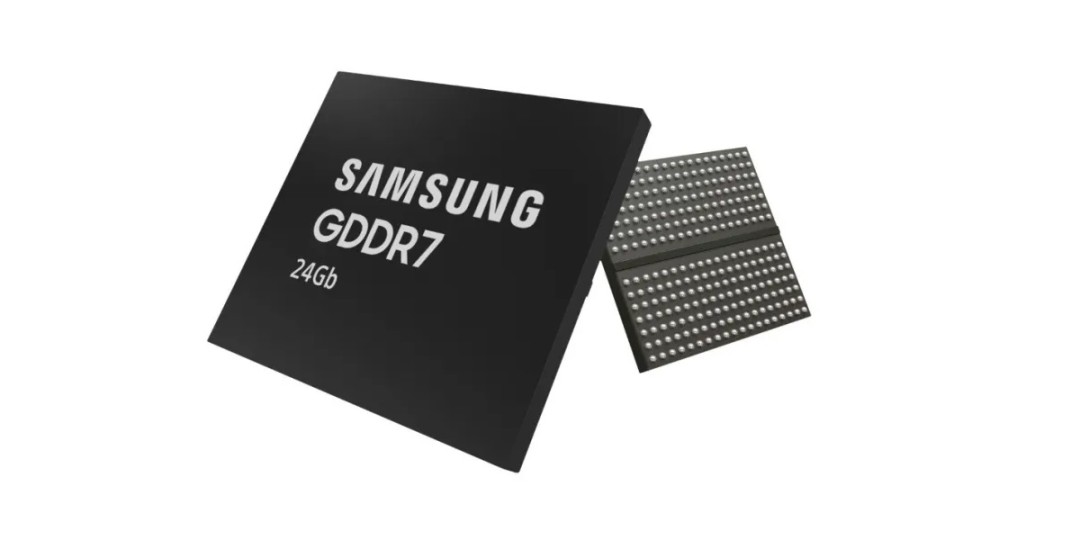
According to media reports, Kim Yong-kwan, president and head of strategy of Samsung Electronics’ Device Solutions Division, said at a plenary meeting on July 3 that this year’s operating profit will be in line with market expectations, adding that the total profit accumulated by the semiconductor business over the past 40 years is less than this year.
The market generally expects Samsung Electronics' full-year operating profit in 2026 to reach approximately 300 trillion won (approximately 1.59 trillion yuan). In the second quarter alone, market consensus predicts operating profit of 84.6 trillion won (approximately 448.4 billion yuan) - if achieved, it will surpass Nvidia's operating profit of US$53.5 billion in the first quarter and set a new single-quarter record for global technology companies.
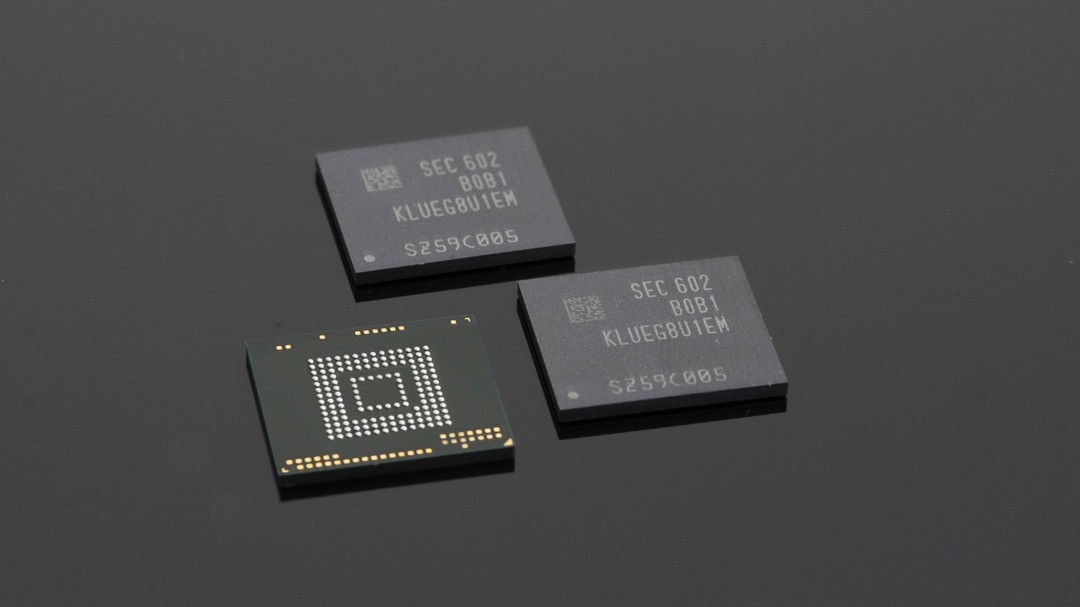
Other analysts pointed out that if one-time costs such as performance bonuses are taken into account, Samsung's actual operating profit in Q2 may exceed 100 trillion won for the first time, further widening the quarterly profit gap with giants such as Nvidia and Apple.
The core driver of the profit blowout is the continued surge in memory chip prices. Samsung has increased the average selling price of DRAM by approximately 90% and 50% to 60% in the first and second quarters of 2026, respectively, with the cumulative increase in the first half of the year approximately doubling.
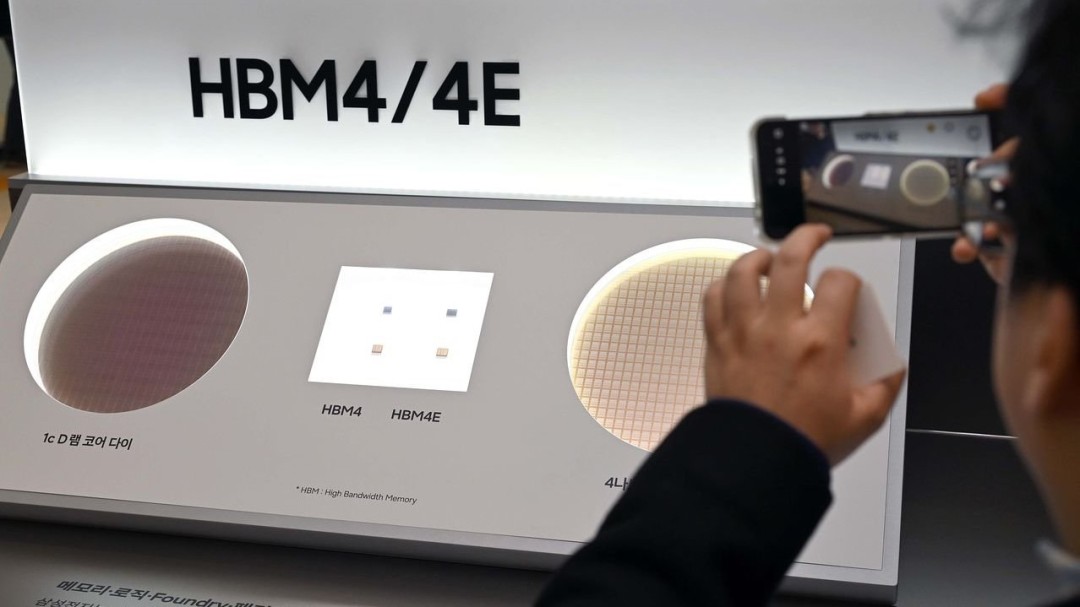
And the price increases have not stopped. It is reported that Samsung has verbally informed some customers that it plans to increase the average price of DRAM by another 20% in the third quarter, exceeding the market consensus of 13% to 18% increase. Samsung's high share of the standard DRAM market and aggressive pricing strategy have allowed it to increase prices faster than rival SK Hynix.
This memory chip super cycle ignited by AI is pushing Samsung to an unprecedented profit peak, but it is also bringing increasingly heavy cost pressure to the consumer electronics market.