A global study recently published in the journal Nature Communications revealed a serious situation that has been ignored for a long time:In many low-income communities in developing countries, burning plastic has transcended the traditional perception of "disposing of waste" and evolved into a common means of daily household energy. Millions of residents are forced to rely on burning plastic to make fires for cooking, heating, igniting fires and even repelling insects. The root causes are deep energy poverty, high clean fuel costs and ineffective garbage recycling systems.
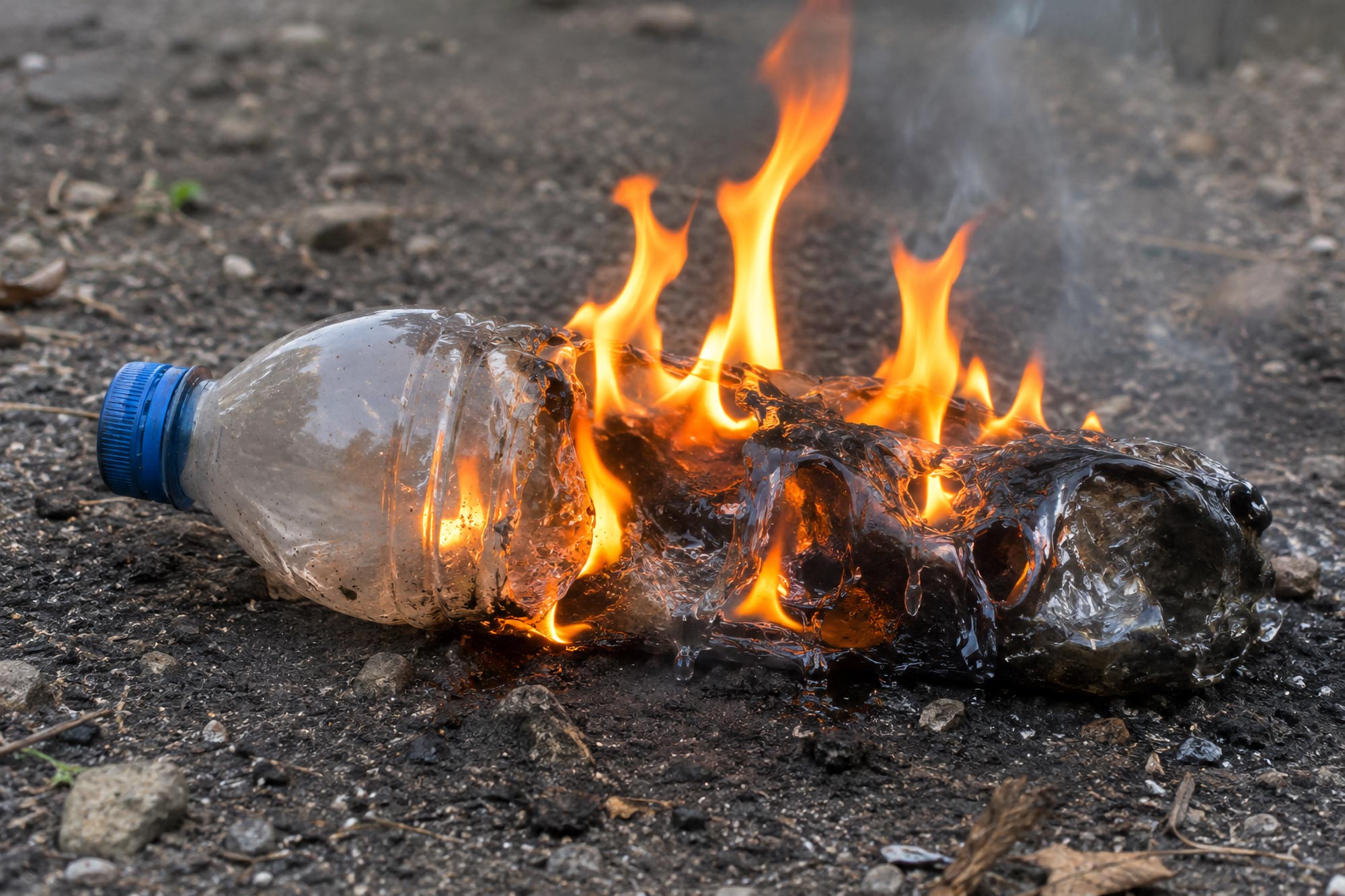
The research was led by the Institute for Energy Transition (CIET) at Curtin University in Australia. The researchers conducted an in-depth survey of more than 1,000 people from 26 countries who work closely with low-income urban communities - including academics, government officials and community leaders. The results showed that one-third of the respondents clearly stated that they knew of families burning plastic, and many had witnessed neighbors or community members doing so. Some even admitted that they had been forced to take such extreme measures.
The survey found that everything from plastic bags and food wrappers to various plastic bottles and packaging boxes are becoming fuel in household stoves. These plastic wastes are often ignited in the crudest "three-stone stoves", charcoal stoves or homemade burners, producing large amounts of toxic smoke that cannot be dissipated in crowded living environments. Statistics point out that women, children, the elderly and people with disabilities have become the most direct and vulnerable victims of this invisible health crisis because they spend the longest time at home.
Experts from Curtin University's Western Australian School of Mines have warned that burning mixed plastics and polyvinyl chloride (PVC) in daily life is extremely dangerous. As the third most common plastic incinerated, polyvinyl chloride releases extremely powerful toxic compounds—dioxins and furans—when burned. These pollutants not only persist in the environment for a long time, but also accumulate through the food chain, causing multiple serious harm to the human body, including cancer, reproductive system disorders, and immune system damage.
What’s even more worrying is that this toxic pollution isn’t limited to air inhalation. In the survey, up to 60% of the respondents believed that toxic chemicals produced by burning plastics are most likely directly contaminating local food and water sources. In previous scientific sampling conducted around plastic burning sites, experts have detected high concentrations of toxic compounds from the surrounding soil and eggs produced by poultry. When plastics are continuously ignited near cooking areas and residential areas, the toxins will settle on crops, seep into groundwater and accumulate in daily foods, triggering a new health crisis in vulnerable communities that already face multiple survival challenges.
Experts and scholars who participated in the study collectively called for the fact that in the face of this severe trend, which is expected to triple global plastic use in 2060, this chronic disease cannot be completely eradicated simply through preaching "warnings" and "dissuades". Because this behavior is not essentially out of ignorance, but driven by survival. The international community and local governments must face up to the underlying causes, focus their interventions on improving basic sanitation, providing affordable and clean energy for modern cooking, and work closely with local communities to develop alternatives that are consistent with their actual living standards. Only in this way can we truly save the lives and health of these most marginalized groups in the world.