The U.S. Central Command recently announced that the U.S. military has made a historic breakthrough in the field of unmanned combat. On July 12, 2026 local time, three "Corsair" unmanned surface craft deployed by the U.S. Fifth Fleet's "Task Force 59" successfully launched a synchronized attack on the Bandar Abbas Naval Base in Iran.
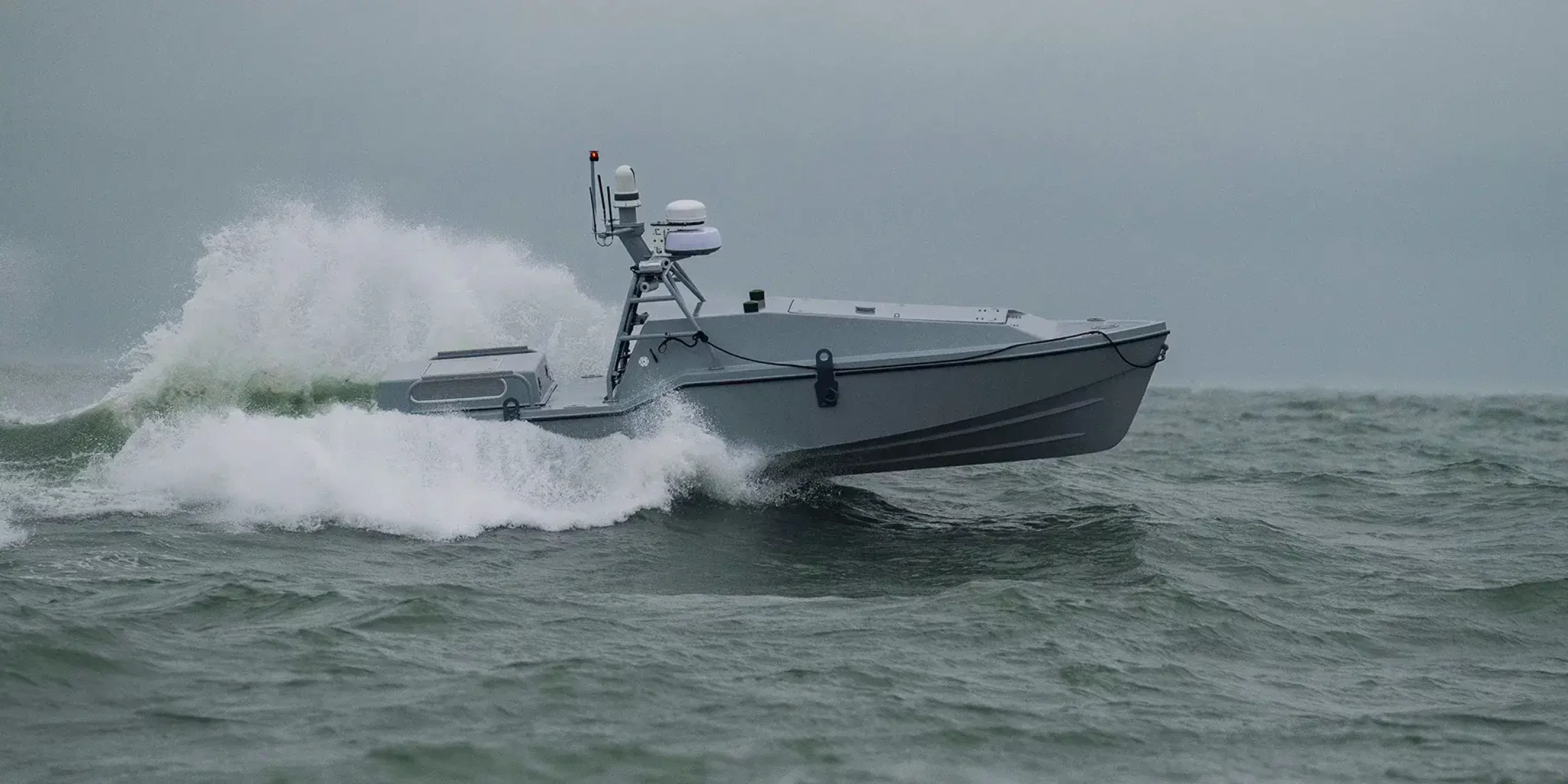
This mission marks the official transformation of the US military's "Task Force 59" from an early experimental reconnaissance unit to an actual combat force with active offensive capabilities. According to the Central Command, these three unmanned boats with composite hulls of approximately 7.3 meters in length sneaked into the Bandar Abbas Port Naval Base from different directions under the command of an autonomous control system. After successfully approaching a Ghadir-class pocket submarine parked in the port, the three unmanned boats detonated at the same time, accurately destroying the base's dock facilities used for ship and submarine maintenance.
This operation is regarded by military experts as a major change in the naval combat model. For a long time, the Iranian Navy has relied on its "swarm" combat theory, which uses high-speed boats carrying light anti-ship missiles, rocket launchers and mines to attack enemy ships through asymmetric combat methods. This operation of the US military cleverly "reversed" its tactics: the US military used unmanned boats with stealth characteristics, combined with military-grade artificial intelligence guidance systems and sensors, to achieve a direct attack on the enemy's tightly defended ports, and the entire process did not require sending personnel into high-risk areas.
This low-cost, high-precision autonomous combat mode not only demonstrates the rapid progress of the US military in the field of hybrid unmanned combat, but also highlights its determination to use advanced technology to perform high-risk missions. It is worth mentioning that just last month, the "Pirate" unmanned vessel of "Task Force 59" completed the first autonomous search and rescue mission in history, successfully rescuing two US Army Apache helicopter crew members who crashed into the sea near the coast of Oman. With the successful implementation of this attack mission, the strategic status of unmanned boats in future maritime wars is significantly rising.