As the Galaxy Unpacked conference on July 22 approaches, Samsung officials have officially launched the promotion of the new generation of Galaxy Watch, calling it the "next evolution" of the smart watch series. It is reported that this upcoming wearable device will be deeply integrated with artificial intelligence technology and aims to become an "always-on" health monitoring portal in users' daily lives.
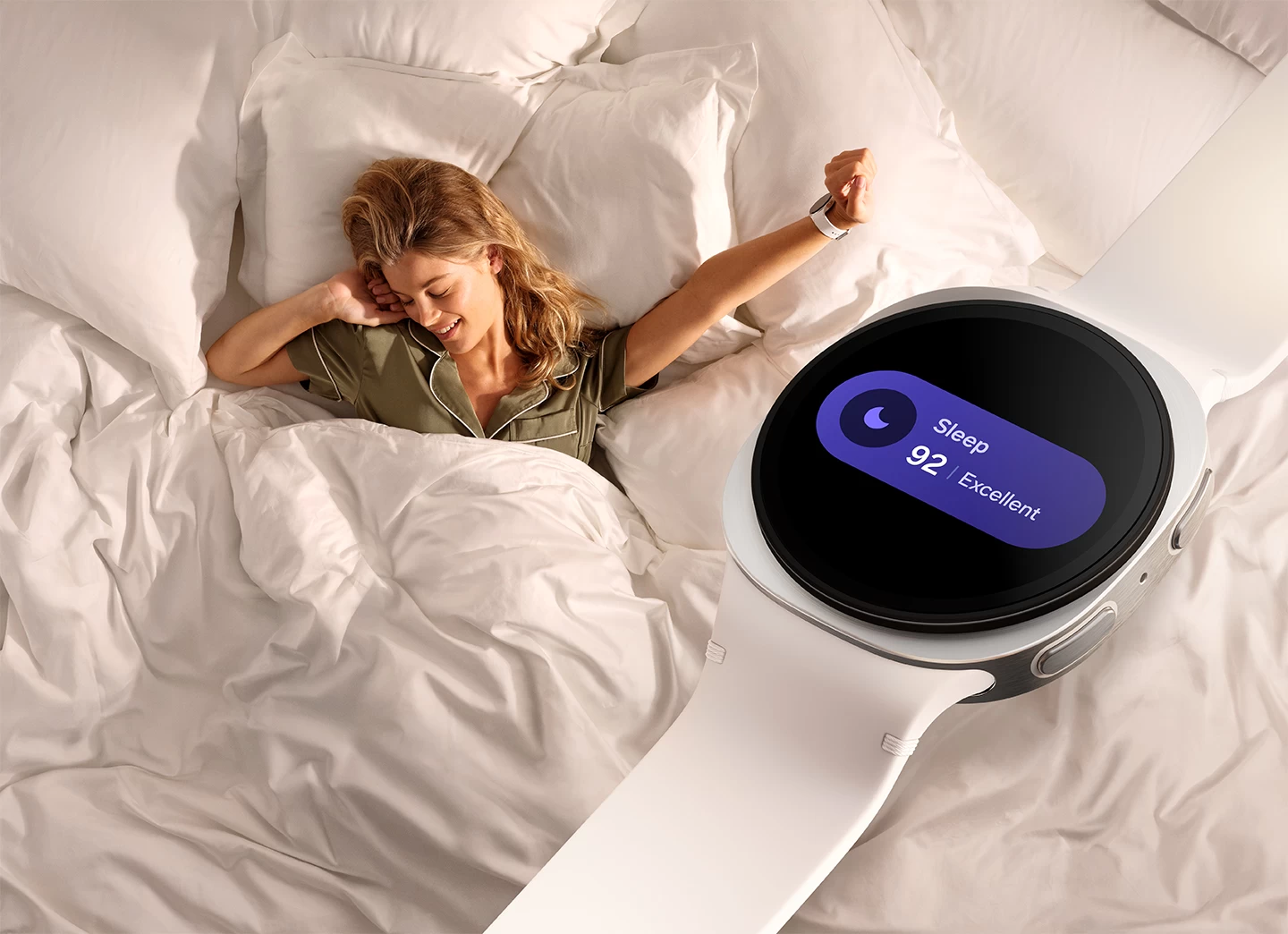
Samsung officials stated that as AI plays an increasingly important role in daily life, mobile devices have become the core entrance to unlocking its potential. The new generation of Galaxy Watch will focus on integrating seamlessly and intuitively into users' daily lives through intelligent means, providing comprehensive health support and personalized services.
Although Samsung has not yet clearly mentioned the specific model, based on previous leaks, the launch will include the standard version of Galaxy Watch 9 (available in 40mm and 44mm sizes) and the successor to the previous generation Galaxy Watch Ultra. In terms of hardware configuration, it is rumored that the 44mm version of Galaxy Watch 9 will be equipped with a 445mAh battery and a 480 x 480 pixel display; the 40mm version will use a 325mAh battery and a 438 x 438 pixel screen.
The high-end Watch Ultra 2 will use a solid titanium casing, a built-in ultra-large capacity battery of up to 800mAh, and the peak screen brightness will reach an astonishing 5,000 nits. It is worth noting that Samsung may abandon its own Exynos processor that it has been using this time and switch to the Snapdragon Wear Elite chip with a 3nm process. This is believed to be to better meet the demand for high performance (up to 12 TOPS computing power) of end-side AI processing.
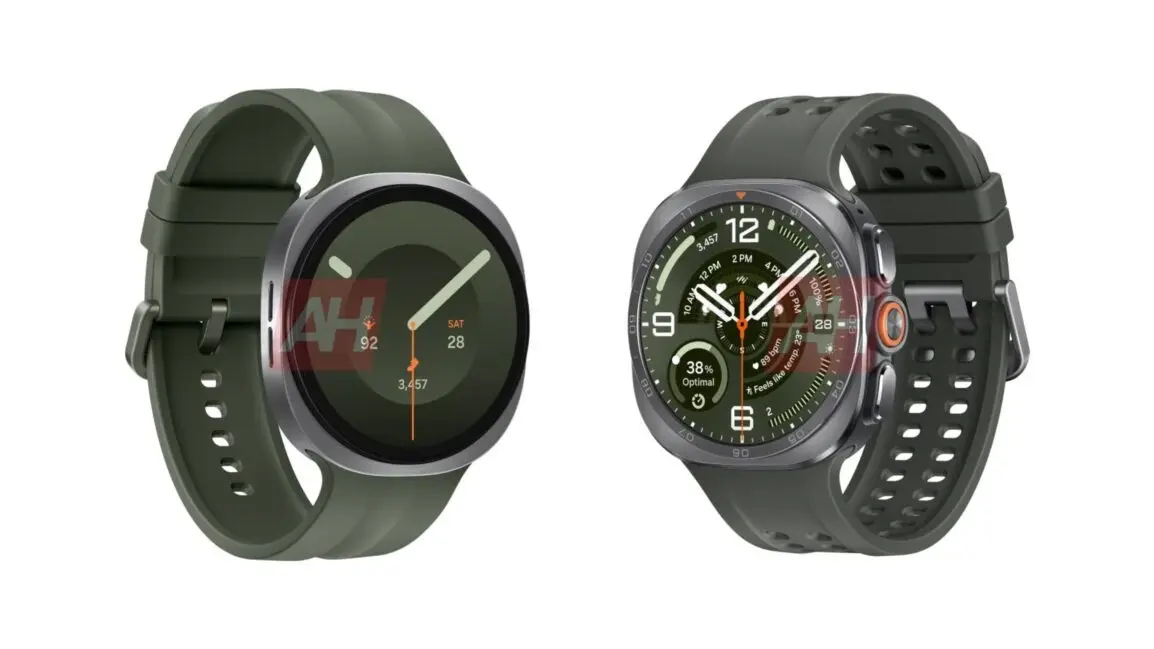
In terms of price, a recent leaked information shows that the 40mm Wi-Fi version of Galaxy Watch 9 is expected to be priced at 409 euros, the 44mm Wi-Fi version is priced at 439 euros, and the flagship Ultra 2 will be priced at 749 euros, an increase of 100 euros from the previous generation.
In addition, Samsung has recently issued a notice to users of its health application, requiring users to accept the new AI training terms and conditions, otherwise they will face the risk of deactivation of the cloud synchronization function and complete deletion of existing health data stored on the company's servers. The data covers highly sensitive personal information such as cycle tracking, medical records, clinical test results and prescription information, and Samsung made it clear that this information may be manually reviewed to evaluate the performance of the AI.